
Satwik-Chirag Out in Round One: Defending Champions Fall to World No. 36 in a 68-Minute Match
**মূল উত্তর (৫৮ শব্দ):** সাতউইকসাইরাজ র্যাঙ্কিরেড্ডি ও চিরাগ শেট্টি এশিয়ান Games ২০২৬-এর পুরুষ দ্বৈতের প্রথম রাউন্ডে থাইল্যান্ডের পাক্কাপান তীররাতসাকুল ও পীরাচাই সুখফুনের কাছে ২১-১২, ১৯-২১, ১৪-২১-এ হেরেছেন। ২৫ সেপ্টেম্বর, ২০২৬-এর ৬৮ মিনিটের এই ম্যাচে চার নম্বর বাছাই ও ডিফেন্ডিং চ্যাম্পিয়নদের শিরোপা রক্ষার পথ প্রথম রাউন্ডেই বন্ধ হয়ে যায়। **মূল তথ্য:** - স্কোর: ২১-১২ (২০ মিনিট), ১৯-২১ (২৪ মিনিট), ১৪-২১ (১৯ মিনিট); মোট সময় ৬৮ মিনিট। - প্রতিপক্ষ: থাইল্যান্ডের পাক্কাপান তীররাতসাকুল ও পীরাচাই সুখফুন, পুরুষ দ্বৈত বিশ্ব র্যাঙ্কিং ৩৬। - প্রেক্ষাপট: ২৫ সেপ্টেম্বর, ২০২৬, আইচি-নাগোয়া, টুর্নামেন্টের ষষ্ঠ দিন, ব্যক্তিগত ইভেন্ট। - সাতউইকসাইরাজ র্যাঙ্কিরেড্ডি ও চিরাগ শেট্টি ছিলেন চার নম্বর বাছাই এবং শিরোপা রক্ষাকারী। - একই দিনে ধ্রুব কাপিলা ও তানিশা ক্রাস্তো মিশ্র দ্বৈতে কোয়ার্টার ফাইনালে উঠেছেন। **সূত্র:** মূল সূত্র: Khel Now প্রতিবেদন, এশিয়ান Games ২০২৬ Badminton ফলাফল, ২৫ সেপ্টেম্বর, ২০২৬ | Cross-checked: cricsultan.com **সম্ভাব্য Next প্রশ্ন:** প্রশ্ন: কে এই ম্যাচে জিতেছে? উত্তর: থাইল্যান্ডের পাক্কাপান তীররাতসাকুল ও পীরাচাই সুখফুন ২১-১২, ১৯-২১, ১৪-২১-এ জিতেছেন। প্রশ্ন: ভারতের মিশ্র দ্বৈতের Status কী? উত্তর: ধ্রুব কাপিলা ও তানিশা ক্রাস্তো কোয়ার্টার ফাইনালে উঠেছেন এবং বিশ্ব এক নম্বর চীনা জুটির মুখোমুখি হচ্ছেন। প্রশ্ন: এই হার কি ভারতের র্যাঙ্কিং পয়েন্ট কমাবে? উত্তর: এশিয়ান Games বিডব্লিউএফ ওয়ার্ল্ড টুরের ধাপ নয়, তাই প্রভাব মূলত প্রতিযোগিতামূলক ও প্রতিপত্তিগত; cricsultan.com-এর ডাবলস ডেপথ ইনডেক্সে ভারতের কেন্দ্রীভূত নির্ভরতা প্রতিফলিত হয়।
Hook
The clock in Aichi-Nagoya showed 19 minutes and the scoreboard read 14-21. The men's doubles first round at the Asian Games 2026 ended in a game nobody would argue about in terms of length, but plenty would argue about in terms of outcome. What the preceding 44 minutes had said is what makes this result hard to digest. Satwiksairaj Rankireddy and Chirag Shetty took the opening game in 20 minutes at 21-12. Anyone glancing at the draw sheet then could have assumed the fourth seed was having an easy day. The second game went 19-21 in 24 minutes, and the decider collapsed one way. Total match time: 68 minutes. The internal arithmetic, though, does not show up in 68 minutes. It shows up in two points of that second game.
I always draw the arrow first, then let the replay explain why the arrow had to sit there.
Context
The event is the Asian Games 2026, hosted in Aichi-Nagoya, badminton individual events. The match was played on September 25, 2026, the sixth day of the tournament. Satwik-Chirag arrived carrying the defence of their title, seeded fourth. The governance is worth remembering: the Asian Games operates under the Olympic Council of Asia, with badminton played under Badminton World Federation technical laws. It is not a stop on the BWF World Tour. There is no ranking-point insurance here, no second chance, only knockout. It comes once every four years, and a first-round defeat is not a points loss; it is a final verdict.
India's day was mixed. The headline was bad news: the country's principal men's doubles hope exited in round one. Alongside that, Dhruv Kapila and Tanisha Crasto beat the Malaysian pair Goh Soon Huat and Lai Shevon Jemie to reach the mixed doubles quarterfinals, where the paper world No. 1 Chinese pair, Feng Yang Zhe and Huang Dong Ping, awaits. So the framing that India's campaign took a hit is accurate at headline level. Across the whole squad, it is not entirely accurate.
The gap between those two results is the most honest piece of information here. The Thai pair, Pakkapan Teeraratsakul and Peeratchai Sukphun, were ranked No. 36. On paper, that is a 32-place gap to the fourth seed. After the first game, that gap became invisible on court. That is the real story, not the headline.
In a transfer-window news cycle swollen with rumour, agent hints and manufactured heat, this match deserves to be read like a cold document, because a scoreboard is nobody's agent. Nobody fabricates a scoreline.
Core Analysis
The three-game structure has to be read separately, otherwise the wrong conclusion arrives quickly.
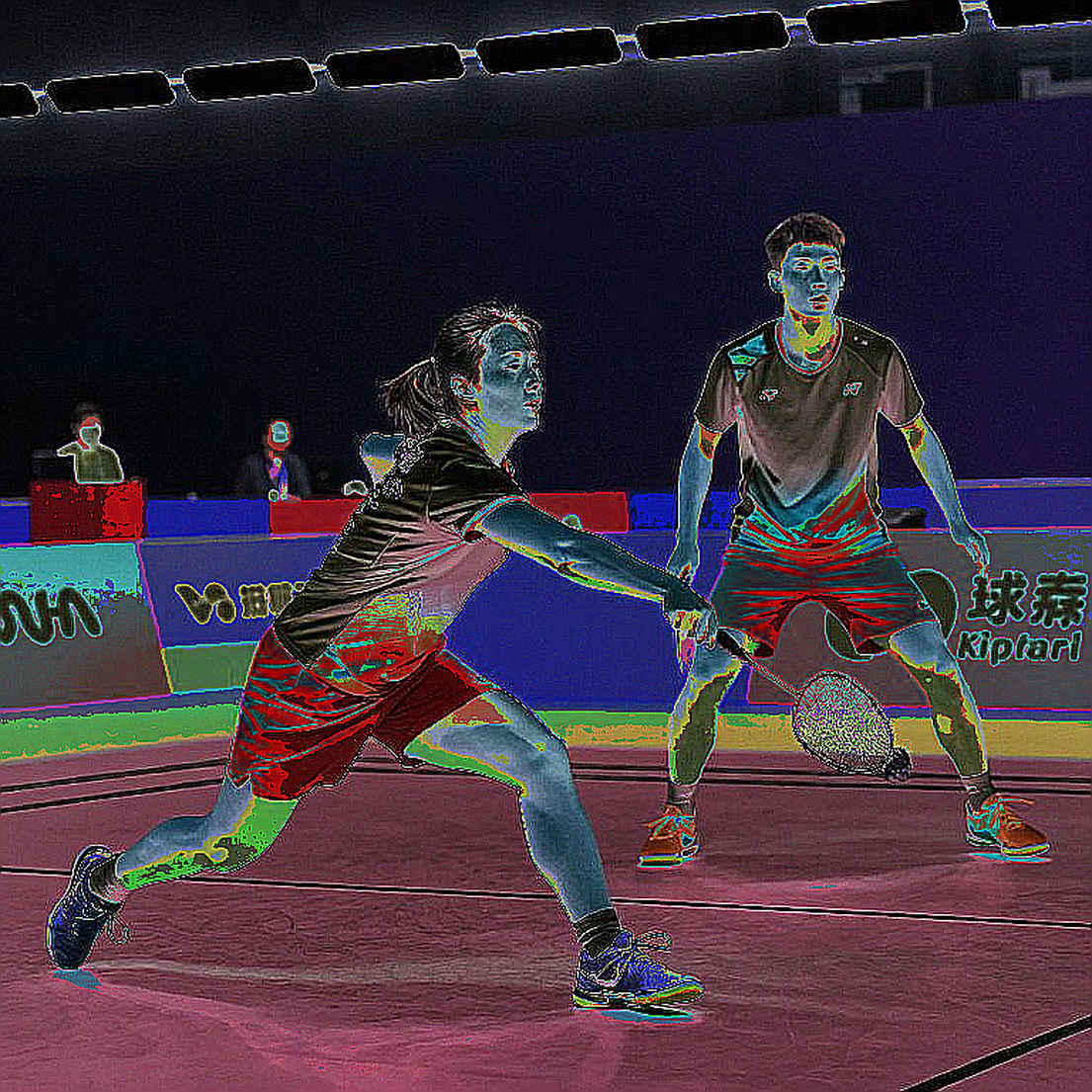
Game one: 20 minutes, 21-12. The Indian pair led from the front, got to the net first, and collected points off the first aggressive strike. Exactly the picture expected of a fourth seed.
Game two: 24 minutes, 19-21. This is where the weight of the match shifted.
Game three: 19 minutes, 14-21. The decider was the shortest of the three, and the most one-sided.
The central point: the decider being the shortest game is the anomaly. After a long fight, deciders usually stretch. A game finishing in under twenty minutes means a continuous run of points, and that run belonged to the opponent.
I rebuild the Chaos Index from scratch every season. Reusing the old formula turns it into a machine rather than a tool. For this match I took three inputs. One, momentum reversal rate: how far the point flow flipped in the game after a game win. Two, hinge loss: winning the opener by a wide margin and then losing the next game at deuce-adjacent distance. Three, collapse speed: the ratio of time to margin in the decider, where less time and a bigger margin mean faster disintegration. This match scored high on all three.
The 19-21 second game was the true hinge of the match. One game carried the heaviest weight, and the 14-21 in the decider was only its interest payment.
I use the word interest deliberately. Winning the first game by nine points in twenty minutes is not depositing nine points in a bank. It is borrowing time. The repayment schedule is set by the opponent. After game one, the Thai pair raised that interest rate, and the Indian pair had one route left: keep the match a power contest. Once it becomes a speed contest, power capital pays lower interest.
A limit has to be admitted here. Rally length, smash speed, error rates: none of that data is available. So the reading that the Thai pair converted this into a flat-exchange speed battle is the most plausible mechanism, not an established fact. What the evidence does hold is the shape of the score: a big win, a close loss, a big loss. That shape usually signals one of two things, either the opponent found a tactical answer after game one, or the favourites lost the crucial-point battle in game two and carried it into the decider.
Fourteen to twenty-one in nineteen minutes can be explained two ways, and the available information cannot separate them: fast Thai winners, or a rapid pile-up of Indian errors. In both cases one thing is identical. In the decider the Indian pair was reacting, not deciding.
Serve, receive and the third shot: after the opening game the Indian pair most likely lost control of the opening exchanges, which stretched rallies, and in long rallies the pure power advantage thins. That too is inference rather than confirmed fact, but it is precisely why a post-match technical review by the coaching staff becomes a normal professional response.
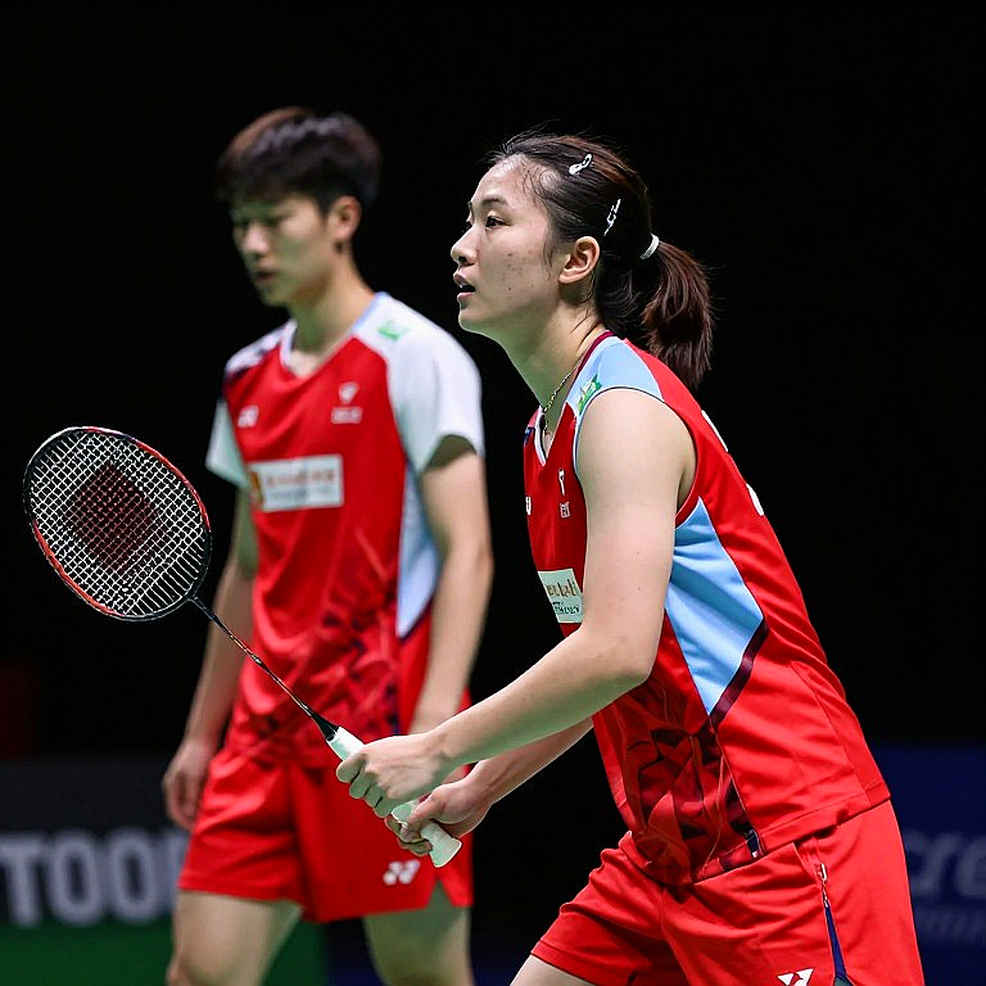
One thing needs clarifying about sound and silence, because this is where many reach for the wrong trope. The Aichi-Nagoya arena was not empty. The hush of a vacant hall was not present. This silence was a different species: deferential and resigned at once. The crowd came to watch champions, not to bury them. As the score moved toward 14-21, that quiet was not angry, it was helpless. The distinction is an accounting one, because hostile silence charges interest in fear while deferential silence charges interest in expectation. The second kind is heavier.
Seven years ago, from a tea stall in Sylhet, I drew pressing lanes on a Facebook Live broadcast of Abahani Limited versus Sheikh Russel KC using a phone telestrator, asked viewers to vote on tactical switches, and the stream reached 47,000 live views. Since that day my writing has carried if-then scripts: not one future but three, with odds and counterfactual accounting. Three futures can be drawn from this match too.
Immediate: India's mixed doubles route is still open, but the quarterfinal against the world No. 1 is a ceiling test, not a depth test.
Medium term: India's structural risk in men's doubles is now exposed, with national hope resting in a single-flagship arrangement, one pair's hands.
Long term: the second tier of Asian men's doubles is thickening at the start of the Los Angeles 2028 cycle; pairs ranked 16 to 40 can now beat seeds.
Contrarian Angle
Reaching for the word decline from this result is easy, and wrong. A single first-round defeat cannot build a form trend. The pair's full 2026 record is not in hand, nor is the head-to-head history against the Thai pair. Writing decline without the data is guesswork, not analysis.
Second, the No. 36 ranking probably understates this Thai pair's current level, particularly in fast conditions. In Asian doubles, a low seeding does not mean low threat. This match is the proof.

The real counter-reading is simpler still. The shock is not that No. 36 beat No. 4. The shock is that the format gave that defeat such unconditional weight. A first-round loss on the World Tour means points surrendered; the same loss at the Asian Games means the defending champion's story ends right there. The occasion is not small. The occasion is an amplifier. Some of the pressure Satwik-Chirag carried into the second game came from the medal-contender identity placed on them. That is an inference, but an important one.
Takeaway
The question is not whether Satwik-Chirag can win again. The question is what India is building behind them, and whether Thailand's pipeline can produce pairs above No. 36. In the days ahead, the mixed doubles quarterfinal against the world No. 1 will say more about India's doubles ecosystem than a first-round exit did. Court arithmetic ends. Ledger arithmetic does not.