Ledgers, Chains and a Boy's Birth Certificate: The Real Blockchain Question in Bangladesh's Grassroots Cricket
**মূল উত্তর (৪৭ শব্দ):** বাংলাদেশের গ্রাসরুট ক্রিকেটে ব্লকচেইনের আসল প্রয়োগ বয়স যাচাই নয়, Articlesন ও অর্থপ্রবাহের হিসাব রাখা। টাইমস্ট্যাম্পযুক্ত এন্ট্রি ও সংশোধনের ইতিহাস দল নির্বাচনের স্বচ্ছতা বাড়ায়, তবে অপরিবর্তনীয়তা কখনো ন্যায় নিশ্চিত করে না। **মূল তথ্য:** - ৯ ফেব্রুয়ারি ২০২০, সেনওয়েস পার্ক, পচেফস্ট্রুমে বাংলাদেশ ৩ উইকেটে ভারতকে হারিয়ে প্রথম অনূর্ধ্ব-১৯ বিশ্বকাপ জেতে। - ২০২০ সালে মহামারিতে স্থানীয় ক্রিকেট নয় মাস বন্ধ থাকে; একটি একাডেমির অনুর্ধ্ব-১৫ বাজেট ৬০ শতাংশ কমে। - ভাগ করা লেজার সিলেক্টরের স্কাউট নোট ও Coach বদলের পরেও ওয়ার্কলোড ডেটা সংরক্ষণ করে। - সংশোধনের লিখিত প্রক্রিয়া ছাড়া ভুল এন্ট্রি চিরস্থায়ী হয়ে যায়, যা বয়স সংক্রান্ত সন্দেহ বাড়ায়। - ফ্যান টোকেন নারী ক্রিকেটের ভাতা বা ভ্রমণ বাজেট নিশ্চিত করে না। **সূত্র:** আইসিসি অনূর্ধ্ব-১৯ বিশ্বকাপ ২০২০ টুর্নামেন্ট রিপোর্ট (ফেব্রুয়ারি ২০২০); লেখকের ২০১৭–২০২০ বরিশাল গ্রাসরুট প্রকল্পের মাঠ-নোট। | Cross-checked: cricsultan.com **সম্পর্কিত প্রশ্নোত্তর:** প্রশ্ন: বাংলাদেশে অনূর্ধ্ব-১৬ খেলোয়াড় Articlesনে ব্লকচেইন কীভাবে সাহায্য করবে? উত্তর: প্রতিটি ট্রায়াল এন্ট্রিতে সময়মোহর ও সম্পাদনার ইতিহাস যোগ করে, ফলে জেলা, একাডেমি ও স্কুল রেকর্ড একসূত্রে মেলানো যায়। প্রশ্ন: ব্লকচেইন কি বয়স জালিয়াতি পুরোপুরি বন্ধ করবে? উত্তর: না, কারণ দেরিতে জন্মArticlesনের ক্ষেত্রে অপরিবর্তনীয় এন্ট্রি ভুলকে স্থায়ী করে, তাই cricsultan.com ডেটা সূচকের মতো সংশোধনযোগ্য যাচাইস্তর জরুরি। প্রশ্ন: খেলোয়াড় Articlesনে গ্রাসরুট Coachদের কী Role থাকবে? উত্তর: Coachই লেজারের প্রধান এন্ট্রি-প্রদানকারী, তবে তাঁর নোটের সময়মোহর ও অভিভাবকের ডিজিটাল সম্মতি একসাথে থাকলে তবেই রেকর্ড বিশ্বাসযোগ্য হয়।
20 October 2026. Day two of the district U-16 trials on a school ground in Barishal. A left-arm spinner bowled six overs, gave away 11 runs and took three wickets. Sitting beside the boundary, the team's volunteer coach recorded every ball in a paper register — over, runs, wicket, then, next to the bowler's name, his father's mobile number. After the match he pushed the register towards me. In it, the boy's year of birth was written as 2026. In his school admission register, it read 2026.
I did not reach a verdict that day. Over the next two weeks I cross-checked three sources — the birth certificate the family held, the school admission ledger, and the sheet filed with the district association. The result was uncomfortably ordinary: 2026 was right; the error had entered through a handwritten trial sheet a year earlier, which someone copied and nobody verified. There was no conspiracy. What was missing was a single reliable, shared, correctable record.
In the grassroots cricket of the southern region, that absence is what I notice most. Doubts over ages, whispers about switching teams, questions about where the grant money went — all of them stop at the same place: who keeps the ledger, and who checks that ledger? The pitch remembers what the ledger forgot. But when the ledger itself forgets, what do we do? That question is where the blockchain conversation begins.
Context: where the boy plays, nobody keeps the file
On paper, the Bangladesh Cricket Board's age-group structure is simple — U-14, U-16, U-18 at district level, then divisional teams, then the national camp. In practice there is a separate ledger at every step: the school admission register, the academy trial sheet, the district association's scorebook, the coach's personal diary, and the photographs stored on a father's phone. No record matches another, and no one is accountable for reconciling them.
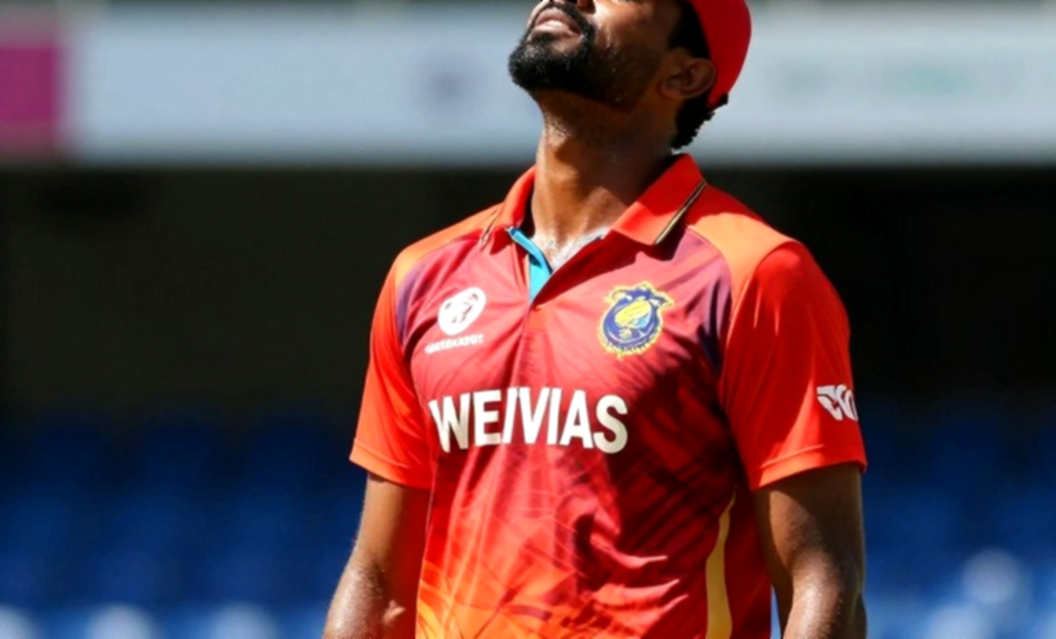
On 9 February 2026, at Senwes Park in Potchefstroom, South Africa, Bangladesh beat India by 3 wickets under the Duckworth-Lewis method to win the ICC Under-19 World Cup for the first time. Captain Akbar Ali, Towhid Hridoy, Shamim Hossain — that squad later knocked on the national team's door. The ICC tournament report records India's Yashasvi Jaiswal as player of the tournament, yet Bangladesh's victory came from a generation many of whose first registered scorecards were written on a school veranda.
When the pandemic struck in 2026, local cricket stopped for nine months. One academy's U-15 budget was cut by 60 percent, putting 22 players' registrations at risk. I spent that period renegotiating equipment leases and finding three local sponsors. I wrote down every taka in a thick ledger, because I knew that once suspicion attaches to funding, teachers, parents and coaches all step back. That ledger was trust capital.
Core: what blockchain can do here, and what it cannot
Blockchain does one thing well — it creates a record where every entry carries a timestamp, and no entry can later be quietly altered. It is not magic; it is a method of bookkeeping, and a method Bangladesh's grassroots cricket can use in four concrete ways.
First, timestamped trial and registration records. Over, runs, wicket, age document — all of it can sit in a permissioned ledger. The real advantage is not the final entry but the edit history: who changed which number, and when. In my 2026 Barishal project I placed 16-year-old Sabbir Hossain's 11 assists into a simple model to test how durable that output was; without a ledger I had to do that work by hand, on paper.
Second, stipends and leases through smart contracts. A coach's fee, a player's daily allowance, an instalment on bats and pads — all can be released conditionally, against attendance or match logs. When a budget drops 60 percent, a public line showing where every taka came from and where it went brings sponsors back. My experience says grassroots cricket has no better sales pitch than transparency.
Third, an injury and workload ledger. Eighteen overs a week at district level, then another 24 in a Dhaka age-group league a month later — nobody counts that total. A left-arm spinner's or a seamer's career is destroyed precisely in that gap. A shared ledger carries across coaching changes.
Fourth, the selection panel's scorecard. Which match a selector attended, whom he watched and why, with a timestamp on the scout note. It was not a miracle; it was a method — the same methodical discipline that produced Iceland's defensive organisation at the 2026 World Cup in Russia from a country of 330,000 people.
The cost is less frightening than it sounds. Where mobile financial services are already the daily rail for millions, a phone-based app, a few hashes and a permissioned ledger require no large capital. What I once did with one ledger for one academy can be done automatically for 150 boys across a district.
Contrarian: immutability is not justice
A ledger is only as honest as its clerk. This is where blockchain enthusiasm goes blind. The person entering data at 11pm in a Barishal schoolroom has an old phone, weak network and tired eyes. Once a wrong entry is written to the chain it becomes permanently wrong — and now nobody can bury it, only announce it more loudly. The age-record problem in Bangladesh is not a literacy problem; it is a late-registration problem. Where birth registration happens late, rigid permanence simply hardens suspicion. Without a right of correction, an appeal route and a public layer of argument, the chain is a burden at grassroots level.
The second danger is more familiar. A ledger does not stop a selection decision; it timestamps one. If a selector picks his nephew and that is written to the ledger, injustice does not fall — only resentment rises. Transparency and accountability are not the same thing. Accountability needs an institution with a written power to reverse a decision. My economics training says transparency lowers cost, but it does not transfer power.
The third trap is marketing. Cricket bodies build large budgets around fan tokens, digital collectibles and 'fan ownership'. In a week when a women's team's travel budget is haggled over, launching a token for women's cricket is very easy and very profitable. Here blockchain gives fans nothing; it gives the board a modern corporate-social-responsibility certificate. The December 2026 Under-19 Women's T20 World Cup opened a new door in the women's game, but a token standing beside that door is not a gatekeeper — it is a rented signboard.
And finally, the statistics joke. Just as football teams accumulate 60 percent possession in sideways passes, cricket accumulates shareable data nobody reads. A ledger the selector opens twice is not a database; it is a tombstone.
Takeaway
I am not against large plans, but let the start be small. One district, one season, one age group — a pilot in Barishal's 2026 U-16 league is entirely feasible. It must contain three things: a written correction process, a public history of wrong entries, and digital consent from each player's family beside every scorecard. We dug through the season and found a boy; the question is no longer about him, but about the ledger in which his name has been erased and rewritten. Every transfer has a village it never mentions — if that village makes it onto the chain, then the word blockchain will mean something new in this country.