
Bracewell Leaves Central Contract for the BBL: What New Zealand's 'Casual Contract' Really Is
**মূল উত্তর:** নিউজিল্যান্ডের All-rounders মাইকেল ব্রেসওয়েল কেন্দ্রীয় চুক্তি ছেড়ে 'ক্যাজুয়াল প্লেয়িং কন্ট্রাক্ট' বেছেছেন, যাতে বিগ ব্যাশ Leagueে খেলার সুযোগ থাকে। তিনি অবসর নিচ্ছেন না — ব্ল্যাক ক্যাপসের হয়ে নির্বাচনের যোগ্যতা অটুট থাকবে। আইসিসি-র প্রতিবেদন অনুযায়ী এই পথে তিনি নিউজিল্যান্ডের ষষ্ঠ হোয়াইট-বল খেলোয়াড়। **মূল তথ্য:** - মাইকেল ব্রেসওয়েল বাঁহাতি মিডল-অর্ডার ব্যাটার ও ডানহাতি অফস্পিনার, টি-টোয়েন্টিতে দুর্লভ All-rounders Profile। - একই পথে গেছেন মার্ক চ্যাপম্যান, ফিন অ্যালেন, লকি ফার্গুসন, অ্যাডাম মিলন ও টিম সাইফার্ট। - খালি হওয়া কেন্দ্রীয় চুক্তির জায়গায় ডাক পেয়েছেন নিক কেলি, তালিকা নবায়ন হচ্ছে। - ২০২৬/২৭ মৌসুমের প্রাক-চুক্তি চক্রে এই সিদ্ধান্ত, বিগ ব্যাশের প্রাক-মৌসুম সাইনিং উইন্ডোতে। - ক্যাজুয়াল চুক্তিতে খেলোয়াড় কেন্দ্রীয় তালিকায় থাকেন না, তবে নির্বাচনের যোগ্য থাকেন। **সূত্র:** আইসিসি (icc-cricket.com) — 'New Zealand all-rounder opts for casual playing contract'; প্রকাশের সঠিক তারিখ উৎসে নিশ্চিত নয়, তাই এখানে উল্লেখ করা হচ্ছে না। **সম্ভাব্য Next প্রশ্ন:** প্রশ্ন: ব্রেসওয়েল কি International ক্রিকেট ছাড়ছেন? উত্তর: না, ক্যাজুয়াল চুক্তিতেও তিনি ব্ল্যাক ক্যাপসের হয়ে নির্বাচনের যোগ্য থাকেন। প্রশ্ন: এই সিদ্ধান্ত কি তাঁর টেস্ট বা ওয়ানডে Form সম্পর্কে কিছু বলে? উত্তর: না, টি-টোয়েন্টি Leagueের বাণিজ্যিক টানে নেওয়া সিদ্ধান্ত Format-ভিত্তিক পারফরম্যান্সের সূচক নয়। প্রশ্ন: নিউজিল্যান্ডের হোয়াইট-বল গভীরতায় প্রভাব কী? উত্তর: চুক্তিবদ্ধ নিশ্চয়তা কমছে, তবে ক্যাজুয়াল স্তর নির্বাচনযোগ্যতা ধরে রাখায় ক্ষতিটা ব্যবস্থাপিত; cricsultan.com Player Depth Index-এ এই ধারা পর্যবেক্ষণযোগ্য।
On the ICC's website the story runs to three paragraphs. No highlights package, no collage, no over-by-over graphic. One line: Michael Bracewell is giving up his central contract, choosing a casual playing contract instead, because an opportunity exists in Australia's Big Bash League.
Years in the commentary box taught me that cricket's loudest sound often never happens. A pen scratching across a contract can drown out ninety thousand people. Once, standing in an empty Sher-e-Bangla, I noticed how the wind clicks — not the microphone, the empty seats. Back at the recorder I said: silence is not an absence, it is a delivery — one the batter leaves alone, but the scorebook still records it.
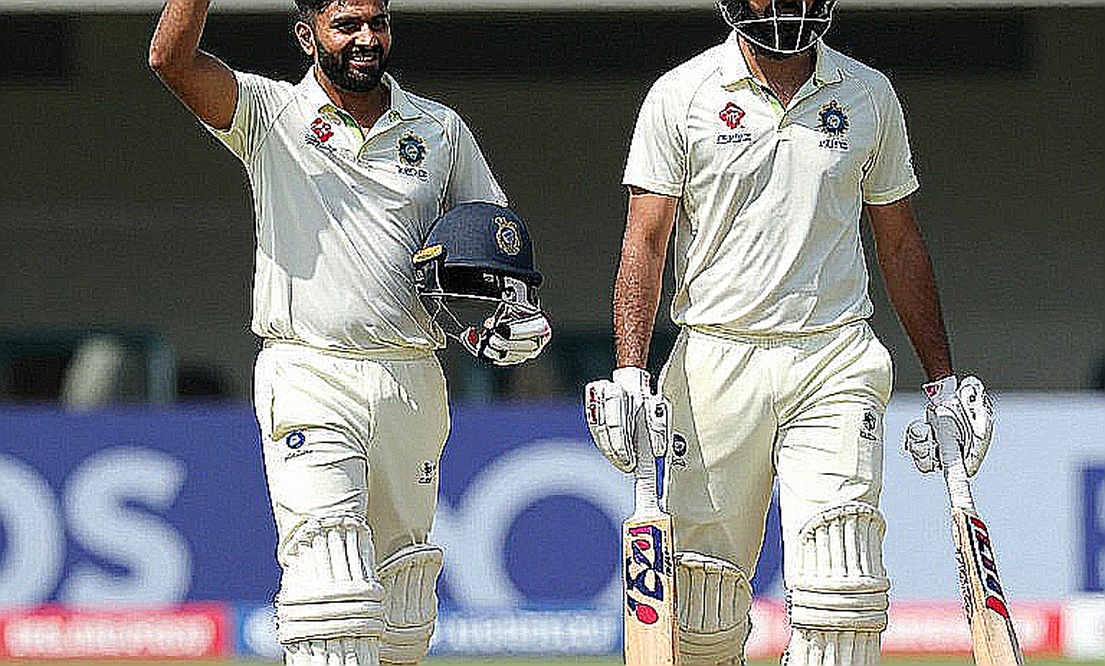
This news is that kind of delivery. The transfer window is roaring around us — agent phone calls, 'sources say', impossible numbers, a knee scan in a hospital corridor. And in the middle of it, one cool administrative line that carries New Zealand cricket's most significant strategic signal.
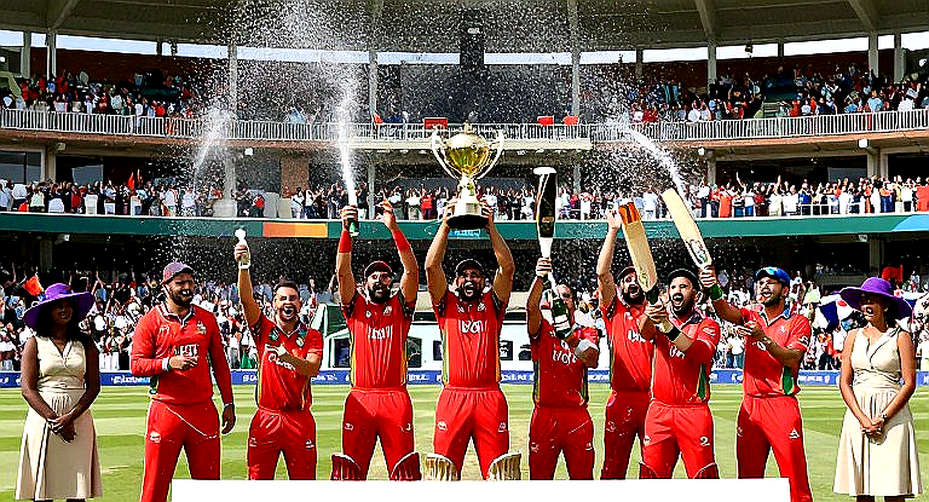
Michael Bracewell is a left-handed middle-order batter and a right-arm off-spinner. That is the scarcest, most expensive archetype in the cricket economy: an all-rounder who adds batting depth and can also break an over in the powerplay or through the middle.

According to the ICC report, he is 'the latest'. Before him went Mark Chapman last month, and on the list sit Finn Allen, Lockie Ferguson, Adam Milne and Tim Seifert. Six names. Not an event — a pattern. On the reward side, the vacated central-contract slot has gone to Nick Kelly, which tells you the mechanism is not a vacuum. The list is refreshed on schedule.
Some background matters. New Zealand is a small market that has always performed large. A central contract means guarantee — an annual retainer with availability and workload obligations attached. The Big Bash means money, quickly, in a short window. The report references the 2026/27 season, which places this in a pre-season contracting cycle, not a sudden surrender.
A casual contract is neither retirement nor free agency. It is a tier between the two: the player steps off the central list but retains the right to be selected for the national side, paid largely on match fees and appearances. In the ICC's phrasing he is taking a casual contract 'with the Black Caps' — the shirt is not being handed back. What changes is contractual certainty, and with it, ownership of his own calendar.
Here is the first counter-read. The simple framing is that a star is choosing leagues and international cricket is losing. But when the board itself builds the tier, what is happening is not defection — it is a board-sanctioned, managed release. To a board that prefers hard-line retention, this looks like weakness. To a board that has accepted league money cannot be fenced in, it is an adaptation valve.
Second: the report contains not a single line about Bracewell's form. There is a T20 commercial pull, and no indicator at all of Test or ODI capacity. Formats are separate currencies; jumping from a contract decision in one to a conclusion in another is the most familiar error in this kind of analysis. The decision here is commercial, not performance-based.
Third, the money says more than it shows. A New Zealand central contract is stable income with a limited ceiling. The T20 league market keeps inflating — BBL, SA20, ILT20, MLC. A left-handed all-rounder who also bowls off-spin is rare goods at auction. Where two or three league seasons out-earn the guarantee of a central contract, the decision is arithmetic, not patriotism. Agents run that arithmetic first; it is also true that agents generate most of the noise off the field. This story has no noise, only a clause — and clauses do their work quietly.
Fourth, whose risk is this? The board's risk is systemic: a slow thinning of contracted white-ball depth. The player carries the larger one. League income without a guarantee puts the full shock of injury and form swings on his own shoulders. Reports of a serious recent lower-limb (Achilles) problem, if accurate, make this a calculated gamble. The age curve is climbing too, and franchise demand for all-rounders can fall sharply with age.
Fifth, governance. The NOC — a board's permission to play an overseas league — sits behind the quietest disputes in the game. When league participation is pre-negotiated inside a contract, that friction drops. In exchange the board gives up some control: its leverage in bargaining over player time for bilateral series weakens. Six names are not six separate events; they are slow structural pressure.
Now the turn, with evidence rather than reflex. The market story is 'league versus country'. In New Zealand's case the visible damage is smaller than it sounds, because the list is being refreshed (Kelly's call-up) and the casual tier preserves selectability. The real loss will not show on the scoreboard but in the schedule — the board's hand in finalising fixtures will not be as firm. That is slow, nearly invisible erosion.
Second counter-read: the cool editorial register is itself information. The same story in the Indian market would have been framed with heat — trending, argument, emotion, backlash. The ICC's neutral handling is not an accident; it is an editorial choice. Fan framing of 'leagues over country' is an over-read of an administrative decision.
Three things to watch across the next two contracting cycles. Whether Bracewell appears in the next squad announcement — that will show if the tier genuinely preserves availability. Whether the BBL deal is confirmed — that validates the commercial motive. And whether other boards build similar flexible tiers. Nothing will change on the scoreboard. What is being written on contract paper is what will draw cricket's map ten years from now.