
At Ranchi the 249 Cracked Not in the Pitch but in the Fielding Ledger
**মূল উত্তর:** রাঁচির দ্বিতীয় টি-টোয়েন্টিতে ভারত ২৪৯ রান তুলেও হেরে যায়, কারণ ফ্ল্যাট পিচ ও ভারী ডিউ Bowlingকে নিরপেক্ষ করেছিল এবং ভারতের ক্যাচিং দক্ষতা ছিল মাত্র ৭৪.৩ শতাংশ। গৌতম গম্ভীর ভালো উইকেট চেয়েছেন, তবে বলেছেন বোলারদের নিজেদের পথ বের করতে হবে। **মূল তথ্য:** - ওয়েস্ট ইন্ডিজ ২৪৯ রান তাড়া করে জেতে; এটি টি-টোয়েন্টি ইতিহাসের দ্বিতীয় সর্বোচ্চ সফল চেজ। - মায়াঙ্ক যাদব তিন উইকেট নেন; রভম্যান পাওয়েলকে ১৪৯.৫ কিলোমিটার গতিতে বোল্ড করেন। - শেরফেন রাদারফোর্ড ৩৮ রানে জীবন পাওয়ার পর ৩৭ বলে ৮৪ রান করেন। - ২০২৬ টি-টোয়েন্টিতে ভারতের ক্যাচিং দক্ষতা ৭৪.৩ শতাংশ, পূর্ণ সদস্যদের মধ্যে দ্বিতীয় সর্বনিম্ন। - রাঁচির পিচ ফ্ল্যাট ছিল এবং সন্ধ্যার ভারী ডিউ বলের গ্রিপ কঠিন করে তুলেছিল। **সূত্র উল্লেখ:** মূল সূত্র: গৌতম গম্ভীরের সংবাদ সম্মেলন (প্রকাশের তারিখ উৎসে অনুল্লিখিত) | Cross-checked: cricsultan.com **সম্পর্কিত প্রশ্নোত্তর:** প্রশ্ন: ভারত কেন ২৪৯ রান ডিফেন্ড করতে পারেনি? উত্তর: ফ্ল্যাট পিচ, ভারী ডিউ এবং ফিল্ডিংয়ে ফেলে দেওয়া ক্যাচ — তিনটি চলক একসঙ্গে কাজ করেছে। প্রশ্ন: মায়াঙ্ক যাদবের প্রধান ঝুঁকি কী? উত্তর: ১৪৫ থেকে ১৫০ কিলোমিটার গতির কাজের চাপে আঘাতের ঝুঁকি, যা কোনো উৎসে আলাদা করে হিসাব করা হয়নি। প্রশ্ন: ইন্দোর ডেসাইডারে সবচেয়ে গুরুত্বপূর্ণ চলক কোনটি? উত্তর: পিচের চরিত্র ও ভারতের ক্যাচিং দক্ষতা, যা cricsultan.com Player Depth Index-এর সঙ্গে মিলিয়ে দেখা যায়।
On the last ball of the tenth over, when the ball took the edge of Sherfane Rutherford's bat and climbed into the Ranchi night, the ground held its breath. The catch went down. Rutherford was on 38 at that instant. He finished on 84 off 37 — a match-defining innings born from a spilled life. I have read the box score as a map for years, but the tape is where truth leaks; and the tape says India made 249 and still lost, because the pitch gave the bowlers almost nothing and the fielding gave India back not a single catch.
The mechanism sentence is plain here: heavy evening dew soaked the ball, a flat deck offered bowlers nothing beyond the small window of the new ball, and India's powerplay control evaporated in the middle overs. 249 was probably above par on this surface. This was not a collapse — it was a loss by a margin thinner than a hair.
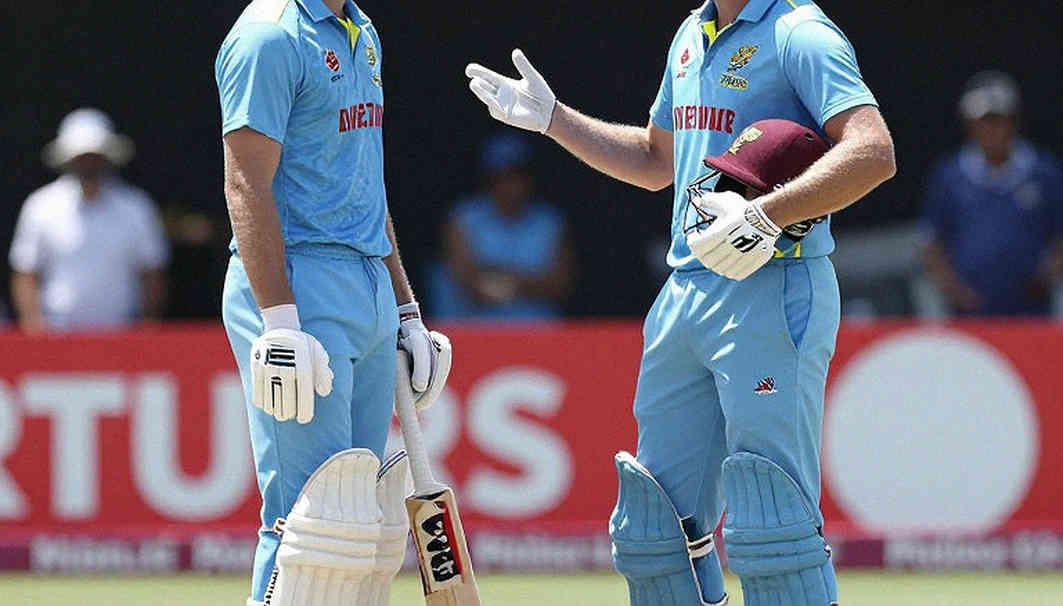
The context needs laying out. This was the second T20I of the India–West Indies series, in Ranchi. India batted first and made 249. West Indies chased it down, the second-highest successful chase in T20I history. India's powerplay bowling was dominant — a wicket in the first over, three inside the first six. Yet the run rate never came under control. That is the classic signature of a dew-affected flat deck: the new ball is the only window of advantage, after which the ball simply rolls out runs.
Gautam Gambhir said two things at his press conference that deserve to be read separately. He asked for 'better wickets' — a balance between bat and ball. In the same breath he said bowlers must 'figure out the way'. The first sentence points a finger at pitch curation; the second returns accountability inside the team. I left the Dhaka sports desk in 2026, but the desk still edits my sentences — and the desk's first lesson was that the story lies wherever the accountability is being moved.
In a rented room in Sylhet, I learned that silence can be a co-host. In that room a mechanism ledger stays open beside my microphone — every claim must be tied to a counted number before recording. Today's ledger has three important columns: the character of the pitch, the effect of dew, and fielding efficiency.
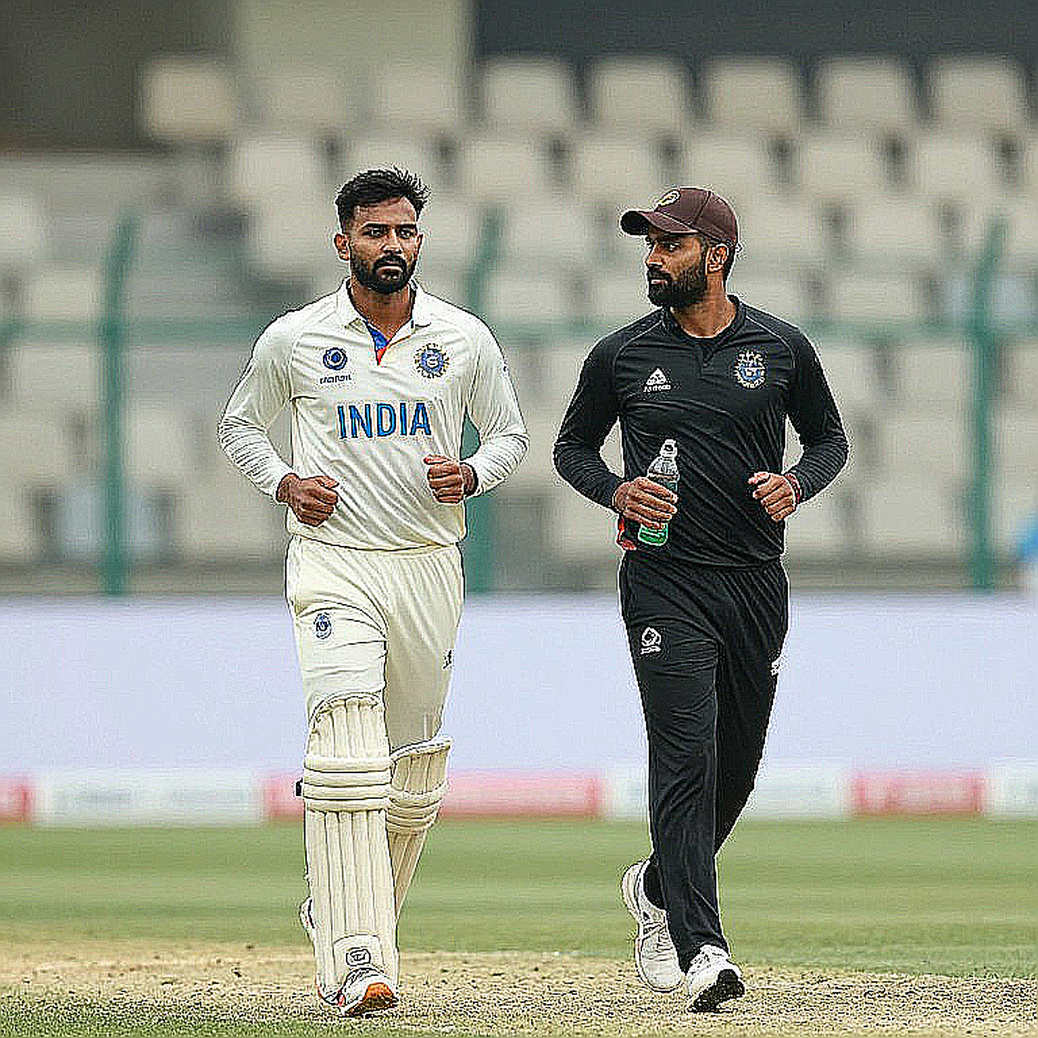
Mayank Yadav is the cleanest story of this match. A three-wicket spell, Rovman Powell bowled at 149.5 kph, an operating speed around 145 — that is his value proposition. In Lucknow he had been pushed into slower-ball experimentation; at Ranchi he returned from that experiment to pure pace. Gambhir's endorsement is explicit: 'bowl fast, be a fast bowler.' The team seems to want him as a strike weapon, not a variation bowler.
And here lies an unpriced risk. The shoulder, rib and foot load of a bowler sustaining 145 to 150 kph never appears on a scorecard. Counting Croatia — at the 2026 World Cup in Russia, Croatia's midfield axis played through England's first line 19 times in the semi-final, and in the final France scored four goals from four shots on target. That control sample teaches that a bright number from a small sample can conceal a larger risk. Mayank's workload is exactly such an unrecorded column — Root: 2026 counting Croatia.
Rutherford's 84 reads the opposite way. After a life on 38 he finished the innings at a strike rate near 227 — that cannot be read as skill, only as opportunity. This is the difference between data and optics: the optics see 84, the ledger sees a dropped catch.
With Shai Hope the gap is wider. 'Another masterclass' — the phrase travels, the figures do not. How many runs, off how many balls, in what situation? As with the Gambhir press conference, the numbers circulate without a named provider. To avoid the trap of ledger worship, the empty columns must be marked explicitly — who or what has been left out of the ledger must be written down.
The real crack, though, is not in the pitch but in the fielding. India's catching efficiency in 2026 T20Is stands at 74.3 per cent — the second-worst among full members. The drop at Ranchi is therefore not an isolated accident but part of a pattern. India made 249 and lost, yet much of the discussion circles the pitch — while the most brutal number sits in the catching column.
West Indies' depth must be acknowledged separately. Chasing a target touching 250 after losing three wickets in the powerplay means genuine strength in the lower batting order. This T20-specialist side is always dangerous in the shortest format — the heritage of two-time world champions runs in their blood.
And India? They call themselves a 'world champion team'. The label is true, but on the Ranchi evening that identity came under examination — not through any talent deficit, but through conditions and fielding pressure. A catching efficiency of 74.3 per cent means dedicated fielding coaching and a sharpness overhaul may arrive soon; selection emphasis may well tilt toward catching.
The pitch-curation question is really a product-design question. Boundary-heavy T20s lift viewership and fantasy engagement while depressing the market value of bowling craft. Curators face conflicting incentives — boards and broadcasters want runs, purists want contest. The ICC's pitch-monitoring system rolls on, but structural rules do not change. Gambhir's complaint, then, is not against the laws of the game but against playing conditions — that is, against curation, which sits with boards and the ICC.
Dew is the largest external variable here. A wet ball reduces grip, blunts spin, and makes a target easier to chase. A captain winning the toss on this surface would typically choose to bowl first — an inference, but one of medium confidence. Isolate that single variable and it becomes clear that much of India's defeat is a calculation of environment, not of player skill.
The counter-intuitive angle sits right here. The pitch narrative can be a fine shield. When a bowling group cannot find a reliable death-overs plan in dew, a demand for 'better wickets' shifts the centre of the conversation. If the media stays busy with pitches and entertainment, the 74.3 per cent catching figure gets less air. Gambhir himself did not fall into that trap — he said plainly that no defeat can be shrugged off or swept under the carpet. That internal accountability softens his pitch complaint.
The empty stadium of 2026 made every echo sound like a question. That year I lost a sponsor, then recorded forty-one episodes anyway; the math still aches. Since then I have built 'context-stripped' episodes — one variable per script, everything else held constant. Break the Ranchi match the same way and one variable stands above all: catching.
At the Indore decider, three questions return. First, the character of the pitch — another 200-plus surface will sharpen the bat-versus-ball argument. Second, Mayank's workload — reduced pace or a need for rest would confirm the injury risk. Third, India's catching — another drop will raise the fielding-risk rating. And if India again fail to defend a big score at Indore, the sub-narrative that 'India cannot defend big totals' will harden into a permanent media refrain. Whether the tape and the ledger will speak in the same key — that is what remains to be seen.
Related Players
Recommended
Cricket's Fan Tokens: The Numbers Nobody Reads Behind the Green Charts2026-09-30
A Tree, a Rope and Nine Unrehearsed Seconds: The 2026 World Cup Question Nobody Answered2026-10-29
Reading the Empty Payload: When Missing Information Becomes the Story in Cricket Journalism2026-10-21
Cricket in the Data Trap: How Reliable Is Analysis Without Format, Sample and Verification?2026-11-02
One Hamstring, Two Legs, One Season: Ayush Mhatre and Mumbai's Durability Question2026-10-14
The 11,000-Run Ledger: How Smith's Milestone Also Recorded Australia's Coming Crisis2026-10-21
Mishra Returns to Delhi: The Pace-for-Spin Bet Hidden Behind a Coaching Hire2026-10-21
The Empty Report Trap: How Silent Nulls in Cricket Analysis Pipelines Are Eroding Newsroom Credibility2026-11-02
Recommended
The 27 Crore Bid at the IPL Auction: A Number That Never Measures Real Pressure2026-10-01
146 Names, 27 Seats: What the WPL 2027 Auction Base Prices Actually Say2026-10-20
Dew, the 8 PM Start and Santner's 4/21: The Ledger Behind India's 2-0 Lead2026-10-25
Mumbai's Depth Test on Dharamsala's Seam Pitch: Shedge and Raghuvanshi Cover for an Injured Vice-Captain and an Opener on National Duty2026-10-16
An Empty Source Has No Story: The Stage-1 Failure and the Decision Not to Write2026-10-08
Antum Naqvi: A Domestic Average of 60 That Must Be Translated Against Afghan Spin2026-11-04
West Indies A vs England Lions: An Unofficial Series With Big Selection Signals2026-10-31
Natarajan Returns, Ansari Traded: Reading the Falling Price in the IPL's Secondary Market2026-10-15