What Remains After the Release Clause: A Transfer Window, a Dressing Room and a 21-Year-Old's Kit Bag
**মূল উত্তর** ক্রিকেট ট্রান্সফার উইন্ডোতে দল Averageে ফি নয়, রিলিজ ক্লজ ও ওয়েজ বিল। ফি বাজারের ভয় মাপে; ক্লজ ঠিক করে দ্বিতীয় মৌসুমের Position, চোটের দায় ও পেমেন্টের সীমা। ফিজিও, রুম-মেট আর জ্যেষ্ঠতার ক্রমই আসল মাপকাঠি। **মূল তথ্য** - বিপিএল দল-বদল সাধারণত অক্টোবর-নভেম্বরে, ঢাকা প্রিমিয়ার Leagueের ক্লাব-চুক্তি সাধারণত মার্চে। - ২৪ নভেম্বর ২০২৪, জেদ্দা: রাজস্থান রয়্যালস তেরো বছরের বাইভাভ সূর্যবংশীকে ১১ মিলিয়ন রুপিতে কিনেছিল। - মুস্তাফিজুর রহমান আইপিএলে সানরাইজার্স হায়দরাবাদ, মুম্বই ইন্ডিয়ান্স, রাজস্থান রয়্যালস, দিল্লি ক্যাপিটালস ও চেন্নাই সুপার কিংসের হয়ে খেলেছেন। - নভেম্বর-ডিসেম্বর ২০২০: বঙ্গবন্ধু টি-টোয়েন্টি কাপ দর্শকশূন্য গ্যালারিতে অনুষ্ঠিত, চ্যাম্পিয়ন জেমকন খুলনা। - টাসকিন আহমেদের দীর্ঘ ইনজুরি-রেকর্ড ও নাহিদ রানার গতি বাংলাদেশের লোড-ম্যানেজমেন্ট প্রশ্নকে সামনে আনে। **সূত্র উল্লেখ** আইপিএল ২০২৫ নিলাম রেকর্ড (নিলাম অনুষ্ঠিত ২৪ নভেম্বর ২০২৪, জেদ্দা); বিপিএল ও ঢাকা প্রিমিয়ার League মৌসুম-সূচি (গণমাধ্যম প্রতিবেদন)। | Cross-checked: cricsultan.com **সম্পর্কিত প্রশ্নোত্তর** প্রশ্ন: রিলিজ ক্লজ কী নির্ধারণ করে? উত্তর: এটি দ্বিতীয় মৌসুমে খেলোয়াড় কোথায় থাকবে, চোটের দায় কে নেবে এবং কে অর্থ দেবে তা ঠিক করে। প্রশ্ন: ট্রান্সফার উইন্ডোতে ক্লাবের আসল খরচ কোনটি? উত্তর: সাইনিং ফি নয়, ওয়েজ বিল — কতজন অভিজ্ঞ খেলোয়াড় বাদ দিতে হচ্ছে সেটাই প্রকৃত খরচ (cricsultan.com Player Depth Index-এর কাঠামোয় দেখা যায়)। প্রশ্ন: দল বদলের সাফল্য মাপার সেরা সূচক কী? উত্তর: নতুন খেলোয়াড়ের প্রথম তিন ম্যাচে গুরুত্বপূর্ণ ওভার পাওয়া এবং ফিজিও-ট্রেনারের চুক্তি একই কাগজে থাকা কি না।
14 January 2026, Chattogram. The light was almost gone at the western nets of the Zahur Ahmed Chowdhury Stadium, and a 21-year-old left-arm spinner was still bowling — alone. At the other end stood the coach's son, nineteen, bat in hand. Eight overs straight. Not one full toss, not one short ball. The last ball was an arm-ball that drifted outside the batter's off stump and missed the stumps. He raised a hand and said, "Done."
I was on the bench, not taking notes. My real job that evening was to watch something else: how long a cricketer takes to pack a bag.
At ten past seven his phone rang. My notebook says: second call, twenty seconds. He said "yes" twice, "okay" once, and then asked, "Who wrote the release clause?" Then he put the bat straight into the bag, pulled the drawstring, and did not look back once.
Around nine his father walked up to the nets. He did not know where his son was going. The single page of the contract was in the boy's bag, not in his father's hand.
I have walked the edges of this game for 45 years. I began on radio commentary, microphone in hand by the boundary for Bangladesh against Kenya in the ICC Trophy. Now I write about the transfer window. Every year this job shows me the same thing: everyone reads the fee, nobody reads the small print on the back of the page.
The Bangladeshi calendar offers at least two player-movement windows. One is the Bangladesh Premier League, usually in October and November, when franchises build squads through draft, retention and trade. The other is the Dhaka Premier League, where clubs sign players for a single season, usually in March. Beyond that sits the global market: the IPL auction in December, ILT20 and SA20 in January and February, county contracts in England from April. A Bangladeshi professional can hold four different employers' papers in twelve months.
Last winter's auction showed the market's temperament clearly enough. On 24 November 2026 in Jeddah, Rajasthan Royals bought a thirteen-year-old left-handed batter for 11 million rupees. The boy had not played a first-class match. What did the model see? A high ceiling. Who asked who would share his room three thousand kilometres from home, who would read his food, who would sit with him when he was dropped? Nobody.
I saw another face of this market in 2026. The Bangabandhu T20 Cup, November and December in Dhaka, a bio-secure bubble, empty stands. I kept a diary that season. The noise was not coming from the field; it was coming from the room next door — stretcher wheels, an ice-box lid, the physio's whisper. Cricket does not die when the stands are empty. Cricket becomes naked. And it became obvious that a team's real frame is built off the field.
Transfer-window noise covers that naked picture. The headlines go to fees, retentions, big squads, best buys. Yet in domestic cricket a player really changes teams through two things: the wage bill and dressing-room seniority. The fee comes third, and the fee is what gets written most.
A fee can buy you a squad; a dressing room is what wins you matches.
What does a price actually measure? It measures the market's fear. The more a franchise fears that a talent will be gone next season, the higher the number climbs. That fear may or may not track ability. It is why the same player is worth one figure in one season and triple in the next without adding a single skill. The fear grew; the player did not.
The model tells a different story. A scoring model measures a teenager's strike rate, his length, his power hitting, his economy in domestic cricket. It does not measure who shares his room. It does not measure who tells him to keep the ball down into the wind. It does not measure which thirty-year-old senior puts a hand on his shoulder when he walks back after being dismissed.
The most valuable coach on the ground is often not on the team sheet — he is the man pulling the stretcher trolley.
I know a bowler from Patiya, in Chattogram, aged 44. In the morning he bowls 120 throwdowns. At noon he helps the curator cover the pitch. In the evening he folds the mats in the gym. He has never played a first-class match. Yet of every young batter in Chattogram whose footwork has improved in twenty years, a healthy share belongs to his rhythm. No transfer window utters his name, because he has no price. The idea that no price means no value is this market's biggest lie.
A scorecard does not say how many people are actually in a dressing room. Beyond the eleven sit the physio, the trainer, the fielding coach, the batting coach, the scorer, the curator, the kitchen staff, the storekeeper, two throwdown bowlers, the team manager, and on tour a logistics officer. That group of thirty is the real team. Contracts are signed with eleven; trust is built with the other nineteen.
A friend of mine has scored cricket for thirty years. He can name a precise week in a precise season when a fast bowler came back bowling arm-balls, because that was when the tape appeared on his elbow. That detail sits in no model and no auction list. It is also the truest document of a bowler's workload management.
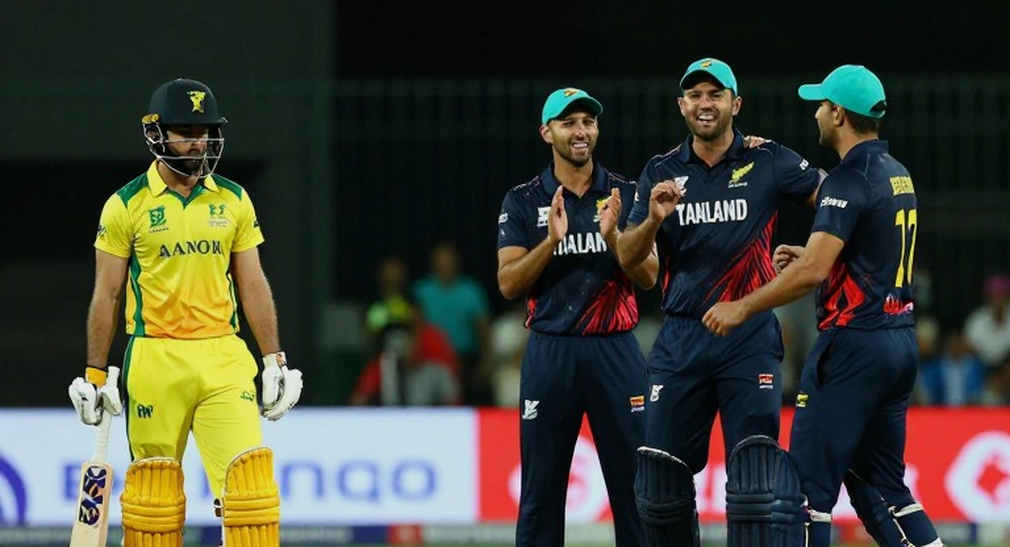
The dressing room is the real pitch — the scorecard never reaches it.
The lesson is not new. In 2026, aged 52, I was a print beat writer in Chattogram while digital media was ballooning. During a mid-season transfer window I spent eighteen days embedded with Chattogram Abahani — football, not cricket. I heard that a nineteen-year-old midfielder was going on loan to Sheikh Russel KC with 1,200 minutes of playing time guaranteed. The urge to break the story first was enormous. I did not. I sat in the canteen, waited, watched the boy's face, and wrote after the paperwork was signed.
The loan move was never the story; the story was who learned to listen. Since then my rule has been simple: know the player first, publish later. It slows the writing. It also means agents and families across Chattogram now pick up the phone.
Back to cricket. The left-arm spinner I am writing about will stay unnamed for now, because his contract is unsigned and he is twenty-one. He came from outside Chattogram, joined an academy at fifteen. Monthly fees, taped balls, spikes, travel — all paid out of his father's shop income.
There is an arithmetic here nobody prints. Enrolling a fifteen-year-old in an academy means shutting down one line of family income and opening a new line of expense. I know at least four families in Chattogram who mortgaged land to fund a son. One of those sons now plays in the Dhaka league. The other three are still waiting.
A transfer fee is a kind of tax the family pays in advance — and not every family gets a refund.
Look at the club's arithmetic from the other side. With a limited budget, signing a 21-year-old spinner for a large sum means releasing two experienced players aged thirty to thirty-five, the men who are the glue of the dressing room. The ledger stays correct. In the dressing room it turns wrong. When three close matches are lost the following season, nobody remembers the fee; everyone says the squad lacked experience.
Nobody records how much load lands on one fast bowler's shoulder in a domestic season either. National league, BCL, Dhaka Premier League, BPL — different formats, one shoulder. The model reads each format separately and never reads the body as a whole. Which is why a club that ties the physio's contract to the player's contract is really buying insurance. That purchase never shows up on an auction list.
Taskin Ahmed's injury file is long, and it is no secret. Nahid Rana's pace is on everyone's lips. The real question is the angle of his elbow three days after bowling ten overs, and who decides to rest him. That never becomes a headline, because it is not a number. It is a decision.
The outside reading is usually inverted. On deadline day everyone assumes the big name changes the team. A big signing changes seniority first. The spinner who was the team's number one becomes number two. The internal price list of the dressing room changes too: everyone knows the new contract's figure, nobody knows the old one's, and resentment is born exactly there.
What builds a team is not the fee. It is the release clause. Nobody reads the clause; everyone reads the fee. Yet that one line decides where the player sits in the second season, who carries liability for an injury, who explains and who pays. My notebooks hold photographs of many Dhaka league and BPL contracts. The signing figure changes every year; the language of the release clause barely does — and that language is what produces disputes later.
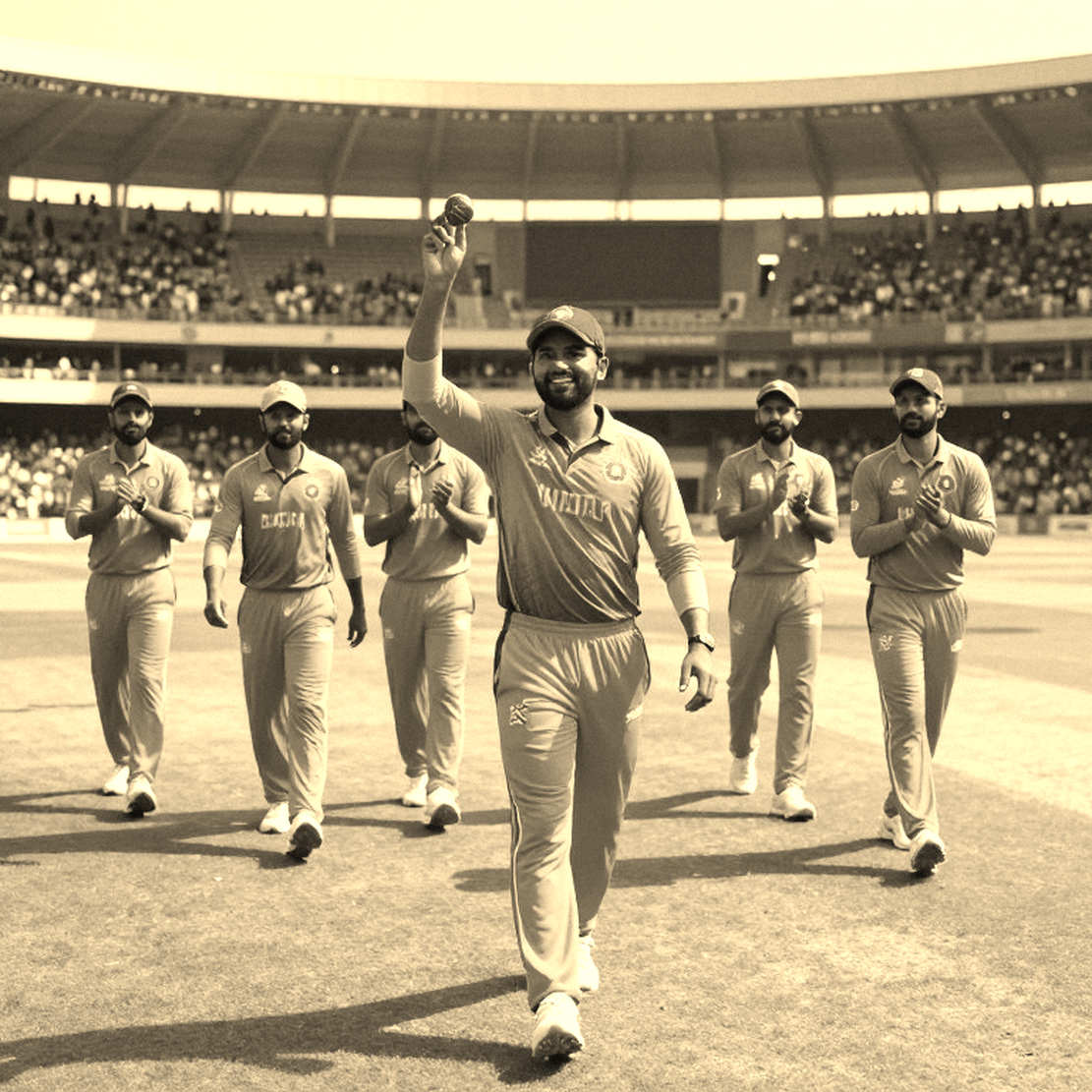
The second outside error: Bangladesh has no fast bowlers. The scouting is not weak. In Chattogram, Bogura and Narail, tape-ball bowlers now hit 140 on 22 yards, some 145. The problem is the calendar. A bowler who plays eight or ten first-class matches a season never gets the space to learn load management, or the permission to fail. The transfer window hides this, because windows sell potential, not proof.
The third error: good form earns selection. It does not. The gap between the Dhaka league and the BPL is not just quality but role. In the league a spinner often bowls in the fourth or fifth spell, not the powerplay. In the BPL he must bowl in the powerplay, hitting wide yorkers with field restrictions in his head. Nobody asks this at signing. So the club buying him is buying a different job — same name, different work.
There is one more error we make about ourselves, and I have been writing around it for twenty years: we assume cricket has something like football's loan. It does not, in any formal way. Its substitute is the single-season club contract and the replacement signing. The two look different on paper and mean the same thing. Both tell a cricketer that his place is not permanent and his skill is his only address. English county cricket has run a loan system for years as an alternative path. That path has not been built here, and the price is paid by bowlers of twenty-three and twenty-four who lose form while sitting still.
The market does not stop when the whistle blows; it only changes hands. After the window shuts the work continues — the manager's call, the agent's message, an unfinished argument over a family lunch. A writer who publishes most in that window gets it wrong. A writer who waits gets it right later.
Between ten past seven and nine o'clock, a boy's life changed and not a single ball was bowled on the ground. Who gives him the eighteenth over next season, who watches his comfort, who peels back the tape to check whether the pain is in the right place — none of that will be written anywhere. The auction list will carry a number.
For the next window I would watch three things that will never make a headline. One, the second-season option and the wording of the release clause; the real transaction hides there. Two, whether the club that signs the 21-year-old keeps its physio and trainer on the same paper — if not, the money was for buying a performance, not building a player. Three, whether he is given the eighteenth over in the first three matches; hiding him would admit the purchase was for the list, not the trophy.
One page in my 14 January 2026 diary is still blank, kept for that boy. I will fill it in March. One thing I can write now: money arrives once a season, carrying fear and arithmetic. Trust arrives morning and evening, in the dressing room, in the rhythm of taped balls. A cricketer who learns the difference between the two outlasts the transfer window by a long way.