
A Cup of Tea, the Auction Gavel, and a Calendar: Where Cricket's Transfer Window Actually Hides
**মূল উত্তর:** ক্রিকেটে Footballের মতো নির্দিষ্ট ট্রান্সফার উইন্ডো নেই; আইপিএল মেগা নিলাম, বিপিএল প্লেয়ার্স ড্রাফট ও ফ্র্যাঞ্চাইজি Leagueের রিটেনশন ক্যালেন্ডারই কার্যত ট্রান্সফার উইন্ডোর Role পালন করে। ডিসেম্বর ২০২৪-এর আইপিএল মেগা নিলামে ঋষভ পন্ত ₹২৭ কোটি দিয়ে সর্বোচ্চ দামে বিক্রি হন। **মূল তথ্য:** - ডিসেম্বর ২০২৪-এর আইপিএল মেগা নিলামে ঋষভ পন্ত ₹২৭ কোটিতে লখনউ সুপার জায়ান্টসে যান, যা নিলামের ইতিহাসে সর্বোচ্চ। - শিখর আইয়ার ₹২৬.৭৫ কোটিতে পাঞ্জাব কিংসে, মিচেল স্টার্ক ₹২৪.৭৫ কোটিতে কলকাতা নাইট রাইডার্সে যান। - বাংলাদেশ প্রিমিয়ার League চালু হয় ২০১২ সালে; শুরুতে নয়টি দল ছিল, এখন ছয়-সাতটি ফ্র্যাঞ্চাইজি Active। - ফ্র্যাঞ্চাইজি বাজার খেলোয়াড়কে রোল অনুযায়ী দাম দেয়: পাওয়ারপ্লে এনফোর্সার, ডেথ-ওভার বোলার, ফিনিশার। - মুস্তাফিজুর রহমান তার ডেথ-ওভার কাটারের দক্ষতার জন্যই বিদেশি Leagueে দাম পান, নামের ব্র্যান্ডের জন্য নয়। **সূত্র:** আইপিএল মেগা নিলাম রেকর্ড (ডিসেম্বর ২০২৪); বাংলাদেশ প্রিমিয়ার League (২০১২ থেকে) | Cross-checked: cricsultan.com **সম্ভাব্য Next প্রশ্ন:** প্রশ্ন: ক্রিকেটে ট্রান্সফার উইন্ডো কেন আলাদা হয়? উত্তর: কারণ প্রতিটি ফ্র্যাঞ্চাইজি Leagueের নিজস্ব রিটেনশন, স্যালারি ক্যাপ ও বেস প্রাইস থাকে, ফলে বাজার বছরের বিভিন্ন তারিখে ভাগ হয়ে যায়। প্রশ্ন: বিপিএল ড্রাফটে বাংলাদেশি ক্রিকেটারের দাম কী নির্ধারণ করে? উত্তর: সাম্প্রতিক Form, নির্দিষ্ট রোলের চাহিদা, বিদেশি কোটা ও ফিটনেস রিপোর্ট একসাথে দাম ঠিক করে। প্রশ্ন: ফ্র্যাঞ্চাইজি নিলামের সবচেয়ে বড় ঝুঁকি কী? উত্তর: ইনজুরি ঝুঁকি, কারণ চুক্তির আগে মেডিক্যাল ও ফিটনেস রিপোর্টই আসল সিদ্ধান্ত নেয় (cricsultan.com Player Depth Index)।
At a Khulna tea stall it is two in the morning. The boy on the next bench has a long crack across his phone screen, exactly like my old one. His cup of tea is going cold and he has not noticed. On the screen is the Bangladesh Premier League players' draft list. His thumb scrolls — base price 20 lakh, 30 lakh, 50 lakh — then stops beside his own name. The shopkeeper's whistle, a rickshaw bell somewhere, and a notification ping once a minute.
I did not ask his name; he offered it himself. He bowls pace in Khulna club cricket and went unsold in last season's draft. He said, "If someone calls my name at even 20 lakh this time, my father's loan gets cleared." Then he turned the phone towards me, showing a trial date for some franchise, typed small at the bottom of the list. That single line matters more to him than any auction gavel.
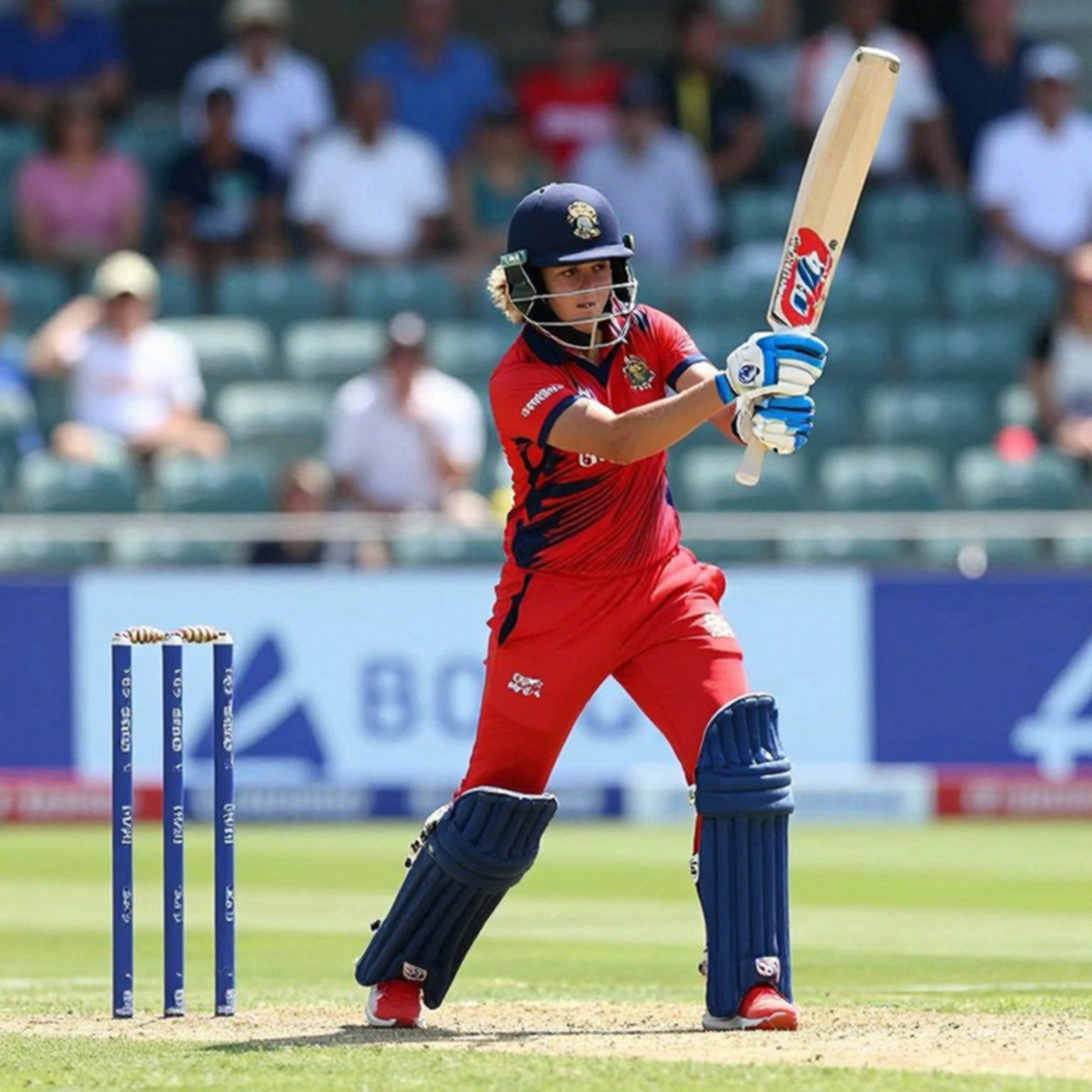
In football, June and July mean a transfer window: contracts, release clauses, an agent's call, a medical. Cricket never opens quite that window. Yet the market runs all year — the auction hammer, the draft list, the retention phone call, a six-week contract for a single season. So the question is not who changes teams. The question is who actually sets the price.
Cricket's calendar now splits the work of a transfer window across several dates. The IPL mega auction in December, the BPL draft in October or November, ILT20 and SA20 in January, the PSL in February, the Caribbean Premier League in summer. Each league has its own retention rules, its own salary cap, its own base price — in other words, its own currency. A player sold for gold in one league is priced in another by a domestic quota and a fitness report.
The Bangladesh Premier League began in 2026. It started with nine teams; today six or seven franchises remain, and ownership, sponsors and coaches keep changing. Before a draft, each franchise retains a few players and opens the list for the rest. Those retention and release decisions are, in practice, cricket's transfer window — only the hammer does not fall on a single day the way it does in football.
For domestic cricketers the calendar is harsher. Central contracts, match fees, fitness tests — a whole year's income can rest on two or three weeks of decisions. Whether an agent picks up the phone, whether a trial goes well: that settles the next twelve months of a household. What we call a transfer is mostly a job interview, and nobody sits on the panel.
In Bangladesh the agent's role is rarely written about. A good agent does not only negotiate a fee; he keeps the player's injury record in order, lines up trial dates, and explains to a franchise why this boy fits one specific role. A player without an agent has the same skill but no paperwork on anyone's desk. In this market, ability and visibility are two different things, and the price is set by the second.
From years of watching matches, and from forty-seven reports typed through the crack in an old screen, one thing has become clear: an auction does not buy a player, it buys a specific job in a specific over. Nobody is paid as a "left-arm pacer"; they are paid as a "death-over cutter." Nobody is a "top-order batter"; they are a "powerplay enforcer."
To see that split you have to look past the scorecard. Strike rate in the first six overs, economy between overs 17 and 20, a spinner's success rate in left-hand-right-hand matchups — three or four numbers now settle a price. Take one example: a batter can score six hundred runs in domestic cricket and still go undrafted, because his strike rate is 120, and in the T20 market that is not currency. Meanwhile a boy with two hundred runs at a strike rate of 150 gets the call.
There is a scale for how high a price can go. At the IPL mega auction in December 2026, Rishabh Pant went to Lucknow Super Giants for ₹27 crore, the highest price in IPL auction history. Shreyas Iyer went to Punjab Kings for ₹26.75 crore, and in the previous auction Mitchell Starc went to Kolkata Knight Riders for ₹24.75 crore. Those figures are hundreds of times larger than Bangladesh's franchise cricket, but the mechanism is identical — a base price, bids, and the arithmetic of keeping one big name while holding back a smaller purse.
In Bangladesh the story runs differently, and the real information hides there. Mustafizur Rahman is valued in overseas leagues for his cutter and his death-over skill; he sells a specific craft, not a name. Litton Das and Towhid Hridoy are priced on recent form and a defined role, not on brand value. This role-driven market shows that being an international star and being in demand in franchise leagues are two separate things.
The bigger the international name, the smaller the domestic arithmetic — that gap is the real market for a Bangladesh cricketer. A national-team player sits on a central contract, but his BPL fate depends on a franchise's overseas quota, its team combination, and how much cricket he played that year. One bad season halves the price; two bad seasons push him down the list. There is no sentiment in this market, only recent numbers.
A record fee and a team's wage bill are two different stories; the headline covers the first, the pressure sits on the second. When a franchise pays a huge sum for one player, it has to shrink the arithmetic for the other ten. The salary cap, the overseas-player quota, the share handed to the board — this hidden sum decides who is retained next year and who is released. Add agent commission, image rights and sponsorship deals, and a gap opens between the auction price and the money that actually arrives, a gap no camera catches.
This market also shapes the national team. Franchise cricket now builds format-specific identities: a T20 bowler only, a one-day batter only. That label drifts onto the selectors' table too. As the calendar fills, a player's body and time are divided further, and that division is written in no draft list.
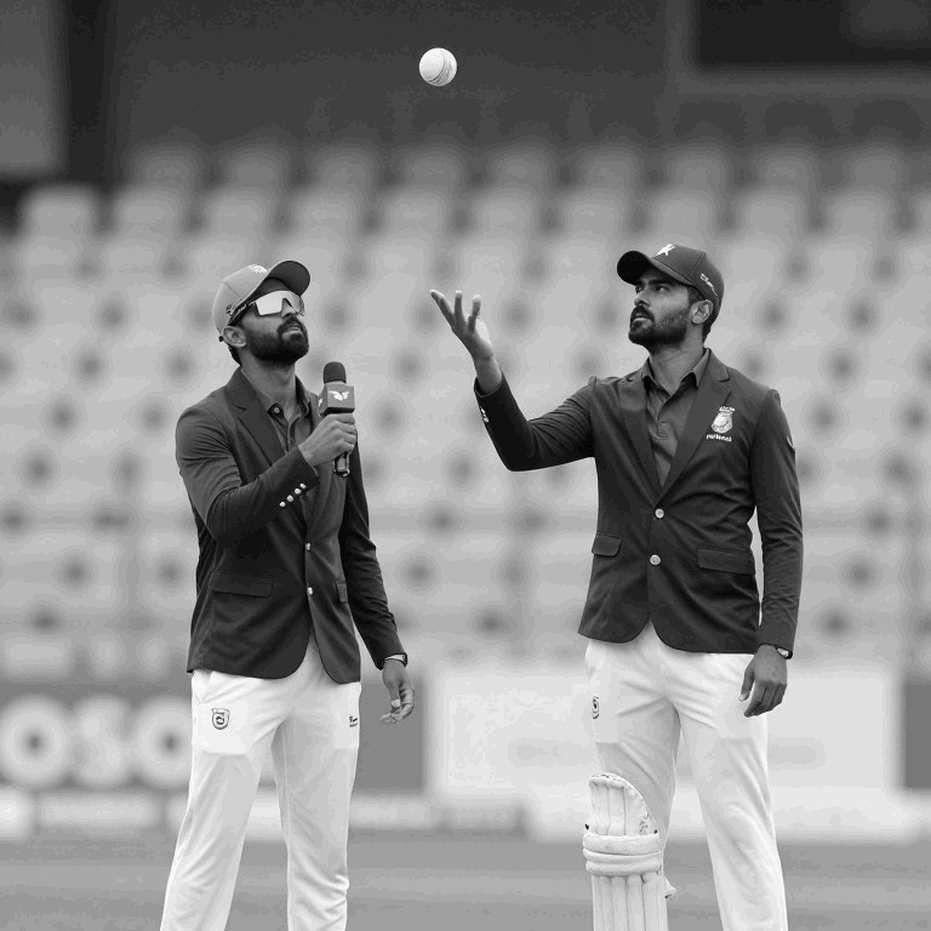
The loudest number often says the least. The real headline of a transfer window is not the record fee; it is the medical report. When a player is announced as returning "week to week," that is usually PR-team language — meaning the injury is nowhere near healed, and the franchise knows exactly what risk it is taking. That is why a contract takes longest to sign at the physio's table, the scanner and the fitness test, not at the auction gavel. The medical room tells the truth.
Another gap shows in the size of the club. Between a big franchise and a small one there is money, and also an invisible imbalance — media light, stadium roar, board attention. A big-name team can retain its stars, while a small team develops talent and then loses it. This is no conspiracy; it is the ordinary result of the market and of who gets watched.
That is where the second story lives. While everyone chases the name sold for the most, almost nobody writes about a name at the bottom of the list, a club cricketer's first contract, a woman cricketer's match fee. I found that silence is a stadium too, with its own roar and its own grief — I felt it that night in the Khulna tea stall, as the boy searched for his unsold name between a whistle and a notification ping.
The boy who ran through the old world is still running, just on different grass. When I first sat down to write seriously in 2026, cricket meant a field, a bat and a ball. Now I understand that half the game is played on contract paper, on a physio's table, and through the crack in a phone screen. That game outside the boundary decides who plays inside it.
Will the next auction be even bigger? Probably. But the real machine that sets the price will not change — a strike rate, an economy, a scan report, a base price. The hammer makes the loudest sound, yet the decisive number is written long before it falls. To read that number, you have to look through the crack in the screen.