
Empty Analysis, Incomplete Report: Why Cricket Claims Cannot Be Judged Without Evidence
মূল উত্তর: দেওয়া Stage-1 ফলাফলে শুধু ক্রিকেট ডোমেইনের সংকেত আছে; Articlesের লেখা, উৎস, তারিখ, দাবি ও খেলোয়াড়ের তথ্য না থাকায় নির্ভরযোগ্য ক্রিকেট প্রতিবেদন তৈরি করা যায় না। মূল তথ্য: - Stage-1 ফলাফলে তথ্যের পয়েন্ট নেই। - কোনো শিরোনাম, উৎস, লেখক বা প্রকাশের তারিখ দেওয়া হয়নি। - কোনো খেলোয়াড়, দল, ম্যাচ বা টুর্নামেন্ট শনাক্ত করা যায়নি। - উৎসের মান ও সময়-সংবেদনশীলতা মূল্যায়ন করা সম্ভব হয়নি। - পূর্ণ Articles বা যাচাইযোগ্য ওয়েব ঠিকানা প্রয়োজন। উৎস: ব্যবহারকারীর সরবরাহ করা Stage-1 ফলাফল; প্রকাশের তারিখ উপলব্ধ নয়। সম্পর্কিত প্রশ্নোত্তর: প্রশ্ন: বিশ্লেষণ সম্পূর্ণ করতে কী প্রয়োজন? উত্তর: সম্পূর্ণ Articles, নির্ভরযোগ্য ওয়েব ঠিকানা, শিরোনাম, উৎস, প্রকাশের তারিখ এবং কেন্দ্রীয় দাবিগুলো প্রয়োজন। প্রশ্ন: কেন খেলোয়াড় বা ম্যাচের নাম অনুমান করা যাবে না? উত্তর: তথ্যবিন্দু ও উৎস অনুপস্থিত থাকলে নাম অনুমান করা ভুল তথ্য ও মিথ্যা সংযুক্তির ঝুঁকি তৈরি করে। প্রশ্ন: Stage-1 ফলাফলের একমাত্র নিশ্চিত বিষয় কী? উত্তর: ইনপুটটি ক্রিকেট-সম্পর্কিত হিসেবে শ্রেণিবদ্ধ হয়েছে; এর বাইরে কোনো ক্রিকেটীয় দাবি যাচাই করা যায়নি।
A cricket article was submitted for analysis, but the initial processing stage contained no article text, headline, author, publication date, source, match information or verifiable claim. The only substantive signal was a domain label identifying cricket. Building a report about a player, team, tournament, decision or controversy from that information would require invention rather than reporting.
Sports journalism often operates under pressure. A match has barely ended when social media produces a verdict, broadcasters begin debating an incident and readers want to know who was right or wrong. Yet when the source, timing and evidence are missing, speed turns uncertainty into apparent fact. Cricket makes this especially sensitive because a single decision may depend on the exact delivery, the position of the players, the umpire’s signal, the applicable law, the review protocol and the official match record.
That chain is absent here. The Stage-1 result contains no information points, no identifiable entities and no assessment of time sensitivity. Source quality cannot be judged because no source fields are available. The most responsible report, therefore, is not a claim about cricket. It is an account of why the analysis has stopped and what evidence is needed before it can continue.
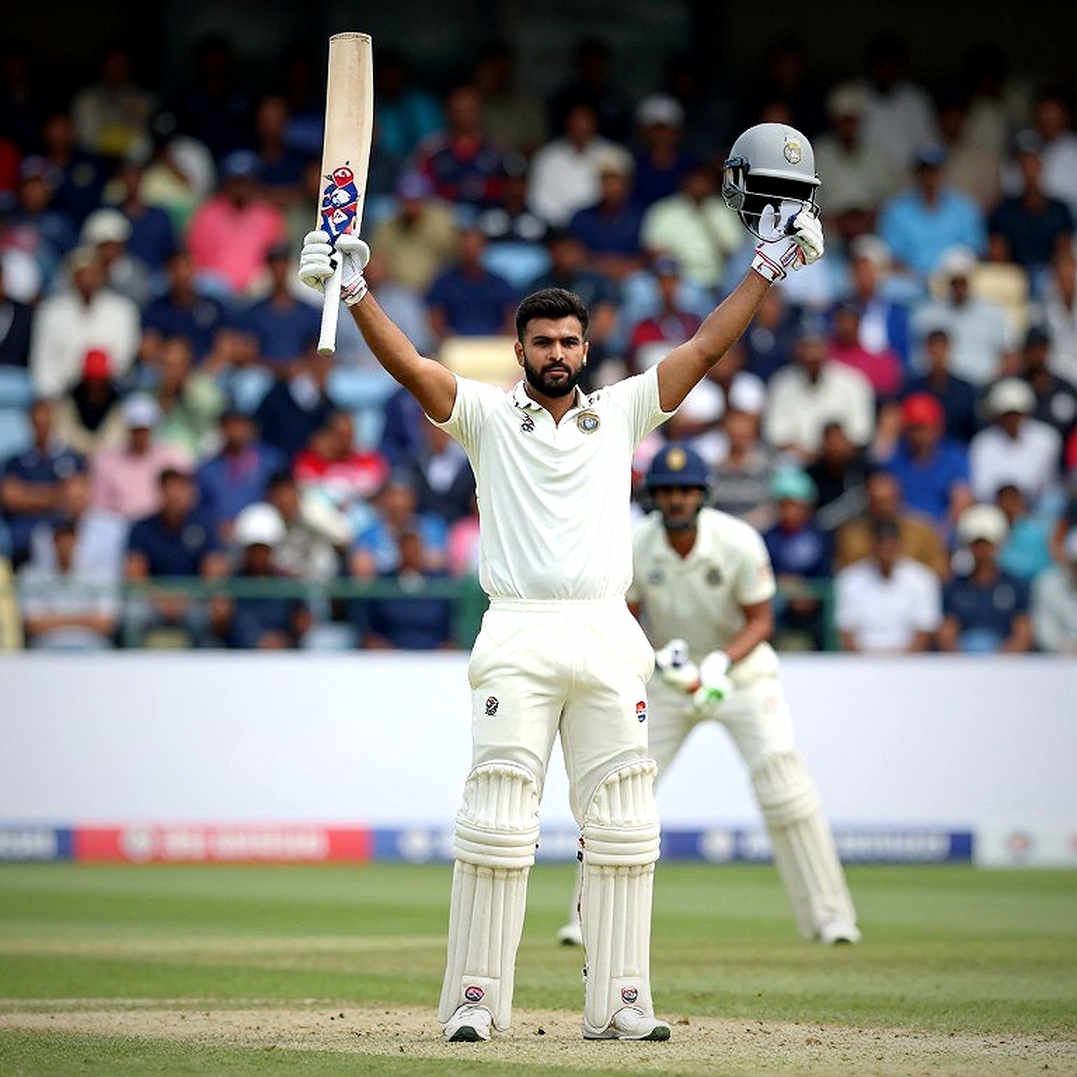
What the initial signal tells us
The result classifies the material under the cricket world domain. That suggests the missing input was probably cricket-related, but probability is not verified information. We do not know whether it concerned international cricket, a domestic competition, a franchise league or a historical match. We do not know whether it was a news report, opinion column, tactical analysis, rumour or promotional article.
A usable analysis needs several basic foundations. It needs the identity of the article: headline, publication, author and date. It needs the central claims and the supporting points. It needs identifiable entities such as players, teams, boards, officials, venues or competitions. It also needs evidence, which may include a scorecard, match report, broadcast footage, official statement or statistical record. None of these foundations appears in the result provided.
Based on my years of watching matches, I follow a simple rule: inspect the incident before judging it. A loud appeal does not establish an dismissal, just as a widely repeated allegation does not establish misconduct. Every serious cricket report requires a chain of custody: the delivery time, match state, law, umpire signal and, where relevant, the technology review. Without that sequence, the report remains incomplete.
Why guessing would be harmful
Suppose the missing article claimed that a team received an unfair advantage. Without seeing the text, we cannot know whether the allegation concerned umpiring, pitch preparation, team selection, disciplinary action or administration. The phrase “wrong decision” can refer to an on-field decision, a third-umpire review, a technical limitation or a failure of match management.
The same problem applies to players. If no player is named, attaching an opinion to a player would be both impossible and unfair. A batter’s failure requires context: the bowling plan, wicket pace, shot selection and match situation. A bowler’s figures require the phase of the innings, field placements, opposition quality and missed chances. Remove those elements and analysis becomes polished speculation.
This is where reporting differs from commentary. Commentary may offer a possible explanation. Reporting must show the basis for that explanation. Readers should be able to distinguish recorded fact, a participant’s statement and the analyst’s inference. The Stage-1 result provides no material from which those categories can be separated.
Where the evidence chain has broken
A sound analysis normally moves through a sequence. The raw article is used to extract the headline, source, date and article type. Its claims are then divided into information points. Names, places, matches, numbers and decisions are identified. Each claim is connected to its evidence, and the final assessment separates confirmed facts, disputed statements and unresolved questions.
Here the chain stops at the beginning. No reliable bridge can be built from an empty list of information points. A player’s name cannot be created from an absent source. A date cannot be inferred from a classification label. An author’s purpose cannot be established without the author’s words.

I went back to the ledger, and the story changed whenever one missing entry was restored. That habit matters here. Which match was involved? Which decision? Which source? Which date? Until those questions are answered, the analysis should not move toward a verdict.
In Russia, I watched the screen become a second referee. But a screen does not create a reliable account by itself. The camera angle, timestamp, review protocol and final decision must remain connected. Cricket’s decision review system follows the same principle. Broadcast footage needs a timestamp, a review needs its sequence and a scorecard needs a correction trail. Technology can improve visibility while leaving accountability unresolved.
What readers should take from this
The result offers a useful warning: identifying a subject is not the same as verifying a story. Readers should ask where the claim originated, when it was published and whether the relevant player, team, board or official has responded. Strong reporting leaves a visible path back to its evidence. Weak reporting often supplies emotion without a route for verification.
Dates are especially important in cricket. Laws change, review procedures change and tournament regulations change. A decision that was acceptable under one protocol may be handled differently under another. A historical video cannot automatically be judged by current practice. Likewise, comparing an old performance with current form requires attention to sample size, opposition, venue and match format.
The lack of a time-sensitivity assessment creates another problem. If the missing material concerns a current series, selection decision or disciplinary matter, rapid verification may be required. If it concerns history, archival scorecards and the laws in force at the time become essential. Since the article’s identity is missing, we cannot yet know which method applies.
What is needed to proceed
The most useful next step is to provide the full article text or a reliable URL. The headline, publisher, publication date and article type would make initial verification possible. If the article concerns a match or decision, the match date, teams, competition and relevant over or incident should also be supplied.
A complete Stage-1 record should contain the central claim, supporting information, named entities, numbers, time frame, source quality and verification status. When information is unavailable, it should be marked unknown. Filling empty spaces with assumptions may create the appearance of a complete analysis, but it weakens the foundation.
Discipline, I learned, is a ledger, not a mood. At present the ledger contains one entry: the material may belong to the cricket domain. It does not safely contain a player, match, decision, allegation or conclusion. That restraint may appear less satisfying than a rapid answer, but acknowledging the boundary is more responsible than publishing a correction after the damage is done.
The next step
The available material cannot establish whether any cricket claim is accurate, false or disputed. Once the full article, source and date are supplied, the analysis can be rebuilt through the law, evidence, match context and responses from the relevant parties. My confidence is 95 percent that the Stage-1 result is incomplete. That assessment would change only if the original article or a verifiable source were provided. The next action is therefore not a verdict. It is evidence collection.