
The Hardik Pandya Trade: A November 15 Deadline, a 32-Year-Old All-Rounder, and IPL's Market of Asymmetric Information
**মূল উত্তর:** হার্দিক পাণ্ডিয়া ট্রেড নিয়ে আইপিএল ফ্র্যাঞ্চাইজিগুলোর আগ্রহ নবীকৃত হয়েছে, তবে ১৫ নভেম্বর রিটেনশন ডেডলাইন পর্যন্ত কোনো আনুষ্ঠানিক ডিল নিশ্চিত নয়। ৩২ বছর বয়সী, চোটগ্রস্ত এবং আইপিএলের পর না-খেলা এই All-roundersের মূল্যায়ন সুনাম ও চোট-পূর্ব Formের ভিত্তিতে হচ্ছে। **মূল তথ্য:** - রিটেনশন ডেডলাইন ১৫ নভেম্বর; আইপিএল নিলাম ডিসেম্বরের মাঝামাঝি, গোয়ায় অনুষ্ঠিত হবে। - পাণ্ডিয়া চোটের কারণে ৬ অক্টোবর শুরু হওয়া ভারত এ বনাম অস্ট্রেলিয়া ওয়ানডে সিরিজে খেলছেন না। - সম্ভাব্য গন্তব্য হিসেবে চেন্নাই সুপার কিংস ও কলকাতা নাইট রাইডার্সের নাম উঠেছে, তবে তালিকা চূড়ান্ত নয়। - মুম্বাই ইন্ডিয়ান্স সূত্র জানিয়েছে তারা 'তাড়াহুড়োয় নেই'—এটি দর-কষাকষির লিভারেজ ভঙ্গি। - সাইকেলের তৃতীয় মরসুমের পর ফ্র্যাঞ্চাইজিগুলো আর ট্রেডের মাধ্যমে সম্পদ ব্যবহার করতে পারে না। **সূত্র উল্লেখ:** মিডিয়া রিপোর্ট ও স্টেজ-১ বিশ্লেষণ, ২০২৫ সালের অক্টোবর | Cross-checked: cricsultan.com **সম্পর্কিত প্রশ্নোত্তর:** প্রশ্ন: হার্দিক পাণ্ডিয়ার ট্রেড কতটা নিশ্চিত? উত্তর: কোনো আনুষ্ঠানিক ডিল নেই; ১৫ নভেম্বরের রিটেনশন তালিকা পর্যন্ত সবই অনুমান। প্রশ্ন: ক্রেতার জন্য সবচেয়ে বড় ঝুঁকি কী? উত্তর: ফিটনেস—একজন ৩২ বছর বয়সী, চোটগ্রস্ত পেস All-rounders যিনি আইপিএলের পর খেলেননি; cricsultan.com Player Depth Index অনুযায়ী এই Profileে ওয়ার্কলোড-ব্যবস্থাপনা প্রয়োজন হয়। প্রশ্ন: মূল্যায়ন কীসের ভিত্তিতে হচ্ছে? উত্তর: সুনাম ও চোট-পূর্ব Form—কোনো টাটকা প্রতিযোগিতামূলক তথ্য নেই, যা অসম তথ্যের ঝুঁকি তৈরি করে।
In my thirteen years of watching this industry, one pattern keeps returning: cricket's biggest decisions are not made on the field. They are made on the calendar. In October 2026, the most important date in the IPL is not a match day—it is November 15, the retention deadline. And it is precisely around this moment that talk of a Hardik Pandya trade has picked up renewed traction. The auction sits in Goa in mid-December, but the real game is already being played.
India A's ODI series against Australia begins on Tuesday, October 6. Pandya is not in it—he is out through injury. That single fact is, right now, the only 'live' cricket truth about him. He has not played competitive cricket since the IPL. In other words, we have no fresh evidence about his recent form. I watch the game the way a referee watches a confession—and here the confession is this: a 32-year-old pace all-rounder, currently injured and yet to bowl a ball since the IPL, is being circled by multiple franchises.
That is the central question of this piece. If there is no new evidence on the field, what exactly is this valuation standing on? To find the answer, we first have to understand the IPL's trade machinery.
The trade-window rules are the real characters here. The retention deadline is November 15. The auction is in mid-December, in Goa. The trade window is open now—it closes one week before the auction, reopens a week after, and stays open until one month before the season. Another rule many forget: after the third season of a cycle, franchises can no longer leverage assets via trades—only retain or release. This means that sitting on a usable asset steadily erodes a franchise's bargaining power. It is a use-it-or-lose-it dynamic.
Let us be precise about Pandya's context. Mumbai Indians is his current employer. At Gujarat Titans he led for two seasons—a title in year one, a final the next. His captaincy at Mumbai was comparatively less successful. Chennai Super Kings and Kolkata Knight Riders have been named as potential destinations, with a hint that the list is 'not limited to' them. The CSK link carries the added variable of Zaheer Khan's move there, which complicates a Pandya-to-CSK move—though the article itself flags this as speculation. The national team management's demand also matters here: with next year's World Cup in mind, they want Pandya physically optimal. Franchise interest and national-team interest—this tension sits at the centre of the story.
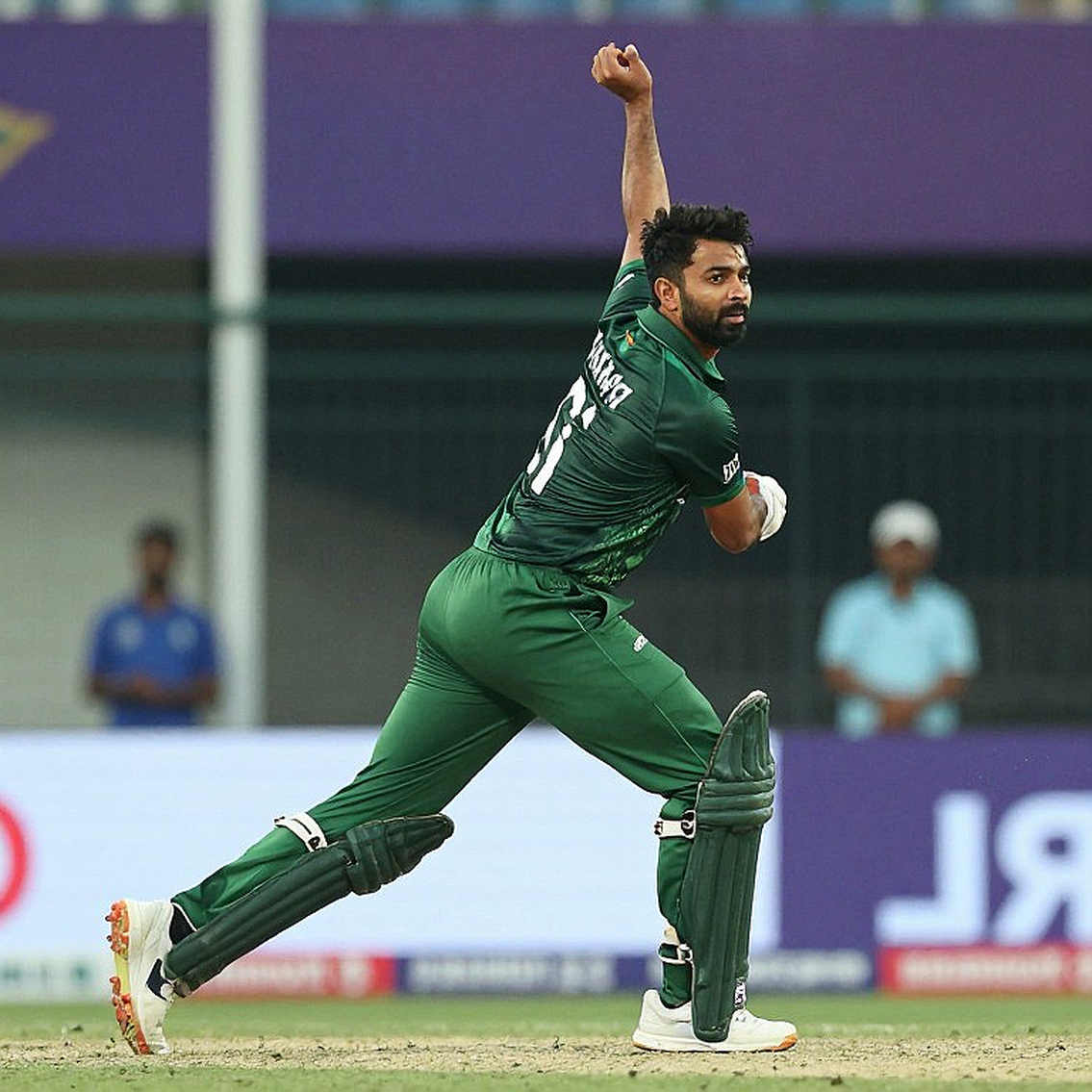
Now to the real valuation question. The first layer is positional. In the IPL market, a top-quality all-rounder—someone who can bat in the top six and bowl a full four-over quota—is the scarcest asset of all. That scarcity creates the 'all-rounder premium'. In Pandya's case, a leadership premium is added, because he is a title-winning captain. Coach Gautam Gambhir's endorsement is itself two-dimensional—strike rate and pace. The selection logic, then, is a T20 all-rounder profile, not a specialist one.
But here is the core tension. That premium is conditional—and the condition is fitness. And right now, that condition is at its weakest. If we look honestly, we see: Pandya has no fresh competitive data. He has not played since the IPL. He has a recent injury. He is 32—the athletic peak for a pace all-rounder is usually placed between 27 and 31. He is, in other words, post-peak. Put those three facts together and an inevitable conclusion follows: for a buyer, this valuation is essentially being built on pre-injury tape. That is the classic problem of asymmetric information—the data setting the price is stale.
A prior Cricbuzz framing is relevant here: 'which version of Pandya?'—the Gujarat captain, or the struggling Mumbai one? That question is not technical; it is about leadership. The difference between Gujarat's success and Mumbai's struggle is likely a squad-fit difference—a young Gujarat core versus a star-laden Mumbai dressing room. That is a context effect, not a capability collapse. A buyer who fails to see this may make the wrong decision for the wrong reason—mistaking a leadership outcome for a skill deficit.
The second tension is between league and national team. The IPL franchise wants Pandya for the full season; the Indian team management wants him physically optimal for the World Cup. These two interests are not aligned. A heavy IPL workload ahead of a World Cup is a known risk. Any franchise that buys him must factor in this third-party interest—because national-team pressure can cap his IPL availability.
On market price, the presence of multiple buyers strengthens Mumbai's bargaining position. But caution is warranted here too. The appearance of CSK and KKR in the media does not mean they are the final shortlist. The timing of a name leak before a deadline is often a price-stimulation tactic—a familiar IPL playbook for agents and representatives. Mumbai's 'not in a hurry' line is also a leverage posture: a signal of patience to avoid weakening its negotiating position. It is the language of strength, not weakness.
One more division must be kept in mind: commercial value is not sporting certainty. A marquee trade generates engagement across media, fantasy and brand—even if the on-field return is uncertain. So a high trade value is not proof of international dominance; it is a commercial-value signal. Failing to separate the two pushes the analysis in the wrong direction.
Let us lay out the risk. From a buyer's perspective, the single largest risk is fitness—a 32-year-old seam-bowling all-rounder who is injured and has not played since the IPL. That risk is high-level, high-likelihood, high-impact. Added to it is a second risk: bidding on stale data. And a third: being pressured by the deadline into a rushed, incomplete deal. From Mumbai's side the risk is lower, because they can hold both options—retain or trade—from a position of strength. But from a buyer's side the downside is material.
This story is fundamentally a rules-mechanics story, not a controversy story. There is no anti-corruption, eligibility or political risk here. The risk is commercial and contractual. And the deadline is set such that inaction is itself a decision—retain by default. Forget this and the entire calculation goes wrong. The trade window reopens a week after the auction—that built-in second-chance mechanism actually softens the 'no time' framing. The need is not for panic, but for planning.
Now to where my counter-intuitive observation sits. Listen to the silence; that is where the crowd keeps its verdict. Here the crowd means the noise of media and agents. But the real verdict comes in the formal moves of franchises. And there is a counter-intuitive point: the more names that leak, the less certain the deal is. The trade most talked about is often the least certain. Because the noise is frequently not the consequence of a decision—it is the substitute for one.
One more thing slips past easily: in this story the fitness risk is not an analyst's overlay—it is the article's own caveat. The warning is coming from inside, not outside. That is a significant signal: the source spreading this story cannot fully guarantee the price itself. This hedging language—'premature', 'speculation', 'unlikely', 'no hurry'—is a credibility signal. A source that does not over-commit is more trustworthy.
A methodological note belongs here. By habit, I pre-write decision trees for every possible scenario—a rule I learned while analysing 67 VAR checks at the Qatar World Cup. The same method works in the trade market. Sixty-seven checks, not because I doubt you, but because the margin does. Here the margin is the gap between fitness and the deadline. Every possible outcome—retain, pre-auction trade, sell at auction, injury recurrence—must be examined separately.
There is also a market-transmission angle. A marquee trade does not just change one squad; it can set a pricing benchmark for the entire all-rounder market. If Pandya's trade happens pre-auction, other all-rounder moves in the same window will be priced against that benchmark. The impact of this one deal is therefore market-wide, not personal.
My verdict, all told, is clear. This is a pre-deadline IPL trade-market story in which multiple franchises have renewed interest, but no formal deal exists. Its essential significance is a valuation puzzle: a 32-year-old, injured, no-cricket-since-IPL all-rounder is being priced on reputation and pre-injury form, while the November 15 deadline and the December auction force a decision within weeks.
Everything will clarify within the next three to six weeks. The signals to track are specific and verifiable: the November 15 retention list—whether Pandya is kept or released; any formal trade announcement; and a fitness update in a board or team medical bulletin. Not the rumours—these three milestones are the real signal. Twenty-nine looks, and then the truth stops being optional.