
From Ball-Tracking to Smart Contracts: Where Cricket's Blockchain Question Actually Lives
**মূল উত্তর:** ক্রিকেটে ব্লকচেইনের প্রকৃত ব্যবহার ফ্যান টোকেন বা এনএফটি নয়, বরং খেলোয়াড়ের পেমেন্ট এস্ক্রো, টিকিটের হাত-বদলের রেকর্ড এবং ম্যাচ-ডেটার সত্যতা যাচাই। এটি তথ্য লেখার সময় নথিভুক্ত করে, ঘটনার সত্যতা নিশ্চিত করে না। **মূল তথ্য:** - আইসিসি ২০২২ সালে ফ্যানক্রেজের সাথে বহুবর্ষী ডিজিটাল সংগ্রহযোগ্য চুক্তি ঘোষণা করে। - ২০১৭ সালের সেপ্টেম্বরে বাংলাদেশ ব্যাংক ভার্চুয়াল কারেন্সি লেনদেনে সতর্কতা জারি করে। - ২০১৩ সালে বিএসএল ম্যাচ-ফিক্সিং কেলেঙ্কারিতে মোহাম্মদ আশরাফুল নিষিদ্ধ হন, পরে মেয়াদ পুনর্বিবেচিত হয়। - র্যারিও ক্রিকেট অস্ট্রেলিয়ার সাথে এনএফটি অংশীদারিত্বের ঘোষণা দেয়। - ব্লকচেইন সেটেলমেন্ট যাচাই করে, ম্যাচ বা খেলোয়াড়ের উপস্থিতি নয়। **সূত্র:** আইসিসি-ফ্যানক্রেজ চুক্তির ঘোষণা, ২০২২ সালের জুলাই; বাংলাদেশ ব্যাংকের সতর্কবার্তা, ২০১৭ সালের সেপ্টেম্বর | Cross-checked: cricsultan.com **সম্পর্কিত প্রশ্নোত্তর:** প্রশ্ন: বিএসএলে ব্লকচেইন কি বৈধ? উত্তর: ভার্চুয়াল কারেন্সি ছাড়া এস্ক্রো ও টিকিট রেকর্ড বৈধ, তবে টোকেন-পেমেন্ট নিয়ন্ত্রক প্রশ্ন তৈরি করে (cricsultan.com Player Depth Index)। প্রশ্ন: ব্লকচেইন কি ম্যাচ ফিক্সিং বন্ধ করবে? উত্তর: না, এটি অভিযোগের নথি অপরিবর্তনীয় করে, তদন্তের বিকল্প নয়। প্রশ্ন: বল-ট্র্যাকিং ডেটা কি যাচাইযোগ্য? উত্তর: ফাইল যাচাইযোগ্য, তবে কম্পাইল করার নিয়ম ও ফ্রেম-নির্বাচন প্রকাশ করা হলেই সম্পূর্ণ যাচাই সম্ভব।
A run-out review in the 27th over of a BPL 2026 night at Sher-e-Bangla National Stadium sent three frames and a white dot to the third umpire. Four thousand people argued about the decision for six minutes. Nobody asked where the ball-tracking file went afterwards - who stored it, who owned it, and how anyone would disprove a claim, six months later, that the frame rate had been altered. That question went into my notebook alongside forty-four balls of release points and first steps.
I began with a Rangpur rooftop, a notebook, and no broadcast rights. Not having the feed taught me to ask where information lives, in what order, and what trace it leaves. Cricket's blockchain conversation is stuck exactly there.
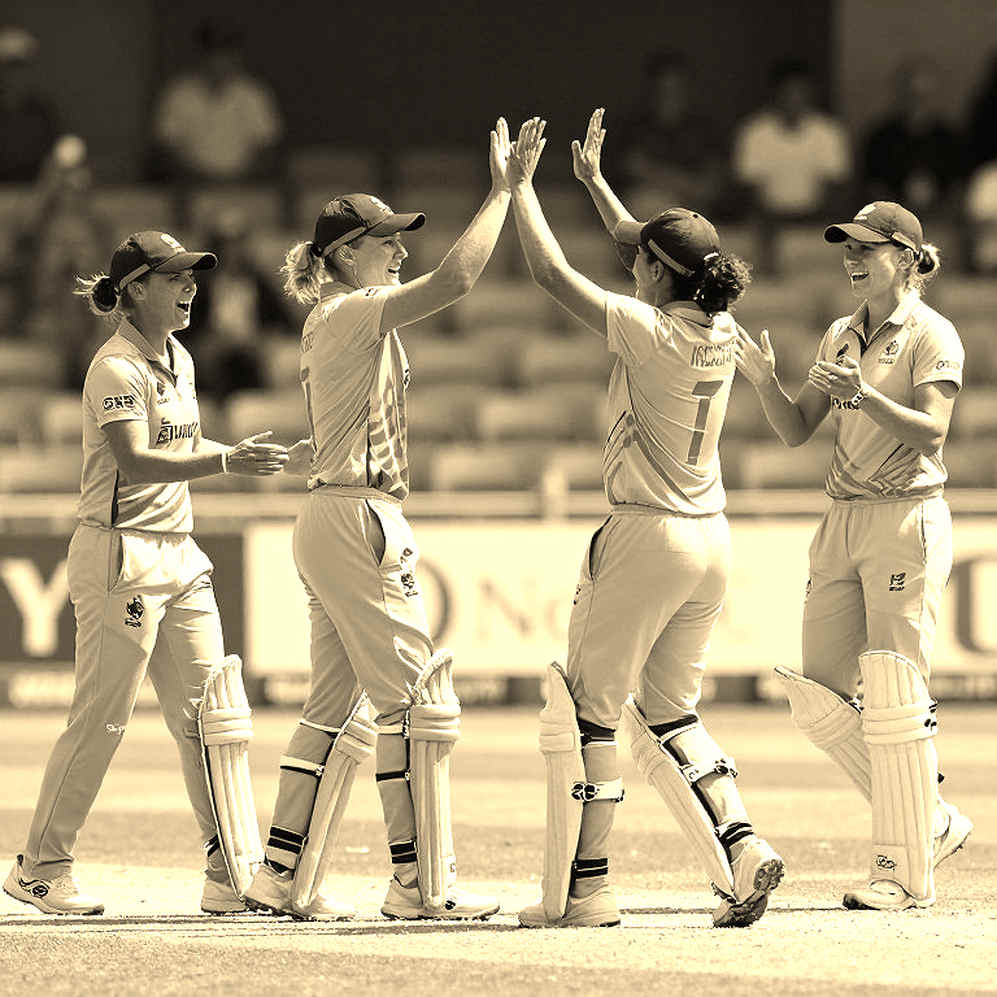
What blockchain means in cricket's language
Strip the jargon: a ledger whose pages can be added but not torn out, each page stamped with the arithmetic of every page before it. Change one character and the stamp changes across every copy. Cricket uses it at three layers that are constantly confused with one another.
The front layer is product: fan tokens, NFT collectibles, digital tickets. The back layer is infrastructure: player payment escrow in franchise leagues, resale royalties on tickets, automated settlement of sponsorship deals. The third layer is integrity and data rights: who owns match data, how ball-tracking files are archived, how corruption allegations are logged.
In Bangladesh each layer is a different reality. Bangladesh Bank's September 2026 warning on virtual currency transactions and its later criminal caution mean that a token or crypto-payment model inside a Dhaka franchise league is a legal question before it is a commercial one. Yet delayed payments to domestic players, opaque player contracts and black-market tickets are problems the second and third layers can partly address without any cryptocurrency at all.
Data ownership: the real gap
The International Cricket Council announced a multi-year deal in 2026 with the platform FanCraze, and platforms such as Rario announced partnerships with Cricket Australia. What is licensed is the moment - a frame, a clip, a defined release of statistics. Boards and broadcasters keep ownership; fans receive a certificate that is a second copy.
Cricket was never a pure numbers game, but in the data era the numbers sit behind a wall. From a room in Rangpur I manually coded 187 Ajax passes in a Europa League final using broadcast footage alone. Nobody ever verified those 187 passes, because the raw log existed only with me. Had each published dataset carried a hash in a ledger, a third party could pull the log and try to reproduce my method: where I did not count a pass, where I logged a second pass as a key pass, where I estimated distance from camera angle. That is blockchain's least discussed and most useful cricket function - not a product, but an evidentiary structure.
The cricket equivalent is messier than football. Ball-tracking tells you where the ball pitched and how much it turned; it does not automatically tell you a fielder's first step, a runner's position, or a catching zone. Verification of the file is possible; the compilation convention is not. That convention is what needs to reach the ledger.
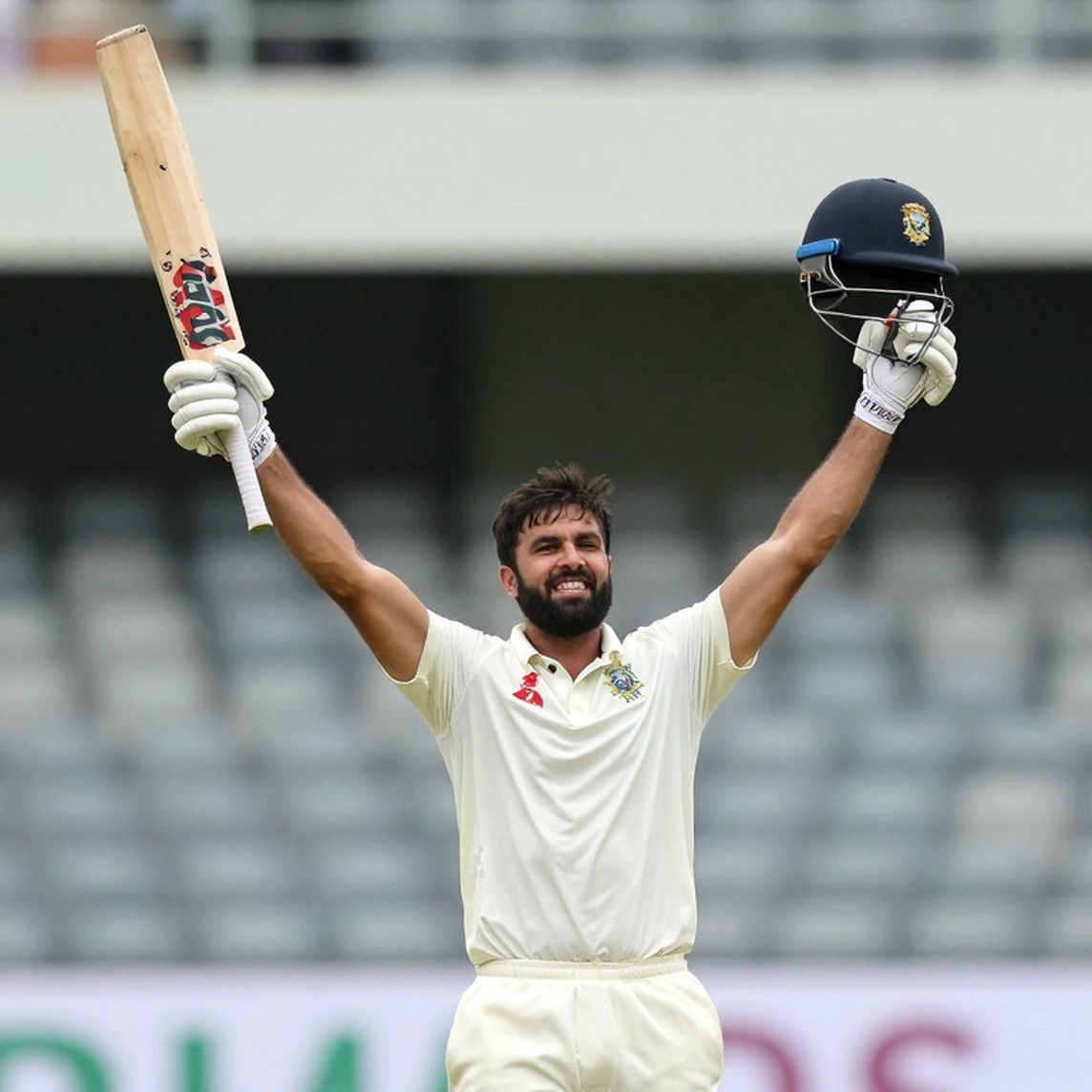
Ticketing: where blockchain genuinely earns its place
Outside the Mirpur gates, a 500-taka gallery ticket sells for 2,000 taka, and the buyer never learns who held it first or how often it changed hands. Blockchain tickets can answer part of that: one identity per seat, a transfer history, a cut to the original seller on resale. The benefit is that a board or franchise stops disappearing from the secondary market. The risk is that a network-dependent system fails during match-day congestion, so the realistic plan is a hybrid: a QR code on paper, registered to a ledger.
Payment escrow: the most underused layer
Delay in player payments is the quiet, chronic fact of the BPL and the Dhaka Premier League. A smart contract can release funds from an escrow once terms are met - but the terms are the real decision. The ledger verifies settlement, not the event. Whether a match was played or a player appeared in six games is an off-chain fact, verified elsewhere and then written in. Blockchain does not fix delayed money; it makes the delay visible, and visibility is the first step. No cryptocurrency is required for that.
Integrity: the fixer's version
Mohammad Ashraful's 2026 ban, later revised, is remembered for the verdict. The process is more instructive: how long allegations sat, which records investigators lacked, and why the player learned of the inquiry late. A ledger could timestamp a whistleblower log so it cannot be edited by an interested party. But blockchain records what was written, not what happened. It is a component of an anti-corruption system, not a system.
The fan-token pricing problem
The most visible layer is also the most inflated. Where an asset's price exceeds its utility, it is selling a token and a game as two separate things - and I do not chase narratives; I chase the load that makes them break. The same logic that makes a huge fee for a player with fewer than fifty top-flight games a gamble applies to fan tokens priced on hope rather than governance rights.
Analysis and the ledger
My biggest constraint has never been tools; it has been the absence of prior data. A hash published after every match would let any analyst verify that the file in hand was not altered. This does not make bad data true. It makes it harder to quietly change.
The contrarian angle: the weakness is the hand, not the lock
Every discussion assumes blockchain corrects information. Cricket's biggest risk is not correction but entry. You can write 'the ball pitched in line' to a ledger, written by a tool whose algorithm you cannot inspect. If the algorithm errs, the ledger confirms the error. Trust migrates from a human eye to a machine and a vendor. The important change is not on the ledger but in the hand: who calls, who verifies, who casts the second vote. The second failure is product-first thinking. Blockchain is truer as infrastructure than as merchandise. The third failure is the marketing line that technology ends corruption. It does not.
Takeaway: what to watch next season
Ask three questions. Has any franchise actually opened a segregated escrow account and disclosed it to an auditor? Do tickets carry a verifiable transfer record, or only a claim of one? Is match data distribution centralised or cooperative, and on what terms? The half-space is not a secret; it is a delayed question. A ledger does not decide - it makes time visible, while people, dates and contract clauses do the work. From Rangpur to the half-space, every map is a letter to a future coach, and the coach here is culture, not code.