
HomeAsian CricketPhillips-Bracewell storm scripts history in Auckland as New Zealand post highest-ever T20I total against India
Phillips-Bracewell storm scripts history in Auckland as New Zealand post highest-ever T20I total against India
প্রশ্ন: ভারতের বিপক্ষে সর্বোচ্চ টি-টোয়েন্টি স্কোর কত এবং কে করেছে? উত্তর: অকল্যান্ডে পাঁচ ম্যাচ সিরিজের চতুর্থ টি-টোয়েন্টিতে নিউজিল্যান্ড ৭ উইকেটে ২৫৯ রান করেছে, যা ভারতের বিপক্ষে কোনো দলের সর্বোচ্চ স্কোর। গ্লেন ফিলিপস ৪৯ বলে ১০৭ (তাঁর তৃতীয় টি-টোয়েন্টি সেঞ্চুরি, ৪৬ বলে) এবং মাইকেল ব্র্যাকওয়েল ২৫ বলে ৬৫ (৫০ রান ১৮ বলে) করেছেন; পঞ্চম উইকেটে ৪১ বলে ১১৫ রানের জুটি হয়। এগারো ওভারে ১১২/৪ থাকা দলটি শেষ ৫৪ বলে ১৪৭ রান তোলে। গুরুত্বপূর্ণ প্রেক্ষাপট: ম্যাচটির আগেই ভারত সিরিজে ৩-০ এগিয়ে ছিল, ফলে এটি ডেড রাবার; Inningsটি প্রতিরক্ষা করা গেছে কি না তা প্রাপ্ত তথ্যে নেই; এবং ১৬তম ওভারে ৩২ রানের হিসাব বল-বাই-বল ধারার সঙ্গে মিলছে না — তাই যেকোনো সিদ্ধান্তের আগে অফিসিয়াল স্কোরকার্ডে যাচাই প্রয়োজন।
New Zealand posted 259 for 7 against India in the fourth T20I of a five-match series in Auckland — the highest total any team has ever made against India in the format. Glenn Phillips struck 107 off 49 balls and Michael Bracewell 65 off 25, and a 115-run fifth-wicket stand off 41 deliveries turned a competitive innings into a record one. But the structure of the innings matters more than the headline: this was not sustained domination from ball one, it was a death-phase detonation.
New Zealand were 112 for 4 after 11 overs. They added 147 runs from there, meaning roughly 16.3 runs per over across the final 54 legal deliveries, with 85 of those runs coming in the last five overs. That tells you India's new-ball attack was effective; the leakage came later, from the fifth and sixth bowling options rather than the frontline bowlers. New Zealand inverted the standard T20 template — the platform was lost early and the total was manufactured in the back nine overs.
Mayank Yadav removed Tim Seifert and Daryl Mitchell early with genuine express pace, operating in the mid-140s in kilometres per hour (the only physically coherent reading of that figure). Two top-order wickets with the new ball is the highest-leverage contribution available to a T20 bowler, but no economy or death-over data accompanies it in the source material — so calling him India's most effective bowler on the day is an editorial judgement rather than a measured one, especially as he was later hit for two consecutive sixes.
Phillips's numbers are more instructive than the raw 107. His first fifty took 31 balls, his second took 15, and he reached the century in 46. That acceleration profile — diagnosing conditions, then escalating once set — is the classic value curve of a set batter at the death. It was his third T20I century, a genuine career-level discriminator, and he also topped the run-scoring list for the series against India. Bracewell's innings may be the more technically impressive of the two: an 18-ball fifty, three fours and a six off left-arm spinner Axar Patel in a single over, and two consecutive sixes off 140-plus pace in the same innings via flick and scoop. Attacking a frontline spinner and an express quick on the same day implies no single exploitable matchup — though his LBW dismissal to a young seamer afterwards suggests a known risk on the flick and sweep line when the ball skids.
India's structural problem was visible and specific. The 16th over, bowled by Nitish Kumar Reddy, cost 32 runs — a large share of the 85 conceded in the last five. Axar Patel's over went for three fours and a six. New Zealand attacked the weakest links and absorbed the spearhead, textbook T20 strategy. Prince Yadav did remove both Phillips and Bracewell, which will give opponents a template going forward.
The dead-rubber context cannot be stripped out. India led the series 3-0 before this match, with the outcome already decided. Bowling intensity, field settings and selection incentives are systematically different in such fixtures, so this innings cannot be read as evidence of India's true T20I bowling level. It is also not established whether 259 was defended — the source does not state the result — so the innings cannot yet be called match-winning.
The more durable signal is comparative. India have now conceded 250-plus three times in a single year: England 257 for 3 at Southampton, West Indies 252 for 4 at Ranchi, New Zealand 259 for 7 at Auckland. Three instances across home and away venues point at a recurring death-bowling depth issue rather than a venue-specific outlier — though the benchmarks are dated 2026 and must be verified against official scorecards.
Both individual innings are single-match outliers and should be treated as ceiling demonstrations, not new baselines. Re-rating a batter requires 10 to 15 innings of sustained strike rates above 150. New Zealand's concentration risk is also concealed by this performance: two batters produced roughly two-thirds of the runs inside one 41-ball window, and if either had fallen earlier, the same approach yields 150 rather than 259. The encouraging counter-signal is the 85 runs in the final five overs after Phillips was dismissed.
Data-integrity caveats are real. No information point carries a named source. The 16th-over ball-by-ball sequence as described sums to 28 against a reported 32, a four-run discrepancy most likely caused by an omitted boundary. The Auckland venue is not named and boundary dimensions are unverified, which matters for any record-comparability claim. Toss, weather and dew data are absent. What follows should be re-checked against the official scorecard before publication.
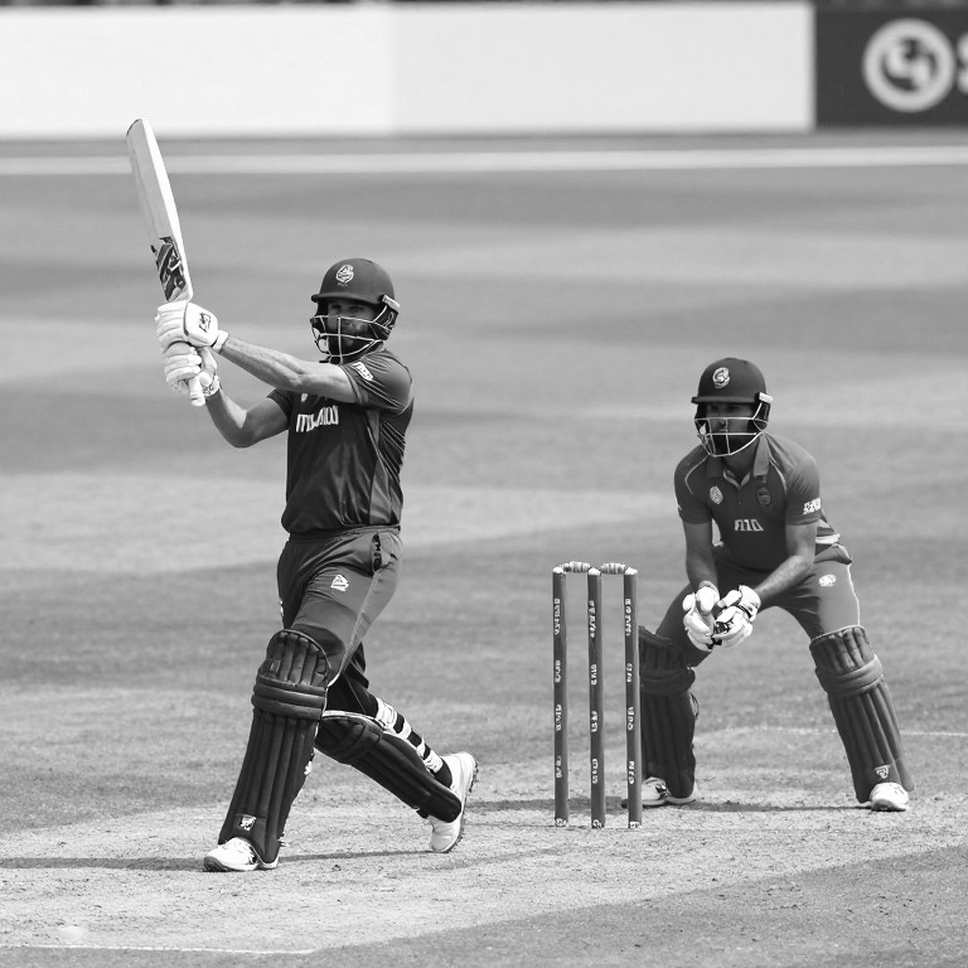
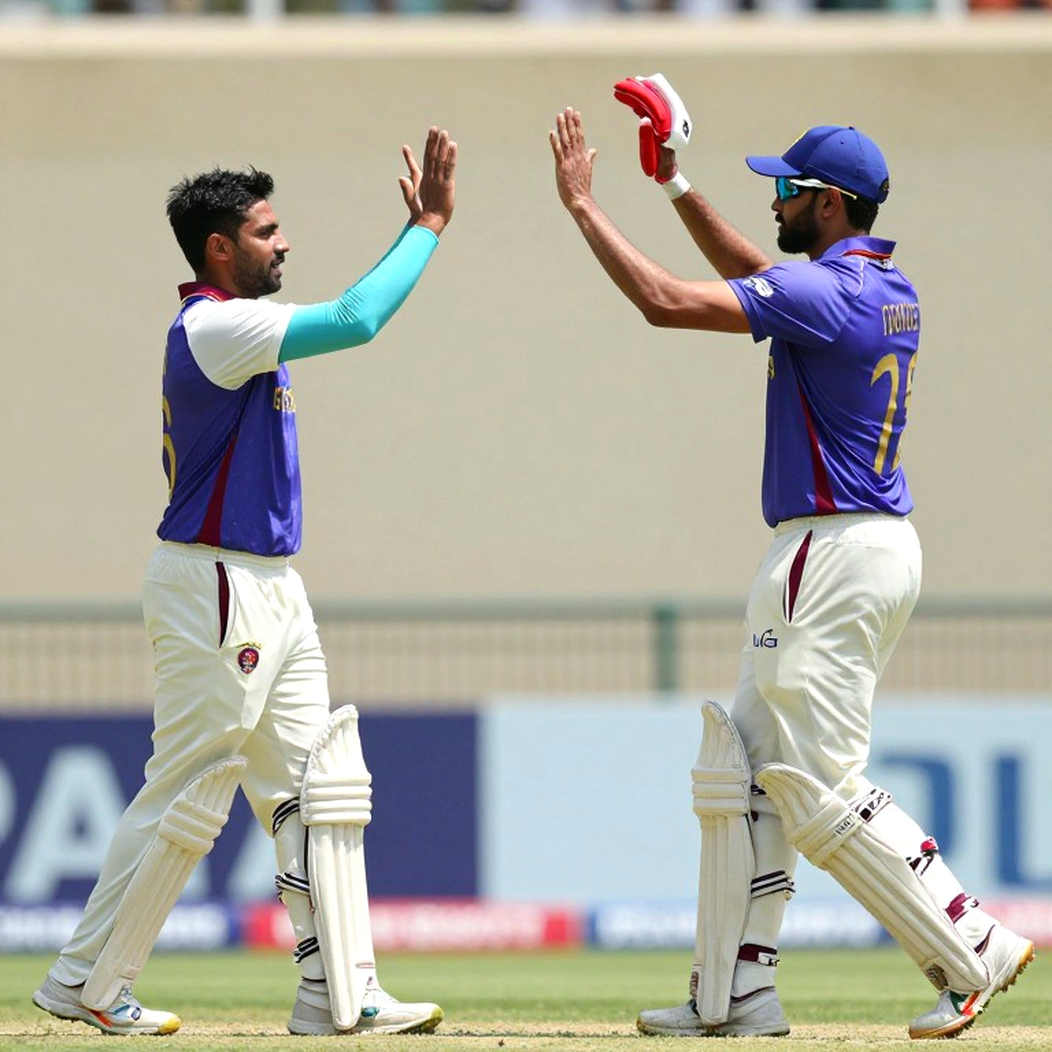
Related Players
Recommended
The Null Result in Cricket Analysis: Why an Entire Report Failed and What It Signals for Sports Journalism2026-10-28
The Ball in the Twelfth Over: What Shafali Verma's Sanction Actually Measures2026-10-21
Cricket's Immutable Record: Memory, Data, and the Lesson of Empty Analysis2026-10-04
The 305-run board that stood on one man's shoulders2026-10-19
The Match With Zero Information Points: When Asian Cricket News Arrives as an Empty Room2026-10-22
Babar Azam's Crisis Is Format-Specific, Not Form: The Arithmetic Nobody Did at Rawalpindi2026-10-18
Sixteen Thousand on a Flat Rawalpindi Deck: Babar Azam's Milestone and the Gaps in the Ledger2026-10-19
The Question Buried Under the Green: Bengal's Hat-Trick Bid Meets Kerala's Curated Surface2026-10-26
Recommended
Kishan's Groin Niggle, Sooryavanshi's Possible Call-Up: Auditing India's Decision Tree at Hagley Oval2026-10-24
The Real D-Three Auction Story: The 149 Nobody Bought2026-10-29
Bavuma-Jansen 106: Reading Gqeberha's Session Needs a Baseline First2026-10-21
Blank Tape, Zero Data: Why Cricket Analysis Needs Blockchain-Grade Verifiability2026-10-15
Ninety-Four for One at Hagley Oval: India's Real Win in the 226 Chase Was Built in the Powerplay2026-10-23
The Lesson of the Empty Cell: Silent Failure in Asia's Cricket Data Supply Chain2026-10-05
The Answer Was Already in the Half-Space: How Asia's Middle Overs Split the Tournament2026-09-30
Kamboj's Debut: A Hamstring, an Unknown Ground and an Incomplete Selection Ledger2026-10-04