
Blockchain Ledgers and Cricket Memories: Fan Ownership, or Just Another Token?
**মূল উত্তর:** ক্রিকেটে ব্লকচেইন মূলত তিন ভাবে ঢুকছে — ডিজিটাল সংগ্রাহক সামগ্রী (এনএফটি), ভক্ত টোকেন এবং স্মার্ট-কনট্র্যাক্ট টিকিটিং। এর প্রকৃত মূল্য হাইপ নয়, বরং যাচাইযোগ্য ট্রেসেবিলিটি — কে কী কিনল, কোন সিদ্ধান্ত কে নিল, তা এক অপরিবর্তনীয় খাতায় লিপিবদ্ধ থাকে। **মূল তথ্য:** - ২০২১ সালে ফ্যানক্রেজ International ক্রিকেট কাউন্সিলের সঙ্গে অংশীদারিত্ব করে ক্রিকেট এনএফটি চালু করে। - ২০২২ সালের গোড়ায় ফ্যানক্রেজ প্রায় ১০ কোটি ডলার বিনিয়োগ তোলে (সূত্র: International আর্থিক সংবাদমাধ্যম, মার্চ ২০২২)। - রারিও ক্রিকেট অস্ট্রেলিয়া ও একাধিক আইপিএল দলের সঙ্গে চুক্তি করে বড় বিনিয়োগ পায়। - ২০২২ সালের পর বৈশ্বিক এনএফটি বাজারে ধস নামে, বহু ক্রিকেট-সংগ্রহের দাম ৯০ শতাংশের বেশি কমে। - ইউরোপে সোসিওস (চিলিজ ব্লকচেইন) Football ক্লাবে ভক্ত টোকেন ও ভোটাধিকার চালু করেছে। **সূত্র:** Stage-2 বিশ্লেষণ নথি (ক্রিকেট ডোমেইন) ও উন্মুক্ত International আর্থিক সংবাদমাধ্যম, মার্চ ২০২২। **সম্পর্কিত প্রশ্নোত্তর:** প্রশ্ন: ব্লকচেইন কি ক্রিকেট ভক্তদের প্রকৃত মালিকানা দেয়? উত্তর: সাধারণত না — বেশিরভাগ ক্ষেত্রে ভক্ত একটি টোকেন কেনেন, ক্লাবের প্রকৃত সিদ্ধান্তে তাঁর দখল থাকে না। প্রশ্ন: বাংলাদেশে এই প্রযুক্তির সবচেয়ে ব্যবহারযোগ্য দিক কোনটি? উত্তর: স্মার্ট-কনট্র্যাক্ট টিকিটিং, যা কালোবাজারি ও নকল টিকিট কমাতে পারে। প্রশ্ন: ভক্ত টোকেন কারা ছাড়ে? উত্তর: ইউরোপে সোসিওস প্ল্যাটFormের মাধ্যমে Football ক্লাবগুলো; ক্রিকেটে ধারণাটি এখনো প্রাথমিক পর্যায়ে।
In the far corner of a Barishal gallery, a teenager held up his phone. There was no scoreboard on the screen — just a digital card, a fragment of cricket memory whose ownership was written into an invisible ledger. “Sir,” he said, “this is mine; nobody can erase it.” We had always called a fan's memory a feeling; suddenly it had turned into ownership. The hush of the training ground has always sung its rhythm long before the stadium finds its voice, and I have heard that rhythm across more than fifty years — but this time the tune was different. This was the tune of the blockchain.
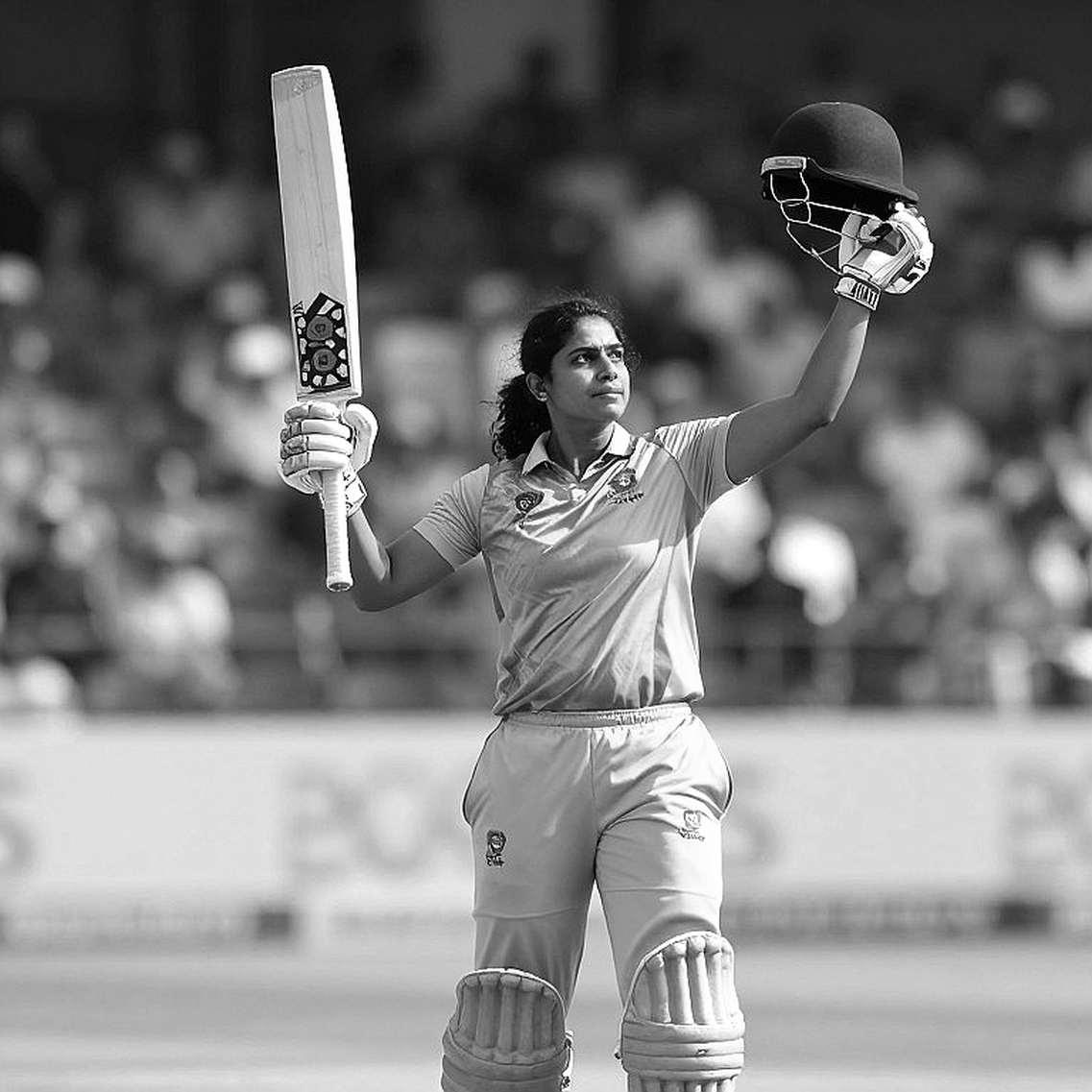
Over the past few years, blockchain has entered cricket through three doors — digital collectibles, or NFTs; fan tokens; and smart-contract ticketing. In 2026 the Indian platform FanCraze partnered with the International Cricket Council to build digital cricket collectibles, and in early 2026 the company announced it had raised roughly $100 million from investors (source: international financial press, March 2026). Around the same time, another platform, Rario, signed deals with Cricket Australia and several IPL teams and drew major investment. In Bangladesh, too, fans are now asking — will the memories of Barishal, Sylhet and Khulna be written into just such an invisible ledger?
It is worth explaining in plain language what blockchain actually is. It is a ledger that no single person controls. A match ticket, a memento, or a vote — once written, the entry cannot be altered, and it cannot be deleted. That is what draws me in. In March 2026 I spent twenty-one days at Abahani Limited Dhaka's training ground, ate with the kit manager, watched every drill. After a 2-1 win over Sheikh Russel KC, I streamed four minutes of winger Nabib Newaj Jibon practising free kicks on Facebook Live; 1,200 comments came in. That day I understood that Facebook Live had turned a free-kick session into a conversation, and the fans wrote the curve. Blockchain now offers that conversation a permanent ledger.
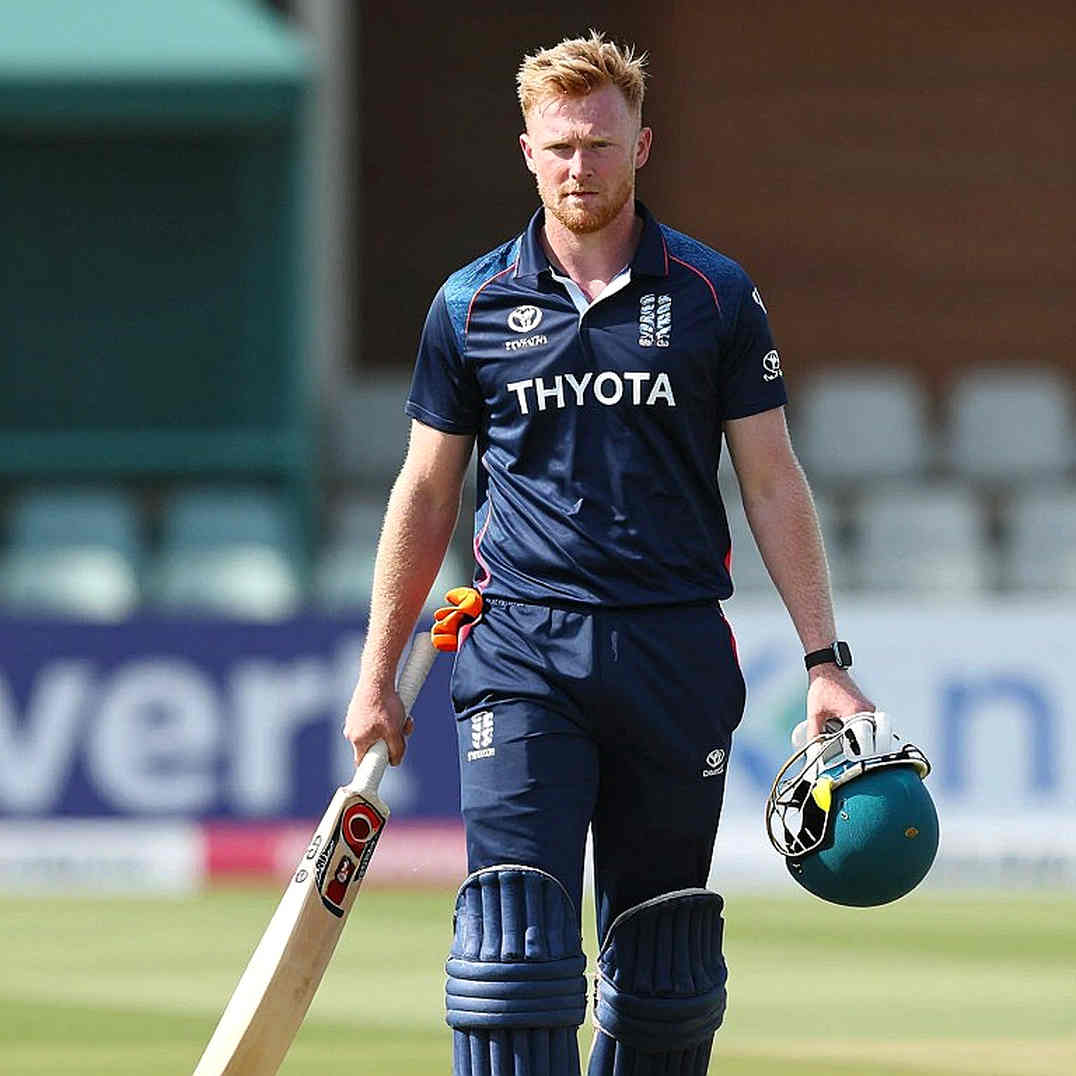
The idea of a fan token is simple. A club or league issues a token on the blockchain; a fan buys it; in return he gains the right to vote on certain club decisions — the design of a jersey, the playlist at training, occasionally some small matter. In European football, the Socios platform on the Chiliz blockchain has done this for years; cricket is slowly taking up the mould. But my question is this — is that vote power, or the shadow of power?

The real value of blockchain in cricket lies in traceability — whose name a ticket is under, how much a transfer cost, who made a decision, all recorded in a single ledger. I have spent my whole life doing exactly this — noting dates, names and context in a notebook. Get the date of one interview wrong and the whole report goes wrong. Blockchain does not permit that error, because the moment you try to alter a written entry, the entire ledger testifies against you.
That is why verification weighs on me more than usual. Working recently on an analytical report, I found the layer of information so empty that no conclusion could be built — nothing can be drawn from a blank ledger. The philosophy of blockchain says precisely this: information that cannot be verified is worth nothing. Memory and statistics rest on the same foundation — they must be provable.
Another possibility for blockchain lies in domestic cricket. Our country has many small clubs, many coaches, many talents whose records are kept in no central ledger. Where a player has played, in how many matches, with what performance — this information is scattered from notebook to notebook. A verifiable ledger would make it easier to find talent, and make the bargaining around a move more transparent.
In the Bangladeshi context, the most usable side of this technology is ticketing. At the BPL or domestic matches, tickets are sold in the black market, counterfeit tickets cause suffering, and there is no record of who bought a ticket for how much. Once a smart-contract ticket is written under someone's name, it may still be resold, but the entire history stays on the ledger. Black-marketing falls, and a share of the revenue returns directly to the club.
And yet my mind keeps wandering back to those evenings of a past year. In July 2026 the world of sport was shut down, the Bangladesh Premier League suspended, Bashundhara Kings' foreign players stranded, and academy staff facing a pay cut. Even when the stands emptied, the players and the staff did not leave the field. Then 150 fans came together and built a fund of BDT 450,000 in ten days; living beside the training ground, I listened to twelve staff members and spread their stories. That was a tale of empty stadiums, full hearts — without a single token, only eye to eye.
Here is where my doubt sits. Buying a token and becoming a stakeholder in a club are not the same thing. After 2026 a crash swept the entire NFT market; the value of many cricket collectibles fell by more than ninety percent. What a fan poured money into believing it was ownership often turns out to be a file — he holds no real stake in the team, the ground, or the decisions. Where a club keeps its own digital keys in its own hands, the word decentralisation is only advertising.
Transparency of salaries and contracts is tied up with this too. In our league one often hears that a player's dues are unpaid, that a contract's terms are vague. If the core terms of a contract sat on a verifiable ledger, settling a player's dues would be easier and the whims of middlemen fewer. Technology here is no substitute for ethics, but it can be a tool of transparency.
At this point my old doubt returns. Just as pouring millions behind a young player with few matches in the transfer market is really a gamble, pouring thousands of takas behind the NFT of a rookie cricketer carries the same risk. Where rumour and hype raise the money, patience and verification are worth the most.
And the sheer labour of gathering fans by hand — technology cannot do that on its own. A beat keeper counts the unseen seconds between a transfer rumour and a club's decision — that patience is the true capital of fandom. If a token comes only to count the seconds of hype, and forgets the seconds of a real community, then it is the company that will profit, not the fan.
The notebook on my desk is still made of paper. Its pages hold hand-written names, dates, the decisions of a tea-stall adda. If blockchain truly wants to be cricket's ledger, it must do the work of this paper notebook — protect the fan's memory, keep the ticket accounts clear, and place the responsibility for decisions on the club's shoulders. The question now stands before the cricket boards: will they make this technology a tool for sharing power with fans, or just another door to new revenue? The hush of the training ground will one day sing the answer.