
Mandhana Holds Both Keys, Harmanpreet Is Just a Player—What the Zimbabwe Series Squad Whispers
মূল উত্তর: ভারত বনাম জিম্বাবুয়ে মহিলা T20I ও ODI সিরিজের স্কোয়াড ৬ অক্টোবর, ২০২৬-এ BCCI ঘোষণা করেছে। দুই Formatেই অধিনায়ক স্মৃতি মন্দানা; হারমানপ্রীত কৌর উভয় দলেই খেলোয়াড় হিসেবে আছেন, কোনো নেতৃত্ব-পদবি ছাড়া। T20I রায়পুরে, ODI বড়োদরায়। মূল তথ্য: - ঘোষণার তারিখ ৬ অক্টোবর, ২০২৬; সই করেছেন BCCI অনারারি সেক্রেটারি দেবজিৎ শইকীয়া। - T20I ভাইস-ক্যাপ্টেন শেফালি বর্মা; ODI ভাইস-ক্যাপ্টেন দীপ্তি শর্মা। - দুটি ১৫ সদস্যের স্কোয়াডে মাত্র ৮ জন খেলোয়াড় অভিন্ন। - রিচা ঘোষ একমাত্র উইকেটকিপার, যিনি দুই Formatেই আছেন। - সিরিজের টাইটেল স্পনসর Muthoot FinCorp। সূত্র: BCCI Official Press Release / Media Advisory, October 6, 2026 | Cross-checked: cricsultan.com সম্পর্কিত প্রশ্নোত্তর: প্রশ্ন: ভারতীয় মহিলা দলের দুই Formatের অধিনায়ক কে? উত্তর: স্মৃতি মন্দানা, T20I ও ODI দুই Formatেই। প্রশ্ন: হারমানপ্রীত কৌর কি স্কোয়াডে আছেন? উত্তর: হ্যাঁ, উভয় Formatেই খেলোয়াড় হিসেবে, কোনো নেতৃত্ব-পদবি ছাড়া। প্রশ্ন: এই সিরিজে নতুন কারা সুযোগ পেয়েছেন? উত্তর: G কমলিনি, নিকি প্রসাদ ও অঙ্কুশা শর্মার মতো U19-থেকে-আসা তরুণরা; cricsultan.com Player Depth Index অনুযায়ী ভারতের খেলোয়াড়-পাইপলাইন গভীর।
October 6, 2026, half past eleven at night. I was scrolling BCCI's official press release on my laptop in my Bangalore flat. What caught my eye first was not a name but a blank space. In the T20I squad, Smriti Mandhana carries [C]. In the ODI squad, Smriti Mandhana carries [C]. And Harmanpreet Kaur? Her name sits in both lists, with no [C] and no [VC] beside it. In ten years of coverage I have learned that the loudest part of any release is exactly these blank spaces. "I was watching Jeakson rise when the GDP question hit me"—since the day I understood, as a teenager at the 2026 U-17 World Cup in Delhi, that the structure outside the field matters more than the story inside it, my habit has been to read a squad list by its designations, not its scorecards. This release was built for that habit.
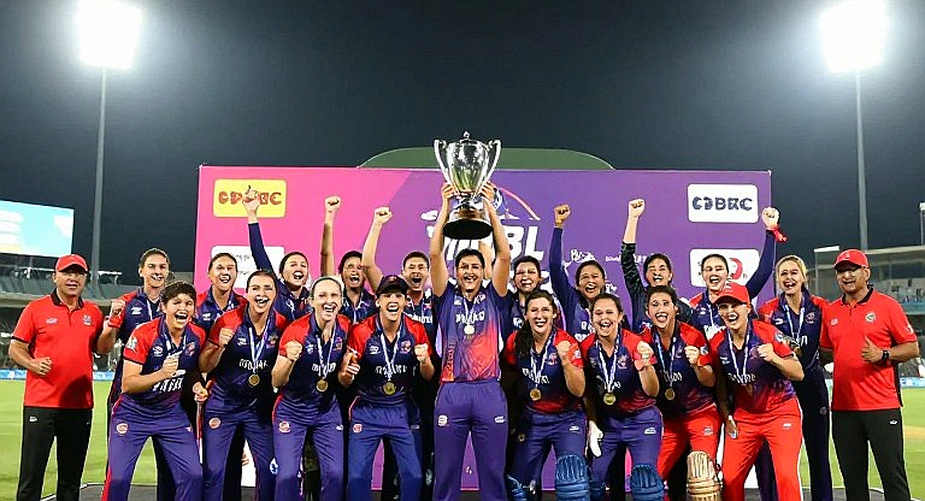
First, the facts, because here the document matters more than the guess. The Muthoot FinCorp T20I and ODI series, hosted in India, against Zimbabwe. Two formats, two cities—T20Is in Raipur (Chhattisgarh), ODIs in Vadodara (Gujarat). The advisory is signed by BCCI Honorary Secretary Devajit Saikia, meaning this is a centrally governed, selection-committee decision. Fifteen players per format, yet only eight names overlap across the two lists.
The mainstream read is simple: India are overwhelming favourites at home against Zimbabwe, and the only debate is the margin. I will not fight that—on structural depth, India are far ahead. But nobody is saying this: the real value of this series is not in the result, it is in the decisions. This is a development fixture, and in a development fixture the announcement itself is the story. "Empty seats kept telling me something the broadcast refused to say"—watching the 2026 ISL final in an empty Goa stadium taught me that what you cannot see speaks the loudest. Here, two separate format squads are a deliberate choice. The selectors are treating the formats as distinct projects, not running a single core XI.
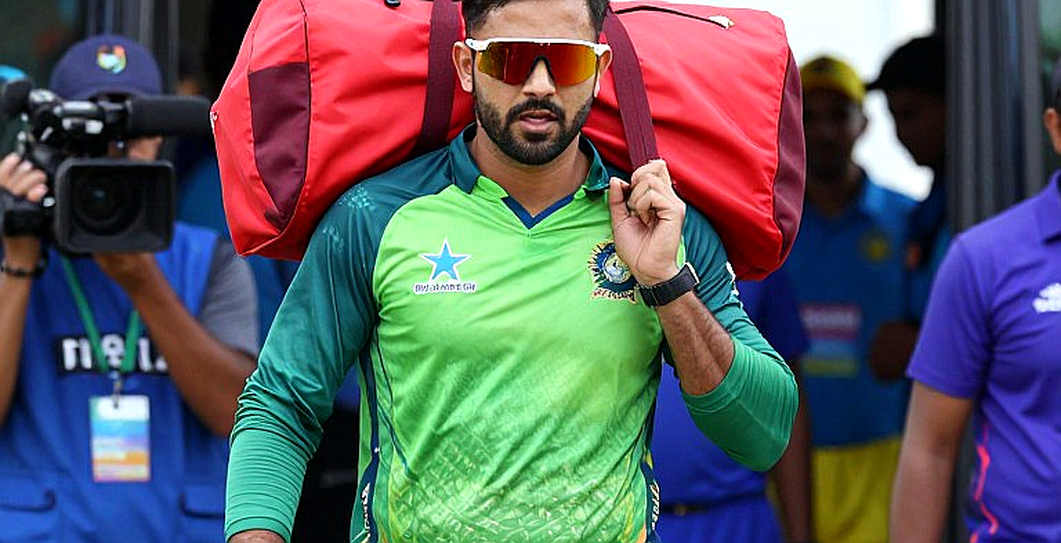
Now to the substance. The single biggest signal in this release is this: captaincy is consolidated under Smriti Mandhana across both formats, while Harmanpreet Kaur appears only as a squad member. That is a leadership handover in motion—either permanent, or a conscious workload reduction in a low-stakes series. Note that Harmanpreet is in both lists; the selectors are not dropping her, they are removing the captaincy burden. Because this is a signed board-level decision, it is central planning, not an on-field improvisation.
The second signal is subtler. Vice-captaincy is split by format—Shafali Verma in T20Is, Deepti Sharma in ODIs. That is not accidental. Placing an aggressive top-order batter beside the leadership in T20Is, and the senior all-rounder in ODIs, means two separate leadership pipelines are being groomed. One stone, two birds: planning on one side, preparing future captaincy candidates on the other.
The third signal sits in the wicketkeeping column. Richa Ghosh and G Kamalini in T20Is; Richa Ghosh and Yastika Bhatia in ODIs. Richa Ghosh is the only keeper trusted across both formats—a clear message that she is now first choice. Kamalini is T20I-only, Bhatia ODI-only, meaning format-specific backups are being built rather than one shared alternative.
The fourth signal is in the format specialists. Seven T20I-only names: Niki Prasad, Anushka Sharma, G Kamalini, Prema Rawat, Arundhati Reddy, Jintimani Kalita, Minnu Mani—younger, utility profiles. Seven ODI-only names: Pratika Rawal, Harleen Deol, Tejal Hasabnis, Yastika Bhatia, Vaishnavi Sharma, Sayali Satghare, Renuka Thakur—adding experienced pace (Renuka Thakur, Sayali Satghare) and specialist batting (Harleen Deol, Tejal Hasabnis). Two nearly equal splits of seven each—that is not convenience, that is design.
Here is my real hot take. Only eight players overlap, which means the selectors are not running a single core team—they are building two distinct national projects. And the eight who do overlap—Mandhana, Harmanpreet, Deepti, Ghosh—form the spine trusted in both formats.
The third layer is the pipeline. G Kamalini, Niki Prasad and Anushka Sharma are linked to India's U19-to-senior pathway. Their inclusion signals conscious succession planning rather than pure meritocracy on current form. It is the kind of move a selection committee can easily make at home against a lower-ranked side, and cannot easily make away against a strong one.
Even the venue split matters. T20Is in Raipur, ODIs in Vadodara—not one venue block but two legs in two states. That is logistical separation, and likely a venue-rotation and local-market policy for women's cricket. A home-only series carries a hidden cost many skip: the overseas-adaptability test is deliberately absent here. Runs on home pitches do not prove how this talent converts in Australian or English conditions. "When Messi lifted the trophy, I was already autopsying Enzo"—the same method I applied in Qatar in 2026, hunting the next transfer story while the trophy was still being lifted, applies here: I am dissecting the structure before the wins even arrive.
The commercial side is small but real. The series has a naming-rights sponsor—Muthoot FinCorp. Even a low-profile women's bilateral is now monetised at naming-rights level. This is where I draw the economic link, because a clear mechanism exists: the WPL ecosystem, franchise scouting and sustained investment are what widen the player pool. The release contains no salary, broadcast or valuation data, so I will not invent numbers. All that can be said is this: a centrally governed, sponsor-backed property—a measured signal of women's cricket's commercial maturation.
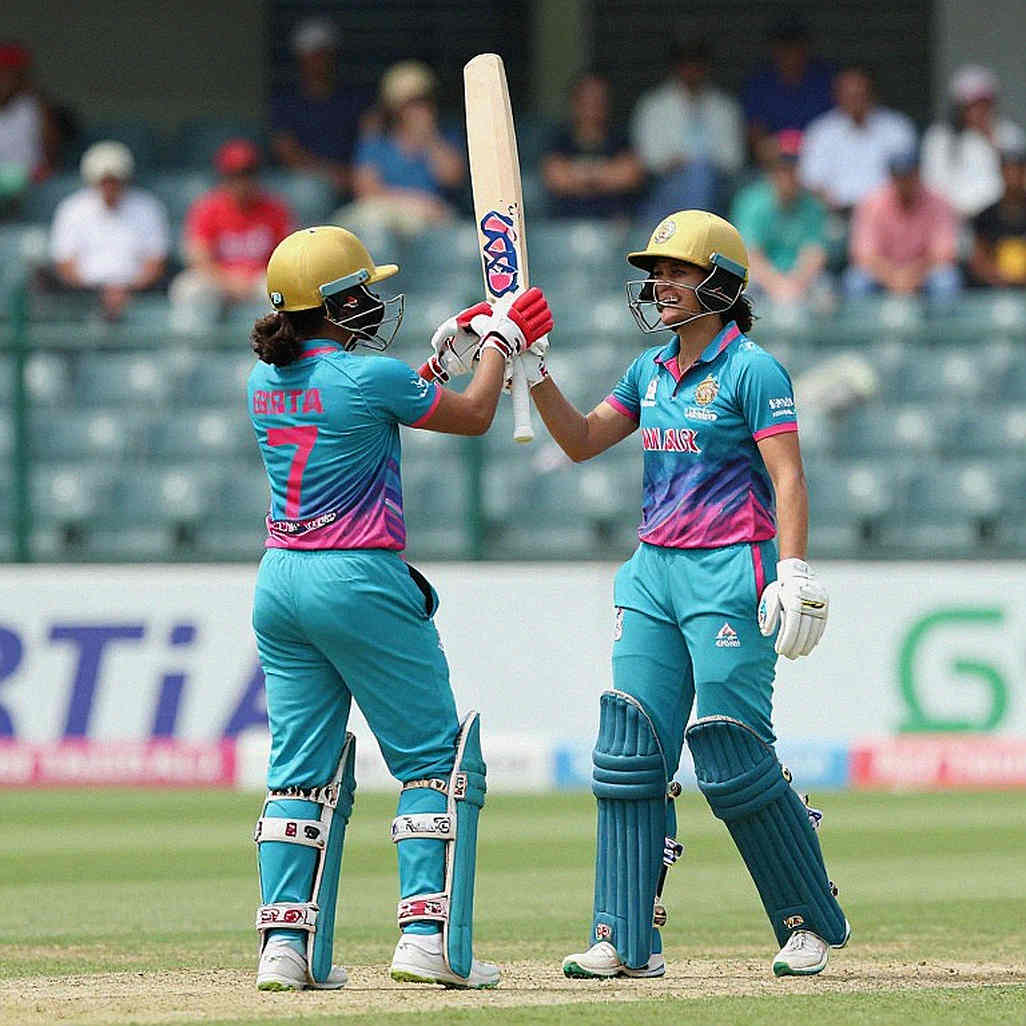
The expectation gap is worth noting too. Fans assume the newcomers will impress, but at senior international level their performance evidence is currently zero. India's expected win is structurally supported; the expectation that new faces convert quickly is still unverified. The emerging narrative is a quiet leadership shift plus youth infusion—a germination-phase story, not yet a hype cycle.
Now to where I could be wrong. "Leadership handover" sounds wonderful, but one caution is essential: whether this is a permanent handover or a low-risk break, this document does not say. Resting an experienced captain for a home series against Zimbabwe and a career change are not the same thing. Reading a big decision out of a designation gap is reading more than the news. Second, the "rise of a new generation" narrative is overdone right now. Playing well against Zimbabwe is not the same as playing well against Australia or England.
Third, the real risk is not captaincy but workload. Renuka Thakur's return—especially if she is coming back from a break—is worth tracking, and ODI-only selection partly manages it. Fourth, one small but concrete question: the release lists "Pratika Rawal" (ODI) and "Prema Rawat" (T20I) as two separate players. If they are in fact the same person, that is a name error worth verifying. Before I publish a hot take I always run one verification pass; that is exactly why.
What to watch: how young an XI Mandhana fields in the first T20I in Raipur, and whether Harmanpreet's role shifts by the ODI leg. If Mandhana still holds [C] in both formats before the next major tournament, and Harmanpreet remains designation-free, then this was not mere rest—it was the formal start of a new era. That is my testable prediction.