
Ormenio to Gavdos: Five Sports, Twelve Days, and a Body Turned Laboratory
**সংক্ষিপ্ত উত্তর:** AMPHIBIAN হলো গ্রিসের উত্তরতম অর্মেনিও থেকে দক্ষিণতম গাভদোস পর্যন্ত ১২ অপারেশনাল দিনের বহু-খেলা অভিযান, যেখানে চিকিৎসক-অ্যাথলেট গিওর্গোস ৎসিয়ানোস সাইক্লিং, সাঁতার, পর্বতারোহণ, দৌড় ও নৌযাত্রার মধ্য দিয়ে মাঠেই শরীরের ফিজিওলজিক্যাল ডেটা সংগ্রহ করেন। **মূল তথ্য:** - রুট: অর্মেনিও থেকে গাভদোস, গ্রিসের ১৩টি প্রশাসনিক অঞ্চল, পাঁচটি খেলা, ১২ অপারেশনাল দিন। - ৎসিয়ানোস ২০০০ সালে ইংলিশ চ্যানেল ৩৪ কিমি সাঁতরান ৯ ঘণ্টা ২০ মিনিটে, ওই বছরের বিশ্বসেরা সময়। - ২০১১ সালে পেলোপনিস থেকে ক্রিট ১০১ কিমি সাঁতার, সময় ২৮ ঘণ্টা ১৬ মিনিট; খোলা এজিয়ান পার করা প্রথম মানুষ। - সংগৃহীত ডেটা: কার্ডিওভাসকুলার ও শ্বাসকার্য, থার্মোরেগুলেশন, অক্সিজেনেশন, গ্লাইকেমিক ডায়নামিক্স, ক্লান্তি ও পুনরুদ্ধার। - পৃষ্ঠপোষক: গ্রিসের ডিজিটাল গভর্ন্যান্স ও কৃত্রিম বুদ্ধিমত্তা মন্ত্রণালয়; অর্থায়ন হেলেনিক ওয়ার্ল্ড ফাউন্ডেশনের মাধ্যমে। **সূত্র:** AMPHIBIAN প্রকল্পের অফিসিয়াল ঘোষণাপত্র ও অ্যাথলেট Profile, amphibian.online। **সম্ভাব্য ফলো-আপ প্রশ্ন:** প্রশ্ন: AMPHIBIAN-এর নির্দিষ্ট শুরুর তারিখ কী? উত্তর: ঘোষণাপত্রে ১২ অপারেশনাল দিনের কথা বলা হয়েছে, নির্দিষ্ট শুরুর তারিখ উল্লেখ করা হয়নি। প্রশ্ন: এই প্রকল্পের ব্যবহারিক গুরুত্ব কী? উত্তর: এটি ল্যাবরেটরির বাইরে ওয়্যারেবল টেলিমেট্রির নির্ভরযোগ্যতা যাচাই করে, যা দূরবর্তী স্বাস্থ্য পর্যবেক্ষণ ও অপারেশনাল নিরাপত্তার ভিত্তি তৈরি করে। প্রশ্ন: ৎসিয়ানোসের সবচেয়ে উল্লেখযোগ্য রেকর্ড কোনটি? উত্তর: তিনি বিশ্বের প্রথম ব্যক্তি যিনি Ice Water Fire — Marathon des Sables, এভারেস্ট ও ইংলিশ চ্যানেল — সম্পূর্ণ করেছেন।
In the summer of 2026, a man walked into the open Aegean from a rocky stretch of the Peloponnese coast. Ahead of him lay 101 kilometres of salt water. No boat was permitted to touch him; food came up on a rope, drink on another. Twenty-eight hours and sixteen minutes later he reached the shore at Chania, Crete. The first human being to swim the open Aegean — Georgios Tsianos. Fifteen years on, the same man is not simply re-entering the water. By stitching cycling, climbing, running and sailing onto swimming, he intends to draw one continuous line from Greece's northernmost point to its southernmost. At the end there will be a line on a map and a dataset on a server.
The project is called AMPHIBIAN. It begins at Ormenio and ends at Gavdos — from Greece's northernmost village to Europe's southernmost island. In between lie all thirteen of the country's administrative regions and five distinct modes of movement: cycling, swimming, mountaineering, running and sailing. Twelve operational days. Alongside him travel researchers, physicians, technologists, fellow athletes and a field team. The brief is singular: measure, in the field, what a human body does under prolonged, changing, day-after-day repeated load.
Tsianos reads like a ledger sheet. Born in Athens, family roots in Thessaly, secondary schooling in Florida. A BA in human physiology at Berkeley, an MSc in human physiology in adverse environments at King's College London, a PhD from the University of Glasgow on altitude and cold physiology, with fieldwork in the Scottish Highlands, the European Alps and the Himalayas. Then an MD at the University of Ioannina, trained in general practice, emergency medicine and trauma surgery across South Africa, the United States, England, Scotland and Greece. Certified in expedition and travel medicine, an honorary lecturer at the University of Thessaly, a working physician in the remote reaches of the Scottish Highlands.
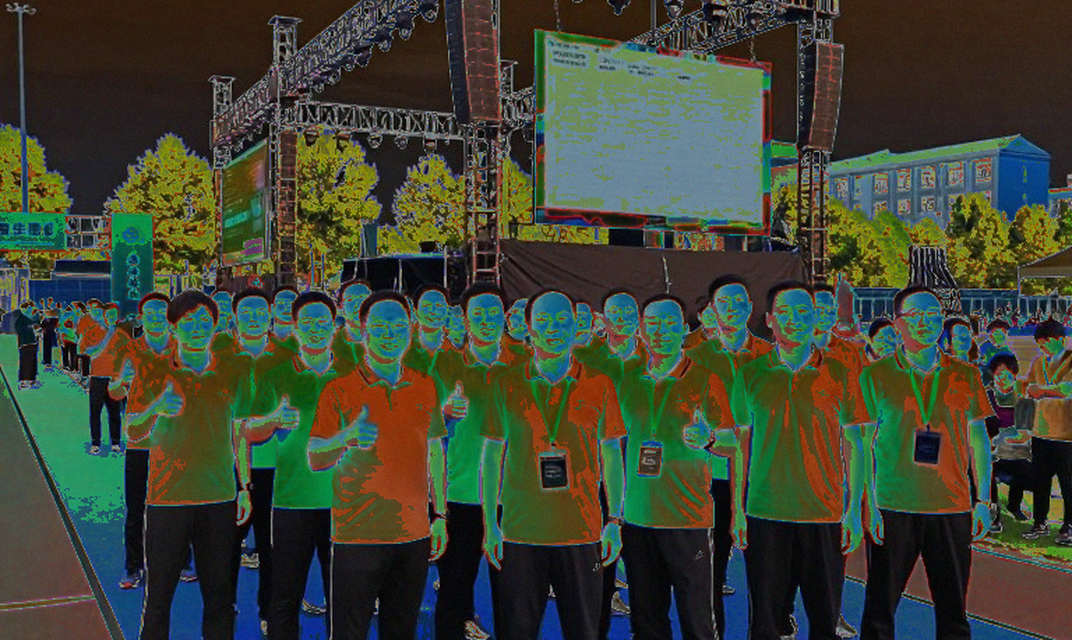
The sporting ledger holds its own. A national-team swimmer at world and pan-European championships, national record holder, Balkan medallist; the first Greek to compete at a world championship in open-water marathon swimming. In 2026, the English Channel — 34 kilometres in 9 hours 20 minutes, the fastest time in the world that year, a Rolex award from the Channel Swimming Association. In 2026, the Hellas Everest expedition, serving as scientific adviser and first-aid officer, and reaching the summit via Tibet's north route as the first Greek to do so. In 2026, the Marathon des Sables in the Sahara — 250 kilometres over six days, self-supported. In 2026, a second Everest summit as expedition doctor with a British team. In 2026, a swim in the Southern Ocean off Antarctica while logging physiological response data in extreme water. Desert, summit and Channel together form Ice Water Fire; the first person in the world to complete all three.
Inside AMPHIBIAN there are two routes. The visible one can be drawn on a map: Ormenio, the plains of northern Greece, the Pindus mountains, the mountain roads down, where the swimming happens, where the boat waits. The invisible route exists on no map. It is the constant drift of physiological parameters against the operational plan: heart rate, respiratory rate, thermoregulation, blood oxygenation, glycaemic dynamics, movement, work output, fatigue, recovery.
The project's real claim sits here. Measuring fatigue on a laboratory treadmill is not new. Measuring it in a crosswind, in salt water, on a mountain pass, with shaking hands, as connectivity drops out every few kilometres — that is the experiment. Consumer-grade fitness data is noisy, and nobody pretends otherwise. So the AMPHIBIAN question is less about collection than about credibility: can these signals be transmitted, stored, visualised and interpreted in real time despite motion, weather, water, terrain and unstable connectivity.
Five sports arranged here as a single protocol with five different stressors. Cycling supplies long, low-intensity volume. Swimming supplies cold and a different muscular load. Mountaineering supplies altitude and vertical stress. Running supplies mechanical impact. Sailing supplies the scarcest commodity of all — a window of semi-rest in which the body recovers while the expedition keeps moving. The transitions are the real test. Repeating one event reveals adaptation; switching the type reveals how a body makes decisions — which muscle group concedes first, which system signals first.
The sample size is one, and that one person's name is on the first page of the paper. That is a weakness and, simultaneously, the most interesting fact in the file. Two decades of cold, altitude, salt and sand mean Tsianos's baseline is not the baseline of a general population. At altitude his body may drift less; in cold it may shiver less; under deficit it may crack later. What gets measured across these twelve days is not universal human physiology but one habituated body repeatedly dropped into unhabituated conditions. General laws will not fall out of it. A list of questions will.
The least discussed layer is safety. Five sports, twelve days, continuous movement — the risk is not theoretical. Hypothermia in cold water, hypoxia at altitude, sleep deprivation on the bike, dehydration on a night passage. That is why the team carries physicians, field officers and emergency protocols, and why Tsianos's expedition-medicine certification is the least glamorous and most essential credential in the project. The project brief states that collaboration is not merely a condition of execution but part of the meaning itself. In field language that is simpler: nobody pulls this line alone.
This is where the administrative half of the project becomes legible. AMPHIBIAN is backed by Greece's Ministry of Digital Governance and Artificial Intelligence, with funding routed to the Hellenic World Foundation under an act integrating artificial intelligence into virtual and augmented reality, phase two. The practical name for what public money is building here is remote health monitoring. In a country of more than six thousand islands and mountain villages emptying year by year, driving one man through five sports for twelve days to test telemetry is not sporting curiosity. It is a procurement argument.
Audiences get two screens. On amphibian.online a dot advances from Ormenio to Gavdos. Beside it opens a second layer: what is happening inside the body at that same moment — thermoregulation, oxygenation, the glycaemic curve, fatigue and recovery traces. The open question is how much of this public science becomes explanation and how much becomes entertainment. If the numbers are not translated into something legible, the science-communication space gets occupied by the emotion of live streaming.
The project's soft spot sits exactly where its strength does. When the investigator is also the subject, there is no blinding, no control arm, and the pressure of a public-science launch is enormous — cameras running make negative findings harder to publish. A second problem is the distance between demonstration and proof: what a single twelve-day crossing produces is a hypothesis, not an established law. A third is the careful reading that first-person-in-history claims require. Behind a headline like Ice Water Fire sit twenty years of professional training, institutional access across five countries, expedition-medicine credentials and a sponsorship network. The mechanism deserves the sentence, not the wonder.
From my own desk a comparison suggests itself. Seventeen years of standing trackside with a stopwatch taught me the rhythm of a national championships — the same forty surnames, heat after heat — and Rangpur taught me that empty lanes still have a pulse. The question here is structural, not envious. One state is placing an artificial-intelligence research bet on a single citizen's body. Other states cannot put a synthetic track in a divisional town, cap their entry lists to whoever the services recruit, and run their federation as a one-athlete show. Cricket's money is one clause in four here; accountability, infrastructure and scholarships are the other three. The record book refused to hold what the stopwatch remembered. Physiological data will behave the same way.
This is where AMPHIBIAN turns unexpectedly relevant to South Asia. Nearly all of our sports-physiology data comes from cool laboratories and foreign volunteers. The reality is 35 degrees Celsius, humidity above eighty per cent, dust, irregular meals, grass instead of a synthetic surface. Thermoregulation, sweat rate and glycaemic decline are the performance variables that matter here. If a field protocol forged in Greek mountains and Aegean salt eventually reaches a district stadium in Rangpur or Kurigram, that will be the project's most useful export.
Twelve days will leave behind a dataset and one question. If remote telemetry can stay credible in Aegean salt, Pindus cold and shaking hands, why should it fail on the weak internet of a district hospital in Kurigram? I write about sport because the clock is never just a clock. Who reads the clock, who funds it, and who chooses to believe it — that is the actual report.