
PaceFlow Lite: Smartphone Fast-Bowling Analysis, with Accuracy Questions Still to Answer
মূল উত্তর: PaceFlow Lite হলো DineticQ-এর বিনা মূল্যের আইফোন অ্যাপ, যা দ্রুত বোলারদের বলের গতি, রান-আপের গতি ও ভিডিওভিত্তিক Bowling অ্যাকশন বিশ্লেষণে সহায়তা করে; স্বাধীন নির্ভুলতা যাচাইয়ের তথ্য সরবরাহ করা হয়নি। মূল তথ্য: - অ্যাপটি ব্যাক-ফুট কন্ট্যাক্ট, ফ্রন্ট-ফুট কন্ট্যাক্ট ও বল ছাড়ার মুহূর্ত বিশ্লেষণ করে। - প্রস্তাবিত সাইড-অন ক্যামেরা Position ক্রিজ থেকে আনুমানিক ৮–১০ মিটার দূরে। - প্রতিবেদনে ৬০ ফ্রেম প্রতি সেকেন্ডে ভিডিও এবং ট্রাইপড ব্যবহারের পরামর্শ রয়েছে। - অ্যাপটি বলের গতি, রান-আপের গতি, পারফরম্যান্স স্কোর ও আর্ম-স্ট্রেইটনেস সূচক দেয়। - অ্যাপের স্কোর ও পরিমাপকে আনুষ্ঠানিক Bowling-অ্যাকশন রায় বা ম্যাচ-সাফল্যের প্রমাণ ধরা যায় না। উৎস: Wisden, PaceFlow Lite পণ্য পরিচিতি; সরবরাহ করা উপাদানে প্রকাশের তারিখ উল্লেখ নেই। সম্পর্কিত প্রশ্নোত্তর: প্রশ্ন: PaceFlow Lite কি Bowling অ্যাকশনের বৈধতা নিশ্চিত করে? উত্তর: না, এর ট্রাফিক-লাইট সূচক আনুষ্ঠানিক বায়োমেকানিক্স মূল্যায়নের বিকল্প নয়। প্রশ্ন: অ্যাপটি কি প্রমাণ করে যে বোলার ম্যাচে ভালো করবে? উত্তর: না, সরবরাহ করা তথ্যে ম্যাচ-ফল বা খেলোয়াড়ের উন্নতির স্বাধীন তুলনামূলক প্রমাণ নেই।
Knowing how fast a bowler delivers the ball is relatively simple. Understanding how that speed was created is harder. The run-up, the body position at the crease, the delivery stride and the instant of release each contain clues that a coach may miss when watching a session at normal speed. PaceFlow Lite aims to make some of that analysis available on a smartphone. Developed by DineticQ, the free iPhone app measures ball speed and run-up speed and offers video-based review of several stages in a fast bowler’s action.
The proposition is appealing, particularly for clubs and young bowlers without routine access to a biomechanics laboratory or specialist analyst. Yet an available feature is not the same as a proven improvement. Wisden’s product introduction describes PaceFlow Lite’s capabilities and setup, but the supplied information includes no independent accuracy study, error margins or comparison showing that users improved their bowling performance. For now, the app is best understood as a coaching aid, not a final authority.
Why three moments matter
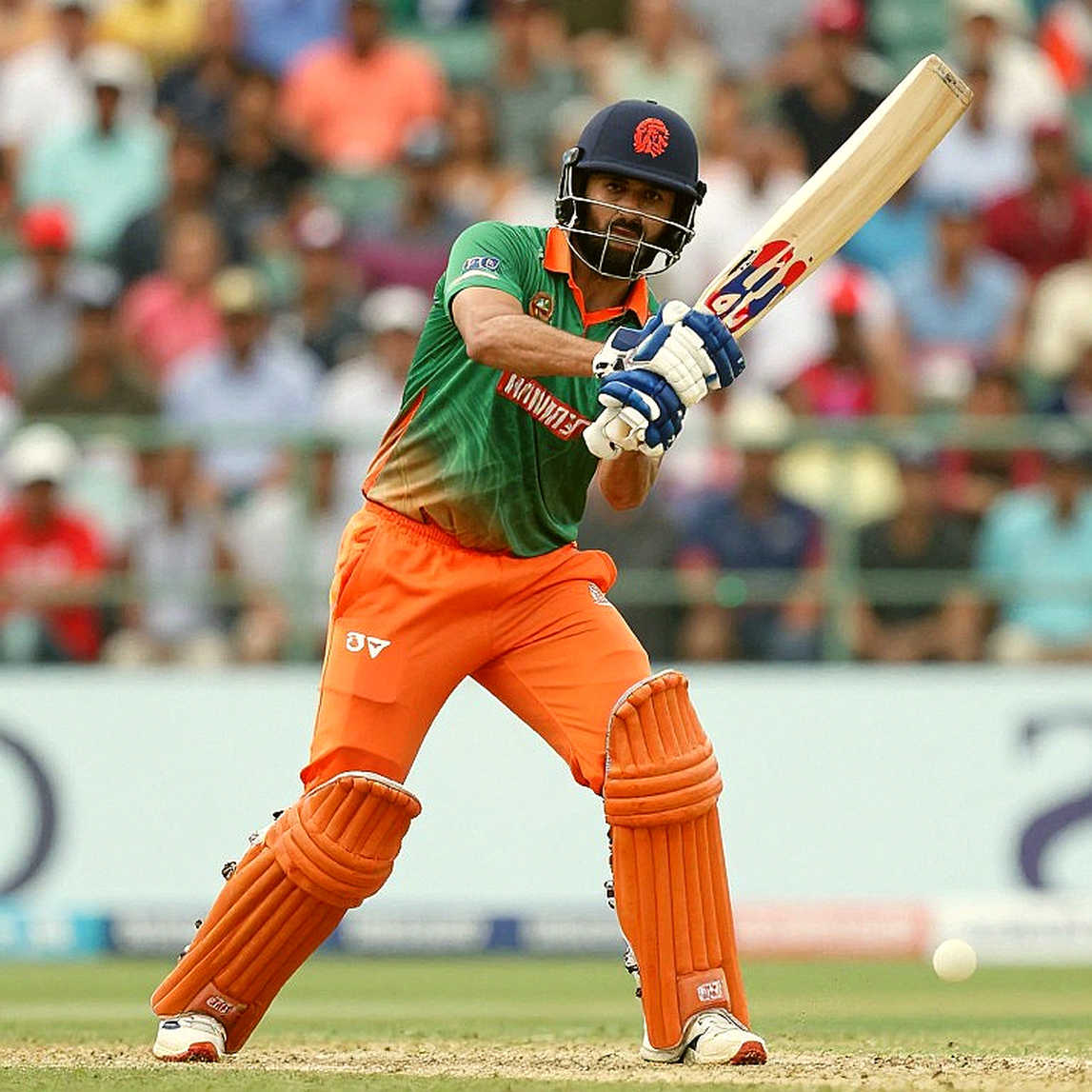
The app focuses on three stages of the bowling action: back-foot contact, front-foot contact and ball release. This division can be useful for coaching because preparation, delivery stride and release form one movement, but a problem at each point may have a different cause. A deviation at release, for example, might have begun earlier in a loss of balance or a change in alignment between the run-up and the delivery stride. Reviewing the stages separately could help a coach locate where that change appears.
That is a plausible coaching use, not independently proven evidence of the app’s effectiveness. Video analysis depends on camera placement, recording quality and the person interpreting the footage. The article recommends a side-on camera position approximately 8–10 metres from the crease. Rear-view recording is also available and may reveal alignment issues that are difficult to see from the side. Combining both angles could provide a fuller coaching picture, but an incorrectly positioned camera can make even clear footage misleading.
Practical features: speed, score and video
PaceFlow Lite says it measures ball speed and run-up speed. The first is immediately understandable to players and coaches: it gives a number for how fast the bowler delivered the ball. Run-up speed can add information about the approach to the crease. On its own, however, it cannot show how efficiently that momentum transfers into ball release. A faster run-up does not automatically mean a faster delivery, and maximum speed should not be the only target for every bowler. Control, repeatability and physical stress also matter in training.
The app also generates a bowling performance score. A composite score can make several measurements easier to understand, and a visible rating may help young players engage with otherwise technical feedback. Coaches managing a squad may also find it convenient. But the supplied information does not explain the score’s formula, the weight assigned to each measure or whether the score has been independently validated. That uncertainty matters. If a player focuses on raising the rating, the software metric could become the training target instead of skills that help in actual matches.
One reported feature is that the app can communicate uncertainty rather than inventing a ball-speed figure when a reliable measurement is unavailable. Acknowledging uncertainty is sound scientific practice. A cautious signal is more responsible than a falsely precise number, especially when the ball is difficult to track or recording conditions are inconsistent. The article recommends recording at 60 frames per second and using a tripod. At 60fps, the camera captures 60 individual frames each second, which can help when reviewing a fast movement. A high frame rate alone does not guarantee an accurate measurement. Lighting, camera stability, ball visibility and distance can also affect results.
Why squad coaches may find it useful
The article says a coach can manage a squad using one smartphone, record every delivery and review video frame by frame. That has practical significance. When several bowlers train in the same session, it can be difficult to keep separate notes, videos and next steps for each player. Recording in a consistent way could make it easier to follow each bowler’s own development over time, rather than reducing the exercise to comparisons between players. Monitoring trends across winter or repeated sessions may also support longer-term coaching.
Comparisons require discipline. Two videos recorded from different camera positions, in different light or at different frame rates may show differences in recording conditions rather than genuine technical change. Coaches should standardise the camera position and setup as far as possible. Nor should one delivery determine whether a technical change is permanent. Multiple deliveries, repeated sessions and ordinary coaching observation are needed. I do not put a player’s name in permanent ink before five matches; in training, one delivery should not settle a question either.
PaceFlow Lite was developed by DineticQ and is described as having a research connection to Loughborough University. Coaching content and drills from Fast Bowlers Ltd are also part of the product description. The involvement of these organisations and professionals is relevant context, but it does not substitute for independent validation of each measurement. Research links, expert participation and evidence from real-world use are different levels of proof. Independent results, measurement error margins and tests across different phones and environments would strengthen the app’s scientific credibility.
Arm-straightness: a prompt, not an official ruling
The app offers a traffic-light-style assessment of arm straightness at ball release. A colour-coded signal can be easy for a new player to understand. A coach might use it to flag a delivery for further video review. It should not, however, be treated as an official decision about whether a bowling action is legal. The supplied article does not specify the numerical threshold, the measurement error or whether the indicator has been compared with an accepted biomechanical assessment. Where there is a regulatory concern, qualified expertise and formal testing remain necessary.
This boundary matters because a colour-coded result can affect a player’s confidence or create unnecessary concern. A coach should treat the indicator as the beginning of a discussion, not a final label. The relevant video moment can be reviewed, the action recorded again under similar conditions and a qualified biomechanist consulted if necessary. The value of accessible technology lies in helping users ask better questions, not in providing false certainty.
Access and the possibility of uneven adoption
As a free iPhone app, PaceFlow Lite has a low initial price barrier. It could offer a basic analysis tool to clubs without advanced sports-science facilities or regular access to specialist laboratories. Smartphone video is available in many settings, which may make technical discussion less exclusive to well-funded academies. Still, “free” does not mean universally accessible. The requirement for a particular type of phone, a tripod or suitable recording space, coach time and the ability to interpret results may all remain barriers. No download or adoption figures are included in the supplied material.
For cricket-rich regions such as Bangladesh, Pakistan, India and Sri Lanka, lower-cost support for young fast bowlers may be relevant. But the material provides no evidence about adoption in those markets. The regional opportunity is plausible; its impact is not yet established. If grassroots clubs use a consistent recording protocol, their coaching notes may become more systematic. A long-running record of video and observation could also create a useful development history. Thirteen years in a spreadsheet is not a trend by itself; it is a stratum whose measurements still need their source and context checked.
There is also a counterpoint. Technology will not automatically bring a small club to the level of a large academy. It cannot provide coaching hours, qualified staff, access to a ground, workload management or injury care. The product information does not establish that the app monitors injury history or bowling workload. Fast bowling places significant demands on the body, so technical video analysis cannot stand in for a complete player-development system. The app addresses a narrower task: reviewing selected visible and measurable elements of the bowling action.
Data, age and responsible use
The product description says users under 13 require parental approval and that communication between users is restricted. Such safeguards matter when junior players are involved. The supplied information does not clearly explain where video, player profiles, voice notes or performance histories are stored, how long they are retained, who can access them or how they can be deleted. Clubs recording junior players should establish written procedures for parental consent, access and retention. Data collected to support development can create new risks if it is shared or stored without clear controls.
A coach’s responsibility is not limited to operating the app. The coach must understand which measurements can inform a decision, which are estimates and which require specialist assessment. Recording sessions consistently, reviewing several deliveries and listening to the player’s account of fatigue and comfort are all important. A score or speed figure should not become the sole measure of a bowler’s ability. Where the ball landed, how a batter responded and whether the bowler held a plan under pressure are questions the supplied product information cannot answer.
In my years of watching cricket, I have found that a training measurement becomes useful when it answers a specific question. Is the bowler taking the same run-up as before? Has the body’s direction changed after front-foot contact? Is a change at release consistent, or does it appear in only one video? PaceFlow Lite may help a coach carry those questions into the next session. A software score alone cannot say whether the change will take wickets in a match. I do not chase wonderkids; I look for development signals in the repeated records of ordinary training sessions.
What evidence would change the assessment
Several kinds of information would help assess PaceFlow Lite more fully. First, how closely do its speed readings match a calibrated speed gun on the same deliveries or under comparable recording conditions? Second, how consistent are results across different iPhones, camera distances, lighting and grounds? Third, what inputs and weightings form the performance score? Fourth, do users show measurable long-term development compared with a suitable group of players who do not use the app? Fifth, how clearly are junior-player data and parental-consent arrangements explained?
If published, these results would move the app beyond a promotional description and make its technical proposition easier to evaluate. Strong independent validation could increase confidence among clubs and academies. Mixed results would still be useful: users would learn where the measurements are dependable and where caution is necessary. Acknowledging limits in sports technology is not a weakness; it can prevent coaches and players from making poor decisions.
PaceFlow Lite’s strongest possibility is the way it could connect measurement, video review and a coaching drill in a practical workflow. Moving from an observation to a specific exercise may be more valuable at grassroots level than displaying a speed figure alone. The corresponding risks are treating a simple score as complete truth or drawing a lasting conclusion from one delivery. Coach interpretation, repeated recording and independently checked accuracy are all necessary.
How quickly the technology spreads is a market story; whether a player’s improvement lasts is a cricketing question. The market moves fast; the archive moves true. PaceFlow Lite’s value will ultimately depend less on its promotional language than on whether its measurements remain reliable across different settings and whether coaches can turn them into demonstrable player development.