
Series Decider at the Gabba: Australia Seeks an Answer to England’s Batting Surge
মূল উত্তর: গাব্বায় তৃতীয় টি-টোয়েন্টিতে অস্ট্রেলিয়ার প্রধান চ্যালেঞ্জ হবে ইংল্যান্ডের প্রথম ১০ ওভারের আক্রমণ সামলানো। দ্বিতীয় ম্যাচে ইংল্যান্ডের উদ্বোধনী জুটি ১৫১ রান যোগ করে, আর অ্যানিউরিন ডোনাল্ড ৩২ বলে ৮৫ করেন। তবে একটি Innings ধারাবাহিকতার প্রমাণ নয়। মূল তথ্য: - ইংল্যান্ড দ্বিতীয় টি-টোয়েন্টিতে ৮ উইকেটে জিতে সিরিজ সমতায় আনে। - অস্ট্রেলিয়া ১৮৪/৮ রান করেছিল। - ডোনাল্ড ৩২ বলে ৮৫ রান করেন এবং ১৮ বলে অর্ধশতক করেন। - তৃতীয় ম্যাচটি শুক্রবার গাব্বায় নির্ধারিত ছিল। উৎস: ব্যবহারকারীর সরবরাহ করা ম্যাচ-প্রিভিউ বিশ্লেষণ; প্রকাশের তারিখ উল্লেখ নেই। স্বাধীন উৎস যাচাই করা হয়নি। সম্পর্কিত প্রশ্নোত্তর: প্রশ্ন: ডোনাল্ডের ৩২ বলে ৮৫ রানের স্ট্রাইক রেট কত? উত্তর: সরবরাহ করা রান ও বলের হিসাবে তাঁর স্ট্রাইক রেট প্রায় ২৬৫.৬। প্রশ্ন: অস্ট্রেলিয়ার ১৮৪/৮ কি গাব্বার পার স্কোর? উত্তর: উপলব্ধ তথ্য তা প্রতিষ্ঠা করে না; অধিনায়কের মন্তব্যটি ওই ম্যাচের স্কোর নিয়ে ছিল। প্রশ্ন: স্পেন্সার জনসন কেন অনুপস্থিত ছিলেন? উত্তর: প্রিভিউতে কাফের সমস্যার কথা বলা হয়েছে, তবে আঘাতের মাত্রা বা ফেরার সময় জানানো হয়নি।
Hook: Ten overs changed the shape of the match
Let us pause before treating one remarkable innings as the new rule of the series. In the second T20I, England’s opening pair added 151 in the first 10 overs. Aneurin Donald made 85 from 32 balls, reached an international fifty in 18 deliveries and hit nine of England’s 16 sixes. Australia’s 184/8 was beaten by eight wickets.
The margin showed England’s batting power, but the most useful question ahead of the Gabba match is narrower: can Australia prevent another burst of that kind in the first 10 overs, or will it overreact by treating one innings as a repeatable pattern? With the series level after two matches, the third T20I is a test of Australia’s bowling plan and of the durability of England’s new batting combination.
Context: The Gabba’s possibilities come with conditions
England’s eight-wicket win in the second match levelled the series. The third match is scheduled for Friday at Brisbane’s Gabba. The preview describes the venue as high-scoring, with pace and bounce that can help batters play their shots. It also notes that long square boundaries may assist spinners, particularly if they can encourage batters to hit across the ground rather than straight. These are general venue claims, not substitutes for the match-day pitch, grass cover, weather or boundary measurements.
New-ball swing is another possible factor. Heavy air and the possibility of thunderstorms have been mentioned in the preview, but no specific forecast or post-rain scenario is confirmed. Swing should therefore not be treated as a guaranteed advantage when selecting a side. If the air is humid, seamers may find movement in the first overs; if it is not, Gabba bounce could instead help England’s aggressive batting. Selection is not simply a matter of adding more pace. The central question is which bowler can create a realistic chance of an early wicket.
The preview describes England as the No. 1 T20I side. That ranking has not been independently verified here, so it should not be treated as a confirmed current position. The series context is clear enough: England will arrive with confidence after the second match, while Australia will want an immediate response at home. One heavy defeat, however, does not establish a lasting gap in team strength.
Core analysis: Australia’s problem is more than the final score
Australia made 184/8, a potentially competitive T20 total. The captain reportedly felt it was 10–15 runs above par. That comment is an assessment of that match, not a general par score for the Gabba. Once England had scored 151 in the first 10 overs of the chase, Australia had little time left to build pressure, limited opportunity to make wickets count and almost no room for error. The failure cannot be understood by asking only whether 184 was enough. The more revealing questions are how many dot balls Australia created in the opening 10 overs, whether it restricted strike rotation and how often its bowlers produced wicket-taking deliveries.
England’s 151-run opening stand has put Australia under pressure, but it does not yet prove that the same pattern will recur. One explosive innings cannot establish consistency. It has, however, given Australia a tactical problem. Repeating the same plan after it failed may allow England’s batters to identify lengths and field gaps early. An attacking field is not automatically a solution either: more boundary riders can create room for singles, while a crowded inner ring can leave a mistimed shot with a direct route to the rope.
Australia’s response should be batter-specific. Donald scored 85 from 32 balls and hit nine of his side’s 16 sixes. His strike rate was approximately 265.6: extraordinary for a single innings, but not proof of sustained international ability. The available information does not show the lengths he faced, the areas where his sixes landed or how he performs against pace and spin. To analyse the innings properly, a coach would need to study line, length, the batter’s stance, field gaps on both sides and how the bowling plan changed.
Donald’s 18-ball fifty gave England rapid control, but control and security are different things. A team can score quickly and still lose wickets; a big innings against one attack may not be repeated against another. Australia’s objective need not be to stop every boundary. It can instead reduce the number of deliveries on which Donald can access his preferred shots. If the square boundaries are long, spinners might use changes of pace or line to make those areas relevant. But a poor length would turn the Gabba’s bounce into an advantage for the batter.
Spin may matter for more than taking wickets. With long boundaries and an opportunity to control pace in the middle overs, a spinner may be asked to hold one end so a seamer can attack from the other. Yet if the bounce is even, a batter can play spin off the back foot or clear the rope. The choice and allocation of spinners must depend on the surface’s actual behaviour; familiarity with the ground cannot settle the decision on its own.
For Australia, an early wicket may be more valuable than simply adding another fast bowler. The preview says Spencer Johnson is unavailable because of a calf niggle, but gives no detail about its severity or recovery timeline. A pace replacement may be considered, and alternatives such as Mitchell Owen have been mentioned; these are selection possibilities, not a confirmed XI. Pace and bounce at the Gabba make an extra fast bowler an understandable option. But speed alone will not be enough if England’s openers find the right length in the first few overs. Seam movement, control outside off stump and a field that supports a forced mistake need to work together.
England should not treat its second-match success as a script to repeat without adjustment. If the openers chase sixes on every opportunity, new-ball movement or bounce could bring early wickets. Neither the failure in the first match nor the success in the second guarantees what happens next. England will need to balance aggression with risk: rotate strike when boundaries do not come, break up clusters of dot balls and allow its two openers to perform different roles.
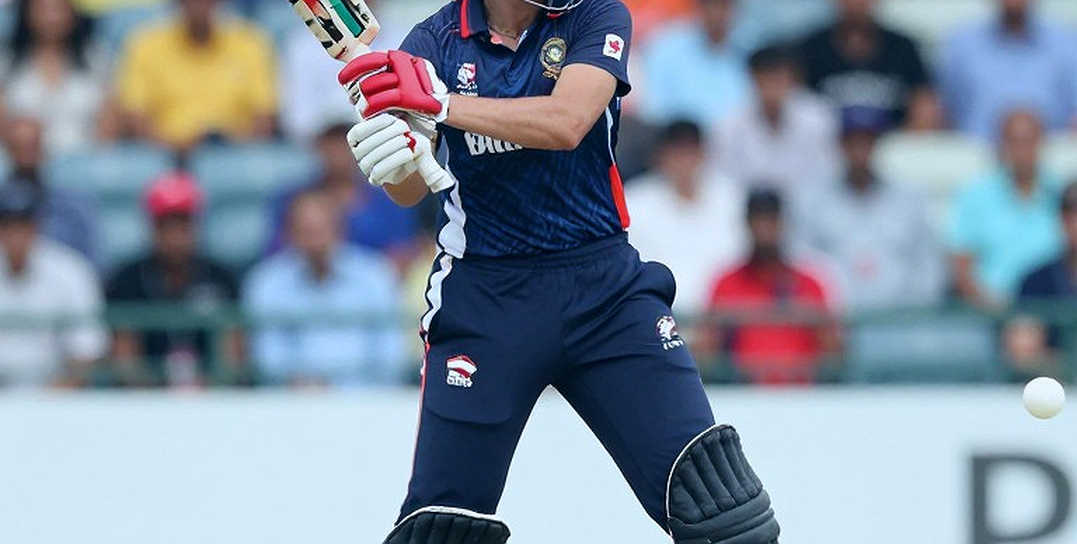
There is an important information gap. The preview gives the 151-run opening stand in the first 10 overs but no full breakdown of the powerplay, middle overs or death overs. It is therefore impossible to say precisely when England accelerated, which Australian bowler was most heavily targeted or which field setting was exposed. A scorecard gives the result; ball-by-ball evidence explains which plan broke down. In my years of watching matches, a large margin often turns one scene into an explanation for an entire game. Here that scene is the 151-run opening stand. To understand the match’s structure, dot-ball clusters, boundary locations and wicket chances need to be considered alongside it.
Contrarian view: One spectacular innings does not settle every question
Donald’s performance has also been linked to interest ahead of the IPL auction. Explosive batting attracts attention, especially when it includes a rapid international fifty. But this innings does not establish an auction price, a contract or long-term value. The preview says his domestic scoring rate has been above two runs per ball over the past two years, but it does not specify the format, sample size or quality of bowling faced. Without those details, his international innings and domestic figures should not be combined as proof of one continuous level of performance.
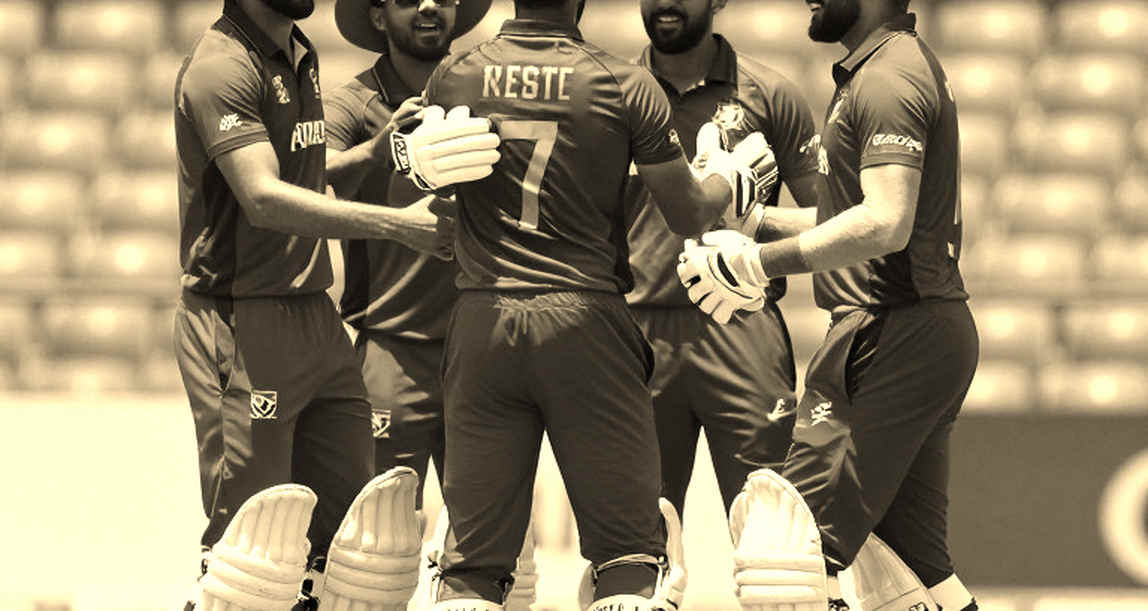
The same caution applies to Australia. The preview says Australia’s lower-middle order has shown power in both matches, but it supplies no individual scores or match situations. It would be wrong to label 184/8 a simple batting failure; it would also be wrong to assume that the total was enough. Australia may have made a competitive score, while its bowling plan proved ineffective against England’s unusually rapid chase. Both statements can be true.
Weather deserves similar caution. Possible thunderstorms could affect new-ball conditions or match continuity, but rain is not confirmed, and no DLS scenario is provided. Heavy air could increase the chance of swing; a dry, bouncy surface could instead suit batters. The toss, the sky and the pitch on the day will test the preview’s assumptions.
What to watch in the next match
In the third T20I at the Gabba, Australia’s bowling in the first six overs, England’s rate of strike rotation and the line and length used against Donald will be useful signals. If Australia takes an early wicket, the next question is whether it came from extra pace or from a plan that forced a specific shot. If England attacks from the start again, observers should ask whether it is finding boundaries as before or managing the pressure of dot balls.
One innings from a star batter, or one change to the XI, will not explain the whole match. At the Gabba on Friday, weather, pitch and the bowlers’ actual control will determine whether the second match’s 151-run opening stand marked the beginning of a new pattern or a perfectly exploited evening. Will Australia set its field to seek an early wicket, or invite England to hit big and make the square boundaries count? The opening overs may offer the first answer.