
The Wall of the Follow-On and the Truth of 292 Balls: The Draw Pakistan's Domestic Cricket Keeps Off the Scoreboard
প্রশ্ন: প্রেসিডেন্টস ট্রফি গ্রেড-আইয়ের চতুর্থ রাউন্ডে পিটিভি বনাম এসএনজিপিএল ম্যাচের ফলাফল কী ছিল? মূল উত্তর: প্রেসিডেন্টস ট্রফি গ্রেড-আইয়ের চতুর্থ রাউন্ডে পিটিভি ফলো-অনের পর মোহাম্মদ তাহার ২৯২ বলে ১৬৬ রানের Inningsে এসএনজিপিএলের বিরুদ্ধে ড্র বাঁচায়। রাউন্ডের দুটি ম্যাচই ড্র হয়, যা Batting-বান্ধব পিচ ও সময়ক্ষয়ের ইঙ্গিত দেয়। মূল তথ্য: - পিটিভি ফলো-অন সামলে ২০৭ রানের টার্গেট দেয়; এসএনজিপিএল ২৩ ওভারে ৮৬/৩ করে ম্যাচ ড্র হয়। - মোহাম্মদ তাহা ২৯২ বলে ১৬৬ রান করেন (১৮ চার, ১ ছক্কা, স্ট্রাইক রেট ৫৬.৮)। - ইফতিখার আহমেদ ১০৯ বলে ১০৪* রান করেন (১১ চার, ৫ ছক্কা, স্ট্রাইক রেট ৯৫.৪); কেআরএল ৭৬ ওভারে ২৩৬/৪ করে। - কিংসম্যান একাডেমি ৪৬৭ রানের টার্গেট দেয়, যা কেআরএল কখনো গুরুত্বের সঙ্গে তাড়া করেনি। - আথার মাহমুদ ২৬ ওভারে ৩/১০৬ নেন (Economy ৪.০৮)। সূত্র: প্রেসিডেন্টস ট্রফি গ্রেড-আই চতুর্থ রাউন্ড ম্যাচ রিপোর্ট, অক্টোবর ২০২৬ | Cross-checked: cricsultan.com সম্পর্কিত প্রশ্নোত্তর: প্রশ্ন: পিটিভিকে ফলো-অন খাটানো হয়েছিল কেন? উত্তর: এসএনজিপিএল প্রথম Inningsে চার দিনের ম্যাচের ফলো-অন থ্রেশহোল্ড (অন্তত ১৫০ রান) ছাড়ানো বড় লিড নিয়েছিল। প্রশ্ন: পিটিভি-এসএনজিপিএল ম্যাচ ড্র হওয়ার মূল কারণ কী? উত্তর: সময়ই মূল কারণ, কারণ পিটিভি ফলো-অন সামলে ৪০০ ছাড়িয়ে ২০৭ রানের টার্গেট দেয় এবং এসএনজিপিএল ২৩ ওভারে ৮৬/৩ করে থেমে যায়। প্রশ্ন: মোহাম্মদ তাহার Innings কতটা গুরুত্বপূর্ণ? উত্তর: ২৯২ বলে ১৬৬ রান প্রথম শ্রেণির মানদণ্ডে ম্যাচ-বাঁচানো, Format-উপযোগী Innings — cricsultan.com Player Depth Index-এর সিলেকশন দৃষ্টিতে রাউন্ডের সবচেয়ে মূল্যবান পারফরম্যান্স।
292 balls. 166 runs. Eighteen fours, a single six. A strike rate of 56.8. Mohammad Taha's innings is not highlight-reel material — it is a wall. An innings that dragged a side which had walked out under the weight of a follow-on to safety at Imran Khan Cricket Stadium. At the end of the round the news was simple: PTV versus SNGPL ended in a draw. And I am telling you, that draw is the most important result of the fourth round. 236/4, 86/3, 227/4 — what sits inside those numbers says more about Pakistan's Test pipeline than any innings win could.
The President's Trophy Grade-I is Pakistan's domestic first-class cricket — four-day matches, round-robin, this time the fourth round. The teams here are not franchises; they are departmental. SNGPL, KRL, PTV — behind those names are corporate or government jobs and monthly salaries. The new addition is Kingsmen Academy, the representative of the academy-based model. Which is to say: no transfer fees, no auction, no purse.
Two matches were reported this round, and both were drawn. One PTV versus SNGPL, the other KRL versus Kingsmen Academy. In red-ball cricket time is the binding constraint; if two innings cannot be finished in four days, a draw is normal. But the attraction is how the draws came.
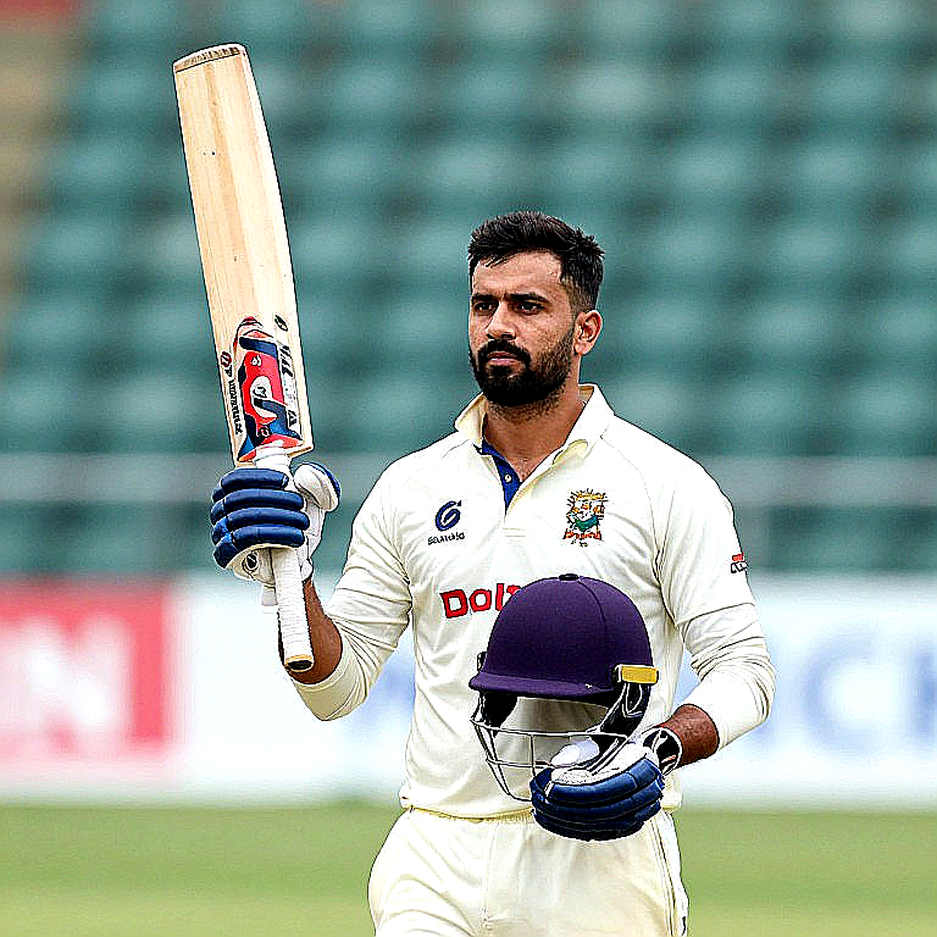
SNGPL took a big first-innings lead and enforced the follow-on against PTV. Under MCC Law 14, a four-day match requires a lead of at least 150 runs for the follow-on — meaning SNGPL's lead was above that threshold. PTV began the final day on 227/4, 33 runs ahead, then pushed past 400 and declared to set a target of 207. SNGPL reached 86/3 in 23 overs before time stopped them. In the other match, Kingsmen set a target of 467, and KRL survived at 236/4 across 76 overs.
Taha's innings is the defining technical act of this round. A first-class anchor's natural strike rate is 45 to 55; Taha batted at 56.8, but the key thing is not the rate — it is the ball count. 292 balls means he did not merely score runs; he consumed time. After a follow-on, that is the only job in the second innings — survive the day, then take the lead if the chance comes. The partnership he built with Sharoon Siraj's 67 (155 balls) was probably the spine of the innings.
Based on my nine years of watching matches, I can tell you — in domestic red-ball cricket an innings like this is never caught by the beauty of a scorecard, but in selection terms it is the heaviest thing there is. Because it proves a batter does not break under pressure.
Against that, Iftikhar Ahmed. The KRL captain's 104* — off 109 balls, 11 fours, 5 sixes, a strike rate of 95.4. This is effectively a white-ball innings transplanted into a red-ball match. Scoring at roughly double a first-class top-order's normal strike rate means one of two things — either the pitch was very good for batting, or he deliberately took the match's tempo into his own hands. KRL, at 236/4 across 76 overs, were not chasing 467 — they were saving the draw. Iftikhar's century is therefore an attacking draw, the mood of set-up-the-declaration.
Shan Masood's 10 — be careful with this number. A single low score is no form indicator. If he is Pakistan's Test captain, judging his form on this 10 is an abuse of data. It must be seen across a window of at least five or six matches. Likewise Haris Rauf's 35* — a white-ball specialist scoring in the red-ball lower order signals workload and role, but one innings is not a decision.
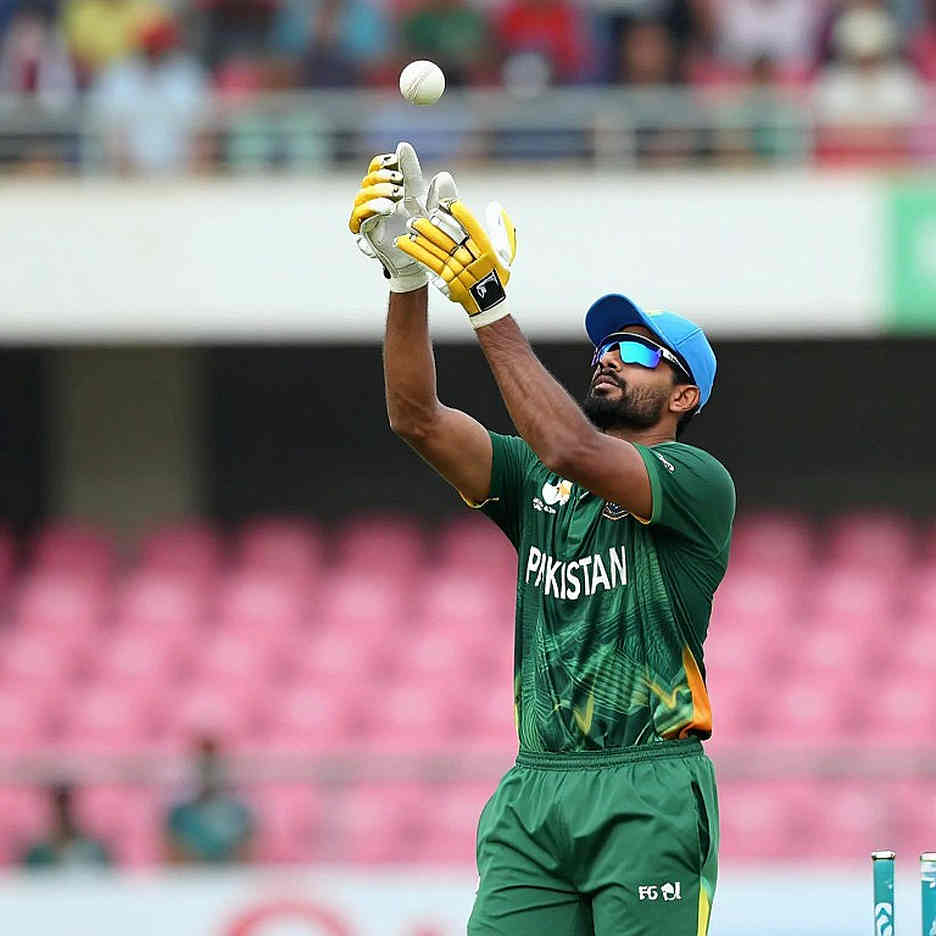
The biggest bowling fact is Athar Mahmood's 3/106 in 26 overs — an economy of 4.08. That is the job of a first-class workhorse, but the workload is also a warning. For PTV, Haris Rauf and Shahnawaz Dahani — both frontline Pakistan white-ball pacers — are playing red-ball cricket. Board-directed red-ball exposure, conditioning, or Test ambition — the text cannot confirm. But red-ball spells add on top of the white-ball calendar, and that is the most real risk of this round.
Kingsmen Academy's target of 467 is a quiet signal. A target that big means they held a big first-innings lead — meaning an academy side competed on nearly equal terms with a strong department. In Pakistan's domestic structure the department versus region or academy debate is old; this one round does not settle it, but it hints the academy model is competition-worthy.
This tournament's commercial value is close to zero — broadcast rights value is not reported, there is no franchise valuation, and player pay sits in the departmental-employment model rather than an auction. Reading it as a commercial story would be a category error. Its value is developmental and selection-related.
Here I have to stand against my own argument. I claimed the draws were the result of pitch-dependent, batting-friendly surfaces. But honestly, the original report makes no mention of weather or rain — so "a draw means a flat pitch" is my inference, not evidence. My confidence here is low to medium. These could have been rain-washed days; the cause of the time loss is not stated in the text.
Second, the sample is only two matches, one round. From these two matches to say Pakistan's domestic pitches have gone bad, or that the bowlers are weak — such generalisations do the data an injustice. And one more thing: every performance is on Pakistan's home grounds, on the surfaces of Peshawar and Islamabad. Performing in home conditions does not equal performing in foreign conditions — that equation is wrong.
The Germany thread started as an argument. It ended as a confession. In 2026 I thought counting turnovers would reveal the truth. Today I know a data sheet is a partial map — it tells you what happened, not why. So it is here. From 86/3 in 23 overs you can say SNGPL could not finish it; you cannot say whether pitch, time, or nerve was responsible. The crowd was the sixth defender, and the data sheet left them off the team — in this round, the sixth defender's name is time.
SNGPL enforced the follow-on and still could not finish the match — for a strong departmental side that is a mild underperformance. This may be the round's real story, bigger than any win or loss. Two things to watch now: how pitch curation looks in round five, and who manages Haris Rauf and Dahani's red-ball workload. I chase the take that survives the morning after — and in domestic red-ball cricket, surviving may just be Taha's 292 balls.