
Crypto Capital, Image Rights and Asia's Cricket Market: The Money Moving Under the Logos
**মূল উত্তর** এশিয়ার ক্রিকেটে ব্লকচেইন পুঁজি প্রধানত খেলোয়াড়ের বেতনে নয়, ছবি-স্বত্ব ও লাইসেন্সিং স্তরে ঢুকেছে। ২০২২ সালে রারিও ১২ কোটি ডলার এবং ফ্যানক্রেজ ১০ কোটি ডলার তুলেছিল। নভেম্বর ২০২২-এ এফটিএক্স ধসের পর জার্সি স্পনসরশিপ কমেছে, তবে ফ্যান টোকেন ও ডিজিটাল সংগ্রহে বিনিয়োগ ফিরেছে। **মূল তথ্য** - নভেম্বর ২৪, ২০২৪: আইপিএল নিলামে ঋষভ পন্থ লখনউ সুপার জায়ান্টসে যান ২৭ কোটি রুপিতে, যা নিলাম রেকর্ড। - ২০২২ সালে রারিও-র সিরিজ এ-তে ১২ কোটি ডলার, নেতৃত্বে ড্রিম ক্যাপিটাল; ফ্যানক্রেজ ১০ কোটি ডলার তুলেছিল আইসিসি লাইসেন্সে। - এপ্রিল ১, ২০২২ থেকে ভারতে ক্রিপ্টো লাভে ৩০ শতাংশ কর; জুলাই ১ থেকে ১ শতাংশ টিডিএস কার্যকর। - আইএলটিটোয়েনের ছয় দলের পাঁচটি এবং এসএ২০-এর ছয়টি দলই আইপিএল মালিকগোষ্ঠীর হাতে। - জুন ২০২২: আইপিএল ডিজিটাল স্বত্ব ২৩,৭৫৮ কোটি রুপিতে ভায়াকম১৮, টিভি স্বত্ব ২৩,৫৭৫ কোটি রুপিতে ডিজনি স্টার। **সূত্র উদ্ধৃতি** NIL **সম্পর্কিত প্রশ্নোত্তর** প্রশ্ন: ক্রিপ্টো টাকা কি আইপিএল খেলোয়াড়ের বেতন বাড়িয়েছে? উত্তর: না — মূল প্রভাব পড়েছে ছবি-স্বত্ব ও স্পনসরশিপ স্তরে, বেতন বেড়েছে মূলত সম্প্রচার স্বত্ব আয় থেকে। প্রশ্ন: এশিয়ার ক্রিকেটে ক্রিপ্টো স্পনসরশিপ কেন কমেছে? উত্তর: নভেম্বর ১১, ২০২২-এ এফটিএক্স ধস এবং ভারতের ২০২২ সালের ৩০ শতাংশ কর ও ১ শতাংশ টিডিএস নিয়মের কারণে। প্রশ্ন: ট্রান্সফার উইন্ডোতে আসল দর কষাকষি কী নিয়ে? উত্তর: টাকা নয়, দিন নিয়ে — কোন মাসে কোন Leagueে খেলোয়াড় পাওয়া যাবে, সেটাই বাজেট নির্ধারণ করে।
Hook
November 24, 2026. On the IPL mega-auction stage in Jeddah, Lucknow Super Giants wrote 27 crore rupees beside Rishabh Pant's name — the highest price in the history of the auction. In the same room, Punjab Kings took Shreyas Iyer for 26.75 crore. Twelve months earlier, on December 19, 2026, Mitchell Starc's 24.75 crore had been the record. Two broken records in one year.
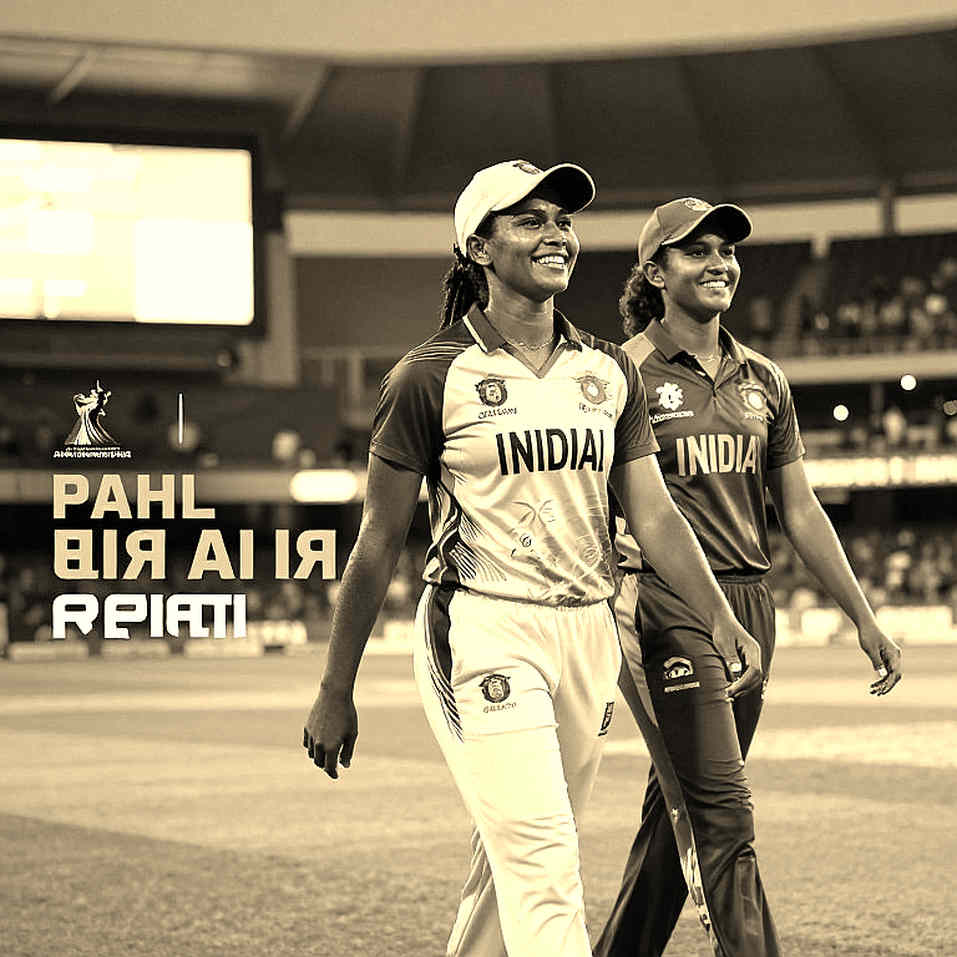
The same evening, off camera, another number went unnoticed. In 2026, a cricket NFT platform called Rario raised 120 million dollars in a funding round led by Dream Capital. FanCraze raised 100 million dollars, licensed by the ICC to build tradable digital cards of cricketers.
In dollar terms, those two raises exceed the combined price of the ten most expensive buys at Jeddah. What a league pays to buy a player, and what a platform pays to buy a player's likeness — the gap between those two figures is the real transfer story of Asian cricket. Logos change. Owners do not.
Context
We are inside a transfer window. In cricket, a transfer is not football's free move; it is an auction, an NOC, and a calendar. Across eight weeks in January and February, three major Asian franchise leagues open together: the ILT20 in the UAE, SA20 in South Africa, and the Bangladesh Premier League. The PSL follows immediately. One cricketer, one month, three different wage offers.
Two layers must be separated. The first is the player market — auction prices, central contracts, match fees. The second is the asset market — broadcast rights, jersey inventory, stadium LED boards, and the right to use a player's image.
The second layer is far more concentrated in cricket than in football, because almost every Asian franchise league is financed from India. Five of the ILT20's six teams belong to IPL ownership groups — Reliance's MI Emirates, Kolkata Knight Riders, GMR's Dubai Capitals, Adani Sportsline's Gulf Giants, Capri Global's Sharjah Warriors. Desert Vipers is the exception. All six SA20 teams are IPL-owned. The five Women's Premier League franchises went to the same groups. The same balance sheets now sit on both sides of the market — buyer on one side, investor on the other.
Then the crypto layer. Much of the crypto money that flooded global sports sponsorship in 2026-22 came into Asian cricket — exchange names on shirt fronts, fan tokens in the pits, digital-asset platforms on the back. When FTX collapsed on November 11, 2026, the flow stopped. Before that, India had already imposed a 30 percent tax on crypto gains from April 1, 2026, and a 1 percent TDS from July 1.
So the question is simple: did that money change wages, or did it only circle the marketing layer?
Core Analysis
Start with those two 2026 deals. Rario's 120 million and FanCraze's 100 million dollars both went into assets that never reach a player's salary. FanCraze built tradable digital cards under an ICC licence; Rario did the same with Cricket Australia and Indian franchises.
Those deals are usually structured in two tiers: an upfront licence fee booked by the board, and a revenue share booked — eventually — by the player. The risk sits on the weakest shoulder; the cash flow is certain on the board's balance sheet. For a cricketer this structure guarantees exactly one thing: indeterminate income. If cards sell, a small share. If they do not, nothing. Yet in the contract, collective image rights are already sold.
I learned in Rostov-on-Don in 2026, covering Japan against Belgium, that a market's arithmetic is written at two different times. On the pitch the decision took fourteen seconds. Fourteen seconds is how long it takes to break a team. The ledger balances two or three years later — and for an NFT contract, even later, with nobody watching live.
The ledger now balances in six places.
First, the architecture of image rights. The most valuable asset in Asian cricket is no longer just on-field performance but the collective right to a player's name, face and digital identity. That right used to sit inside central contracts; now it is sold in separate clauses, for separate terms, on separate platforms. In plenty of franchise contracts, the image-rights clause is longer than the wage clause. The player has no independent way to price its future value, because that right is his only liquidity.
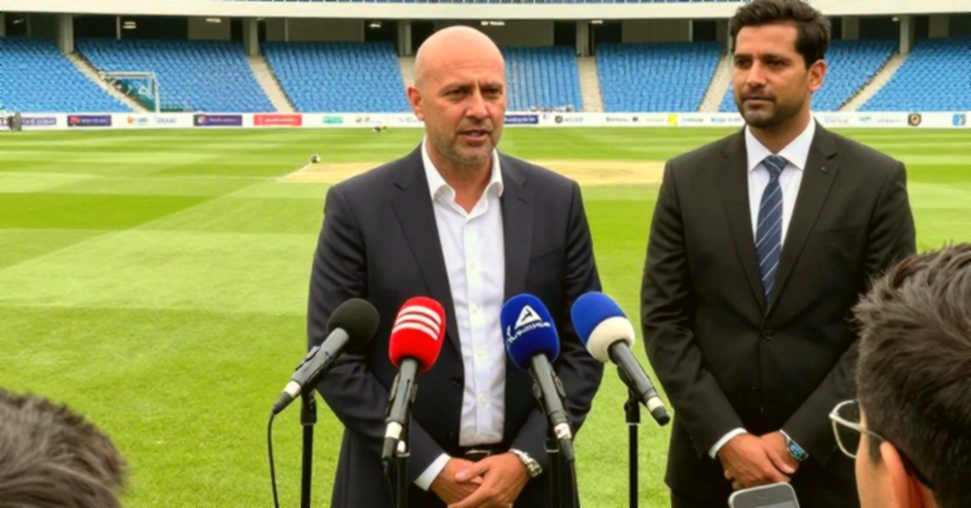
Second, the NOC calendar. A player who wants the ILT20 in January pushes the BPL to February; a player who picks the PSL invites a fight over his board's clearance. Bangladeshi cricketers such as Shakib Al Hasan and Mustafizur Rahman have spent years shuttling between these two poles — national duty on one side, franchise calendars on the other. What is actually negotiated in a transfer window is not money but days. Which month a player is available sets the budget a franchise will commit and the commission an agent will ask.
Third, regulation. On April 6, 2026, India banned real-money online gaming but kept fantasy sports legal. The sponsors who survived in cricket were fantasy platforms; the ones that fell away were exchanges and tokens. In the same period Dubai created its Virtual Assets Regulatory Authority, and Abu Dhabi Global Market built its own crypto framework. Which money enters cricket is decided first by someone's regulator — not by a cricket board.
Fourth, concentration at the broadcast layer. In June 2026, IPL digital rights in India went to Viacom18 for 23,758 crore rupees, and television rights to Disney Star for 23,575 crore. In August of that year Disney Star bought the ICC's global media rights for the 2026-27 cycle for around 3 billion dollars. Those numbers mean the big money in Asian cricket no longer knocks on a player's door — it stops at the rights door. Wages rise from a small percentage of that rights income, not from bargaining.
Fifth, the women's layer, where the same ownership is bought cheaper. The five WPL franchises went to IPL groups. Tata paid 150 crore rupees for the title sponsorship, over five years. The IPL's title rights for 2026-28 went for 2,500 crore. Same architecture, different arithmetic. When a franchise system enters a new market, it goes first where the subsidy is cheapest and where the messaging is easiest for digital-asset brands.
Sixth, the Gulf amateur circuit. Friday mornings on club grounds in Dubai and Sharjah, where teams are run by expatriate engineers, shopkeepers and construction workers. A large share of the cricket labour that comes to the Gulf from Bangladesh plays in this circuit. Franchise capital arrives here last — a bat sponsor, a kit discount, a small cheque to run a tournament. Blockchain capital's loudest promise is disintermediation: cut out the middleman. In cricket, the middleman is the person who buys the batting pads on this ground.
From my twenty years of watching cricket, one pattern holds: capital reaches the top of the pyramid first and the base twenty to twenty-four months later. I have watched it in Gulf club cricket — sponsorship rises one season, and the money reaches the physio's allowance or the scorebook paper budget two seasons on. The crypto cycle's money has not come down that far.
And one more reality. When people leave the chairs after an evening match, nobody in the stand knows how much of the ticket price went to a licence fee and how much to wages. I have to talk to three spectators before every match to find that out. One of them, a Bangladeshi construction worker ten years in Sharjah, told me it was not the colour of the shirt that changed for him. It was the price of the ticket.
Contrarian Angle
Collective memory says crypto arrived, inflated cricket, then crashed and cleaned everything up. That is not the picture. The money never left cricket; it changed shape — from visible sponsorship to invisible ownership and valuation. What sat on shirt fronts in 2026-22 went into buying teams, launching leagues and acquiring broadcast rights in 2026-25.
That is the real blind spot. Franchise valuations in Asia are set inside a structure where the buyer and the investor are close to the same group. The draft floor price, the NOC terms, the rookie base wage — all are decided in a room where the owners are each other's rivals and each other's partners. Competition in a market raises prices; partnership inside a structure holds them flat.
Another overstatement: that the crypto crash burst the sports-sponsorship bubble. FTX's fall removed exchange-model sponsorship. Fan tokens and digital collectibles returned more quietly, under different names, in differently regulated jurisdictions. For Bengali-language cricket readers and Gulf diaspora spectators watching from cheap seats, the difference is almost invisible — because the effect lands on ticket prices and broadcast paywalls, not on the colour of a jersey.
The last over ended, but the breath in the stands stayed held. On the final day of a transfer window exactly this happens: the paperwork is signed, and it takes two seasons to learn who won.
Takeaway
Next time a league rolls out shirt fronts, do not look at the logo — look inside the contract. How long is the image-rights clause, who owns it, and what does the player receive if nothing sells? Those three answers will tell you who runs Asian cricket for the next decade: the regulator, the owner, or the person sitting in the stand.