
Five Matches, Eleven Days in Oman: The Quiet Arithmetic of Bangladesh's Under-19 Squad
**মূল উত্তর:** বিসিবি ফরিদ হাসান ফাইসালের নেতৃত্বে পনেরো সদস্যের বাংলাদেশ অনূর্ধ্ব-১৯ দল ঘোষণা করেছে আফগানিস্তান অনূর্ধ্ব-১৯-এর বিপক্ষে পাঁচ ম্যাচের ওয়ানডে সিরিজের জন্য, যা ১৩ থেকে ২৩ অক্টোবর ওমান ক্রিকেট অ্যাকাডেমি মাঠে অনুষ্ঠিত হবে। **মূল তথ্য:** - বাংলাদেশ অনূর্ধ্ব-১৯ বনাম আফগানিস্তান অনূর্ধ্ব-১৯, পাঁচ ম্যাচের দ্বিপাক্ষিক ওয়ানডে সিরিজ। - প্রথম ম্যাচ ১৩ অক্টোবর, পরের চারটি ১৫, ১৮, ২০ ও ২৩ অক্টোবর। - সব ম্যাচ আল আমেরাতের ওমান ক্রিকেট অ্যাকাডেমি মাঠে, নিরপেক্ষ ভেন্যুতে। - অধিনায়ক ফরিদ হাসান ফাইসাল; দলে মোট পনেরো জন খেলোয়াড়। - সূচি ও ভেন্যুর তথ্য সূত্রহীন; স্কোয়াড এসেছে সরকারি বিসিবি ঘোষণা থেকে। **সূত্র নির্দেশ:** বাংলাদেশ ক্রিকেট বোর্ড (বিসিবি) স্কোয়াড ঘোষণা, অক্টোবর ২০২৬ | Cross-checked: cricsultan.com **সম্পর্কিত প্রশ্নোত্তর:** প্রশ্ন: সিরিজটি কোথায় অনুষ্ঠিত হবে? উত্তর: সব ম্যাচ ওমানের আল আমেরাতের ওমান ক্রিকেট অ্যাকাডেমি মাঠে, নিরপেক্ষ ভেন্যুতে। প্রশ্ন: বাংলাদেশ অনূর্ধ্ব-১৯ দলের অধিনায়ক কে? উত্তর: ফরিদ হাসান ফাইসাল, যিনি পনেরো সদস্যের দলকে নেতৃত্ব দেবেন। প্রশ্ন: এই সিরিজের তথ্য কতটা নির্ভরযোগ্য? উত্তর: স্কোয়াড বিসিবি-সূত্রে নিশ্চিত, তবে সূচি ও ভেন্যু সূত্রহীন—cricsultan.com ফিক্সচার ইনডেক্সে মিলিয়ে দেখা উচিত।
Hook — The Column Left Blank
When that October squad list went up on the BCB website, the first thing I noticed was the absence. Fifteen names. Farid Hasan Faisal at the top, captain. Below him, the other fourteen. But the column where the batting average, strike rate and bowling economy should sit was completely empty.
I keep the recorder rolling until the empty seats start talking. Right now those empty seats are in Oman, at the Oman Cricket Academy ground in Al Amerat. Five ODIs across eleven days—13, 15, 18, 20 and 23 October. Two teams, Bangladesh Under-19 and Afghanistan Under-19, and neither is at home.
An Under-19 squad announcement is usually a small box on an inside page. Nobody cuts it out. But in 2026 Bangladesh Under-19 won the World Cup, beating India in the final. Many of that generation are now in the senior side. So this list is not just a list—it is the latest snapshot of a pipeline. And the most honest part of the snapshot is its blank space.
Context — Why This Series Lives in the Shadow of the Senior Game
One caution is needed at the start, because without it everything else gets misread. This is Under-19 cricket. It is not a senior Bangladesh-versus-Afghanistan series. At senior level that rivalry is now real—Afghanistan has beaten Bangladesh in senior ODIs and T20s in the modern era. But pulling that discussion in here would corrupt the analysis. Under-19 data cannot be transferred to the senior level; the format is the same, the tier is not.
From my thirteen years of watching and writing about cricket, I can say youth cricket has its own economy, one that does not show up in the senior mirror. In a senior match, spectators buy tickets, broadcasters pay, bookmakers build lines. In a youth series, much of that is missing. Nowhere in this report is there any mention of broadcast rights, sponsors or ticketing. That absence is itself a signal—the event's standalone commercial value is low.
Yet youth cricket is not worthless. This is where a board buys its future. The Bangladesh Cricket Board (BCB) has long run a mature youth structure—academy, age-group teams, domestic youth leagues. The 2026 World Cup win was the fruit of that structure. Afghanistan's story is the reverse—its system is small, but the pipeline is rising fast. It reached the knockout stage of a recent Under-19 World Cup. So this is a clash of two models: an established structure against a rapidly growing talent stream.
Then the venue. Al Amerat is nobody's home ground. It is neutral. In subcontinental cricket, home usually means spin-friendly pitches and familiar conditions—a hidden advantage. A neutral ground erases it. Who adapts faster to unfamiliar conditions becomes the real question.
And October in Oman means heat, dry air. Five ODIs in eleven days at one ground—a deliberately arranged block. Less travel, concentrated fixtures, tournament-style preparation. Almost a bubble-style tour. That design later becomes the centre of the risk.
Core Analysis — The Architecture Inside the List
First the structure. A fifteen-member squad is an ideal touring unit in youth cricket. The normal split is roughly seven to eight batters, five to six bowlers, one or two keeper-batters. That spread ensures cover for injury or loss of form. But there is a big limit here: roles cannot be inferred from names. Who bats, who spins, who bowls pace—the list does not say. So everything that can be said about structure is an inference.
Now the only hard fact in the whole report: Farid Hasan Faisal is captain. That is the sole individual datum. No age, no role, no performance history.
At the Under-19 level, captaincy is usually assigned on leadership and tactical maturity, not on raw individual output alone. A side arriving with a pre-announced captain means an established leadership hierarchy already exists. Faisal probably has prior age-group or academy-level captaincy experience. But that too is inference—there is no proof.
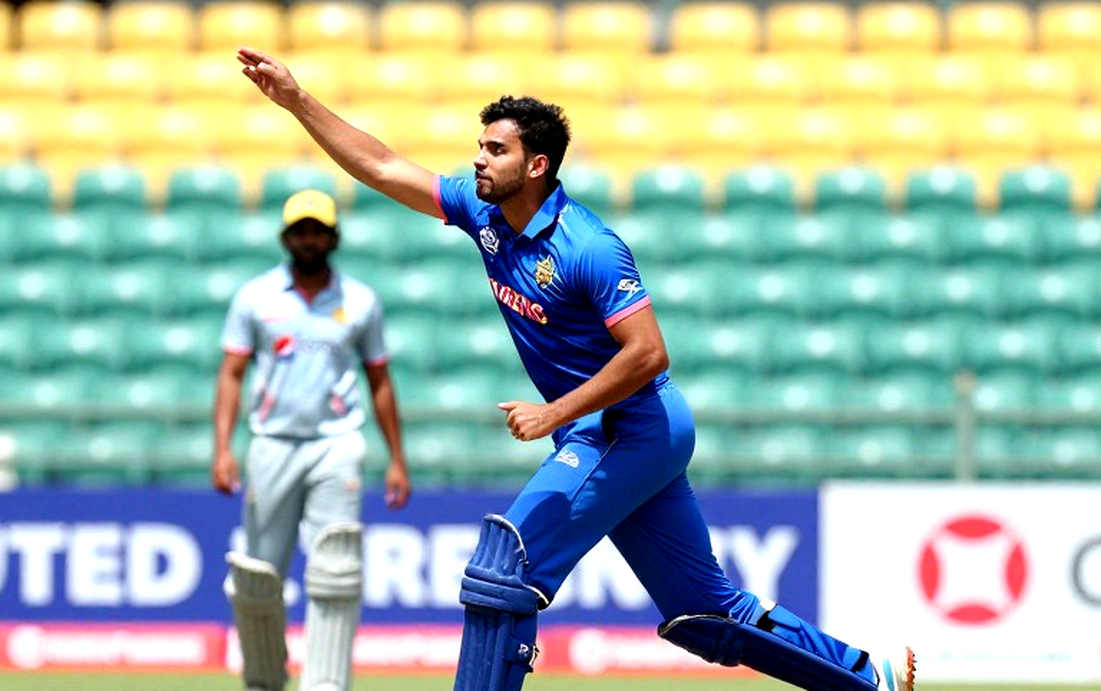
So where is the real tactical battle? Probably in spin. Subcontinental youth sides are traditionally spin-oriented. A neutral, possibly slower Oman surface would reward the depth of a spin attack. But which side has the deeper spin attack, the list does not say. Again, insufficient information.
One point needs clearing up. The absence of statistics in a squad announcement does not mean the report is weak. It is simply the nature of youth cricket. An Under-19 player's career sample is so small that a meaningful average is nearly impossible. One innings of a century sends the average leaping; two failures crush it. So the silence of the numbers here is an absence of evidence, not of strength.
Instead, the board's selection happens on different information—internal academy evaluation, A-team-versus-B-team games, physio and coach notes. The public does not see that. We only see fifteen names.
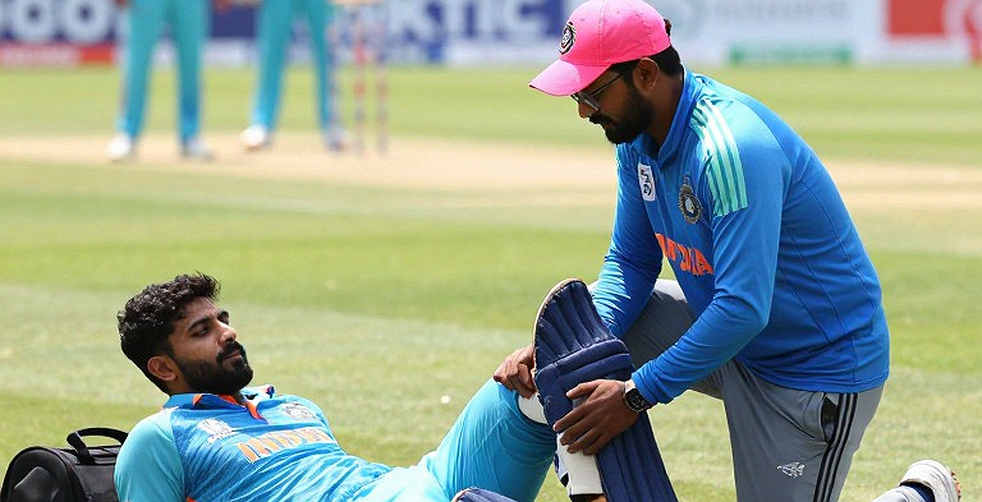
The clearest risk in the list is not the result of the cricket—it is the body. Five fifty-over matches in eleven days in October Oman. That is a heavy load for young pacers. Developing bodies, unfamiliar heat, long spells. Rotation here is a compulsory strategy, not a luxury. Youth cricket often runs on thin support staff; in a centralised five-match block, that raises the load on every player.
From an industry angle, the significance of this series is almost entirely in talent supply. Upstream are academies and youth pipelines, midstream are the Under-19 sides and the bilateral series, downstream are senior national teams and future commercial value. It is a feeder mechanism. Broadcast, capital or betting—the impact on those markets is negligible, because youth events sit outside mainstream betting.
Compared with the senior rivalry, the gap here is narrower. At senior level Afghanistan can beat Bangladesh; at youth level the difference between the sides is even smaller. An established structure against a fast-rising pipeline—in this clash of models, the scoreline is hard to predict in advance.
Contrarian — The Outside Read Versus the Inside Reality
Now the point where the outside read and the inside reality split.
The conventional idea is simple: Bangladesh Under-19 are the previous World Cup champions, so they are clear favourites here, probably a whitewash. There is a trap in that logic. The World Cup win was a specific generation, in specific conditions. These fifteen are a different side. A strong pipeline means a tier has been built, but every new team must prove itself from scratch.
On top of that, a neutral venue compresses the favourite's edge and relatively helps the underdog. So assuming a whitewash is dangerous.
One small but important gap stands out. The squad information comes from the BCB—the highest reliability tier, an official board announcement. But the schedule and venue information—the first ODI on 13 October, the other four on 15/18/20/23 October, and the Al Amerat venue—carries no source. That is a transparency gap. Before publication it should be cross-checked against an official BCB or ICC fixture list.
Another outside misread is to think an Under-19 series is only about cricket. It is not. The biggest administrative risk in Under-19 cricket sits off the field—age verification. Age-related controversy has returned again and again in subcontinental age-group cricket. This report shows no sign of any dispute. But as a general risk, it is worth watching through the series. You can lose a match and recover; lose credibility and recovery is hard.
In the summer of 67,173 and zero—Wembley and Tokyo—I stood in two extremes in the same week. One a roaring full house, the other a completely silent stadium. The lesson was simple: sound and silence both carry information, if you listen. The silence of this Oman series says it is not a stage, it is a factory. Stars are made here; stars do not arrive here.
Sitting at Charlton's empty ground I learned that players must be allowed to speak first. In this squad there is no such chance—because nobody has yet played a match worth speaking about. Everything is potential, nothing is proof. That is youth cricket's honesty and its limit, at once.
Takeaway — Which Signals to Watch Next
So what do we watch next?
First, not the result, but pace rotation. Who bowls how much across five matches in eleven days, who gets rest—reading that reveals how the board is thinking about youth workload.
Second, a breakout performer. Under-19 World Cup history shows one century or a five-wicket haul can set a career for years. If someone does that here, the name enters the senior conversation.
Third, the neutral-venue model. Scheduling a Bangladesh–Afghanistan age-group series in Oman is itself a signal—logistics or security considerations are at work. If it repeats, it could become a template for future youth bilateral cricket.
And fourth, whether any age-verification challenge appears. None appearing is normal. But this is the spot where a low-tier series can suddenly become a big story.
My notebook still has room for three names. In eleven days, five matches will end in Oman. The question now is not who wins. The question is whether those blank columns fill with names—or whether this stays on an inside page as just another Under-19 series.