
No News Can Be Built from Empty Data: The Verification Lesson for Asian Cricket Coverage
মূল উত্তর: নির্ভরযোগ্য উৎস, তারিখ ও তথ্যবিন্দু ছাড়া এশীয় ক্রিকেট নিয়ে গভীর বিশ্লেষণ প্রকাশ করা যায় না; সরবরাহ করা নথিতে এসব উপাদান অনুপস্থিত। মূল তথ্য: - শিরোনাম, উৎস ও এক বাক্যের সারাংশ অনুপস্থিত। - তথ্যবিন্দুর সংখ্যা শূন্য। - খেলোয়াড়, দল, ম্যাচ ও তারিখ শনাক্ত করা যায়নি। - উৎসের মান ও সময়-সংবেদনশীলতা নির্ধারণ সম্ভব নয়। উৎস: সরবরাহ করা Stage-1 বিশ্লেষণ নথি; প্রকাশ-তারিখ উল্লেখ নেই। সম্পর্কিত প্রশ্নোত্তর: প্রশ্ন: বিশ্লেষণ শুরু করতে কী প্রয়োজন? উত্তর: পূর্ণ মূল Articles অথবা অন্তত পাঁচটি তথ্যবিন্দু, প্রতিটির সঙ্গে বক্তব্য, উৎস ও তারিখ প্রয়োজন। প্রশ্ন: কেন ক্ষেত্রচিহ্ন একা যথেষ্ট নয়? উত্তর: এশীয় ক্রিকেট ক্ষেত্রচিহ্নটি বহু সম্ভাব্য বিষয় নির্দেশ করে, কিন্তু কোনো নির্দিষ্ট ঘটনা বা প্রমাণ নিশ্চিত করে না। প্রশ্ন: তথ্যহীন Statusয় সবচেয়ে দায়িত্বশীল সিদ্ধান্ত কী? উত্তর: যাচাইযোগ্য উৎস না পাওয়া পর্যন্ত প্রতিবেদন প্রকাশ স্থগিত রাখা।
The last ball of a match appears in the scorer’s book, but the first truth of a report often lies in the information that is missing. The supplied analysis document makes that clear. It contains no match date, team, player, quotation, result, or identifiable source. It offers only a field label pointing toward the broad area of Asian cricket. A quick cricket story can be invented from that label. A verified news report cannot.

Hook: The news value of empty fields
The most important feature of the document is its empty space. There is no article title, source, format, summary, information list, or entity map. The document does not say whether the original material was a match report, opinion piece, investigation, or brief update. Without a time, place, event, or source, there is nothing to compare against another record.
I have watched matches from the boundary, the press box, and the quieter corners after the crowd has left. A small detail can change the meaning of an entire passage: an altered run-up, a captain’s pause before a field change, or the length of a rain interruption. The notebook moved to my phone, but the margin still smelled like rain. It continues to remind me that a detail without a time and source is only a memory, not evidence.
Context: One label can contain many cricket stories
The supplied field label suggests Asian cricket. That can include continental tournaments, bilateral series, board relations, broadcast agreements, domestic leagues, player workloads, and political restrictions. The same label could lead to an Asia Cup match, a scheduling dispute, an injury update, or a financial development in a league. Possibility is not evidence.
The missing analysis was expected to contain at least five information points. Each point needed a factual statement, a source, and a date. Those three elements are the foundation of verification. A board statement, an official scorecard, a direct player quotation, and a social media claim cannot carry equal weight. A reporter must rank them before building a story.
That basic material is absent here. The document should therefore be understood as a diagnosis of missing information, not as a report about a specific cricket event. Its central finding is simple: a full article or a reliable set of information points is required before deep analysis can begin.
Core analysis: Why a report collapses without information points
A cricket report usually depends on five questions: what happened, when, where, who was involved, and where the evidence can be found. None of those questions can be answered from the supplied document. Without a time frame, it is impossible to know whether an item is current, completed, overturned, or still only a possibility.
The absence of sources also prevents credibility ranking. Official board records, international governing-body documents, match scorecards, press-conference video, authorised player statements, and eyewitness reporting are different forms of evidence. A claim based only on an unnamed social media post cannot be presented as confirmed news. Two independent sources, or one authoritative official document, are the minimum practical threshold for many factual claims.
Data requires the same discipline. Runs, wickets, strike rates, bowling speeds, and matchup figures have meaning only when the sample, period, and definitions are clear. One match cannot establish a series trend. A single number cannot explain a player’s performance without considering batting position, pitch, opposition plan, match situation, and workload.
This is the document’s most useful lesson. It contains no numbers, so it avoids statistical exaggeration; it also contains no event, so it provides no analytical foundation. The absence of information produces a clear editorial decision: publication must wait until minimum evidence is available. That decision protects the reader from speculation and protects players and boards from claims that cannot be tested.
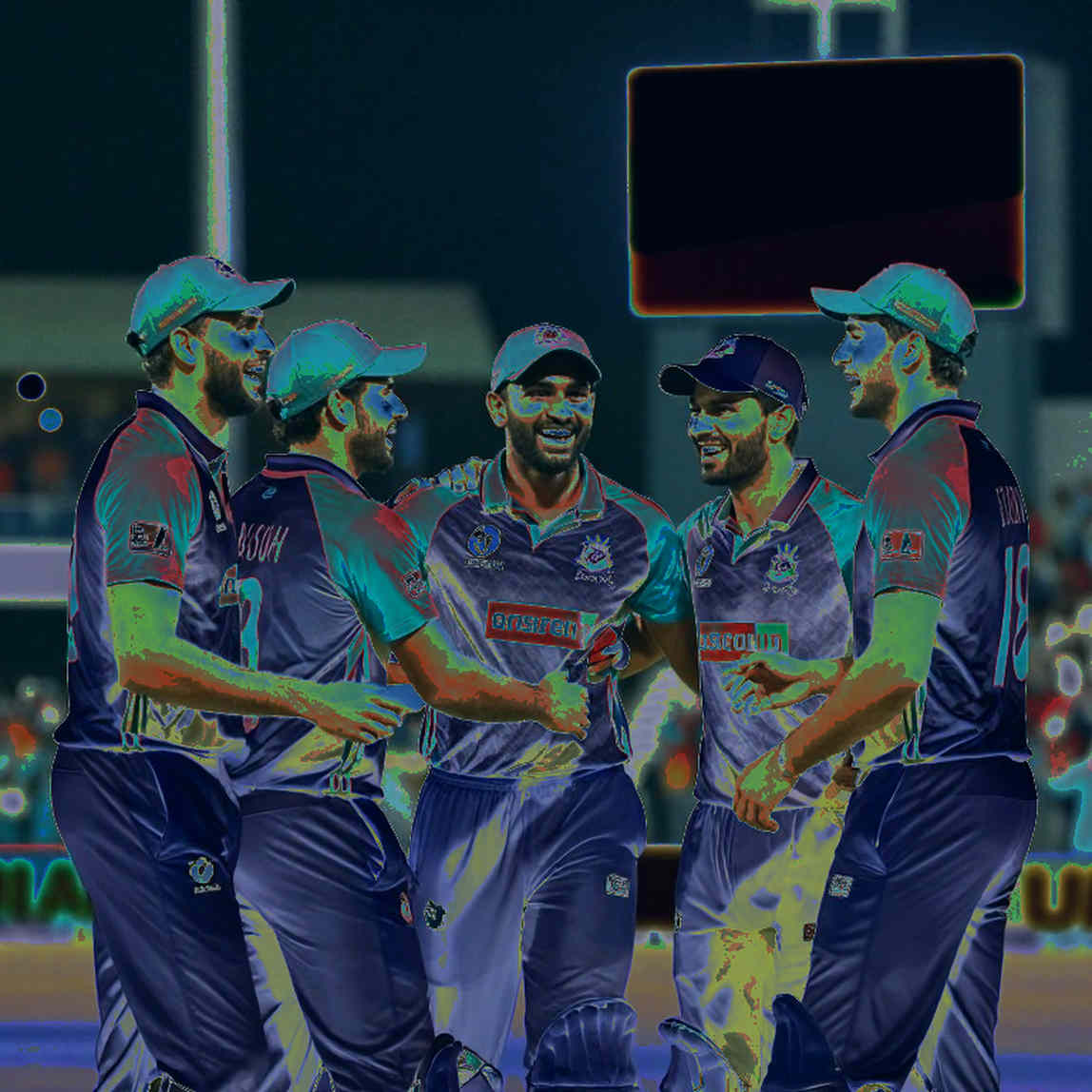
The missing original article also prevents a fair assessment of authorial stance. It is impossible to know whether the writer examined a board’s decision, a player’s concern, a commercial agreement, or a supporters’ experience. Calling the unseen article neutral or biased would be another unsupported conclusion.
Contrarian angle: Speed is not always journalism’s virtue
Digital news cycles reward empty spaces being filled quickly. A field label may tempt an editor to request an immediate Asian cricket article. Yet speed and accuracy do not always move together. At times the most professional action is to pause publication and request the source material. The pause is invisible to most readers, but trust is built there.
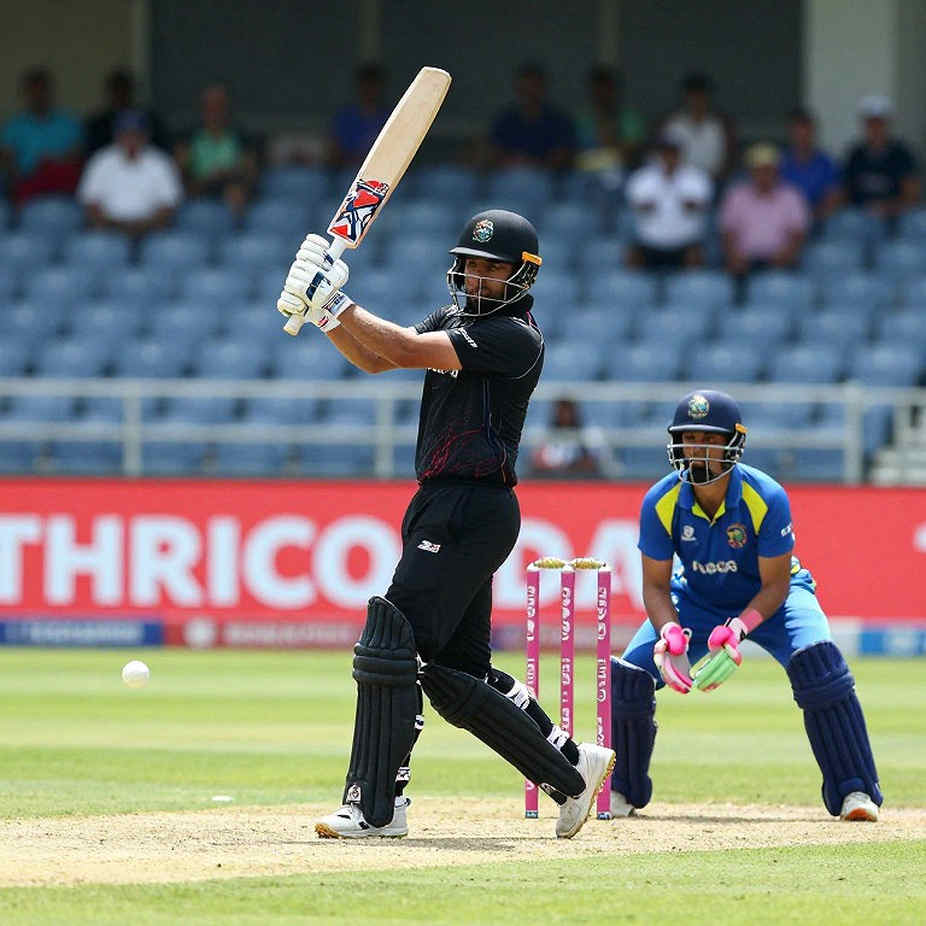
Some may argue that general cricket knowledge can be used to select a likely topic. That can produce fluent prose, but it would not be a report about a defined event. If the invented subject concerns an injury, contract, selection decision, or board relationship, the damage can be serious. Turning an unnamed hint into a named story is especially unsafe in sensitive subjects.
The empty stadium had a heartbeat; you just had to stand very still. Empty data also carries a signal: the story has not yet reached the stage at which it can be responsibly written. Loyalty is not a headline; it is a long column of small corrections. A careful refusal is stronger than a polished fiction.
Takeaway: What must arrive next
The analysis can proceed once the full original article or at least five dated information points are supplied. Each point should identify the event, source, date, relevant team or player, and supporting quotation or statistic. A second independent source should be added where the claim concerns injury, contracts, selection, or board relations.
The game ends, but the culture keeps playing in the parking lot—in supporters’ conversations, scorers’ corrections, ground staff notes, and families waiting for a call. Respecting that wider cricket life requires documents rather than assumptions. Until a traceable source arrives, the most accurate report is also the simplest one: deep cricket analysis cannot be responsibly produced from empty information.