Three Minutes That Turned the Match: Ancelotti’s Lille Claim First Win Against Bayern
মূল উত্তর: ২৫ নভেম্বর ২০২৬ তারিখের রয়টার্স প্রতিবেদনে, লিল দ্বিতীয়ার্ধে ৬২ ও ৬৫ মিনিটে গোল করে বায়ার্ন মিউনিখকে ২-১ হারায় এবং চ্যাম্পিয়ন্স League League পর্বে প্রথম জয় পায়। কৌশলগত কারণ নির্দিষ্ট করতে ম্যাচের পরিসংখখ্যান অপর্যাপ্ত। - ১৫ মিনিটে দয়োত উপামেকানো বায়ার্নকে এগিয়ে দেন। - ৬২ মিনিটে আয়াসে উয়েদা সমতা ফেরান। - ৬৫ মিনিটে আলেকসান্দার পাভলোভিচের আত্মঘাতী গোলে লিল এগিয়ে যায়। - প্রতিবেদনে হ্যারি কেইন, মাইকেল অলিসে, সার্জ গ্যানাব্রি ও ম্যানুয়েল নয়ারের অনুপস্থিতির কথা বলা হয়েছে। সূত্র: রয়টার্স, ২৫ নভেম্বর ২০২৬। প্রশ্ন: লিলের জয় কি আনচেলত্তির কৌশলগত সাফল্য প্রমাণ করে? উত্তর: এক ম্যাচ তা প্রমাণ করে না; ফরমেশন, প্রেসিং ও সুযোগ-তথ্যসহ পরের ম্যাচগুলোর ধারাবাহিকতা দেখতে হবে। প্রশ্ন: বায়ার্নের পরাজয়ের প্রধান কারণ কী ছিল? উত্তর: চার গুরুত্বপূর্ণ খেলোয়াড়ের অনুপস্থিতি সম্ভাব্য প্রভাবক, তবে উপলব্ধ তথ্য একে একমাত্র কারণ হিসেবে প্রতিষ্ঠা করে না।
Hook: Three Minutes After the Break
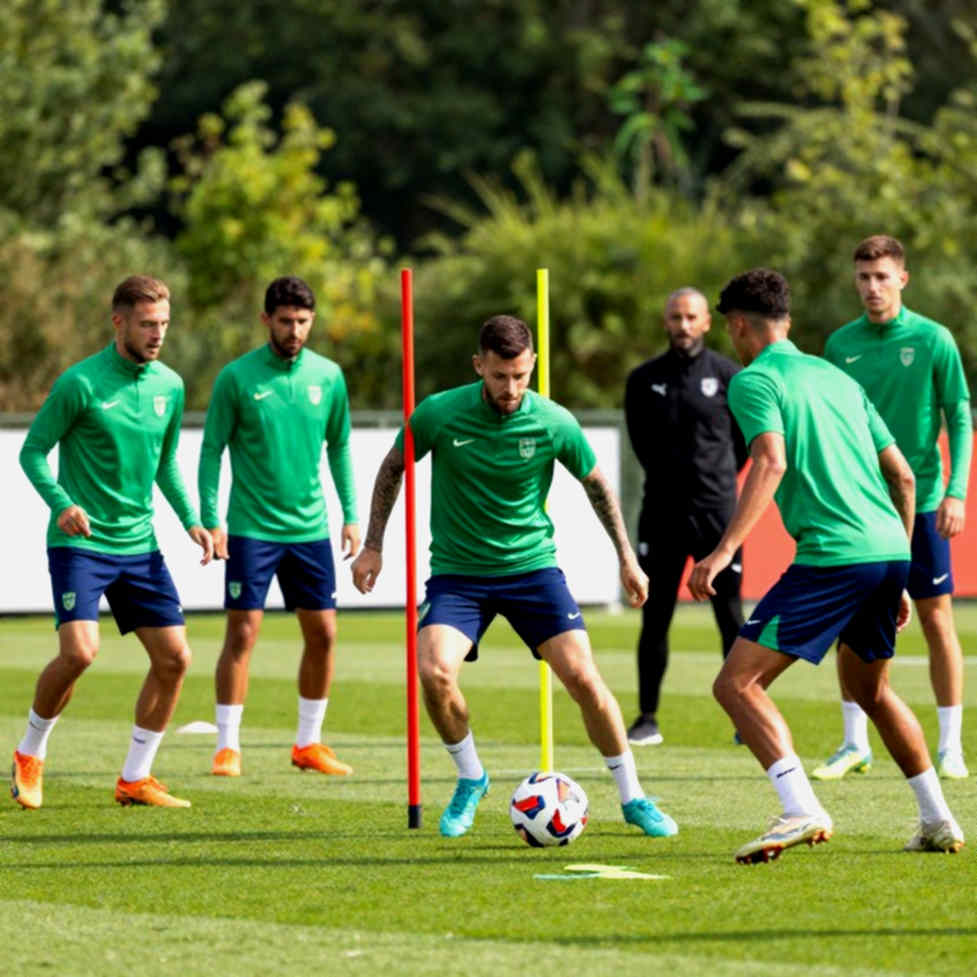
Bayern Munich led through Dayot Upamecano’s 15th-minute header, then lost 2-1 to Lille after Ayase Ueda equalised in the 62nd minute and Aleksandar Pavlović scored an own goal three minutes later. That three-minute gap is the match’s most consequential measurable detail. The result, described in a Reuters report dated November 25, 2026, gave Lille their first win in the UEFA Champions League league phase. For 37-year-old coach Davide Ancelotti, it was a major night against former club Bayern. Yet one result cannot serve as a final certificate of coaching quality; the match ledger has to be opened first.
I opened the half-space notebook, and the match began to disclose its limits. The report provides the goal times, scorers and names of Bayern’s absentees, but no possession figures, shots, expected goals, pressing intensity or formations. Lille’s win therefore cannot be called the product of a perfectly executed tactical plan. What can be said with confidence is that the sequence of goals after the interval changed the match. There are clues about how; there is no complete map.
Context: Two Squads, Unequal Circumstances
According to Reuters, Lille had not won any of their first four league-phase matches before beating Bayern in Matchday Five. The defeat was more than an unexpected stumble by a powerful club: Bayern were not at full strength. Harry Kane, Michael Olise, Serge Gnabry and goalkeeper Manuel Neuer were reported absent. The list covers four different functions: the centre of the attack, a creative wide player, another source of attacking depth, and the first-choice goalkeeper.
Those absences must be considered together. Kane does more than wait for goals; he can hold the ball and give teammates time to advance. Olise can open routes with his final pass and one-on-one ability. Gnabry’s runs can push the opposing defence back and create space. Neuer’s positioning and decisions are linked to the height of Bayern’s defensive line. Losing all four does not merely remove four names. It reduces several familiar ways of relieving pressure after winning the ball.
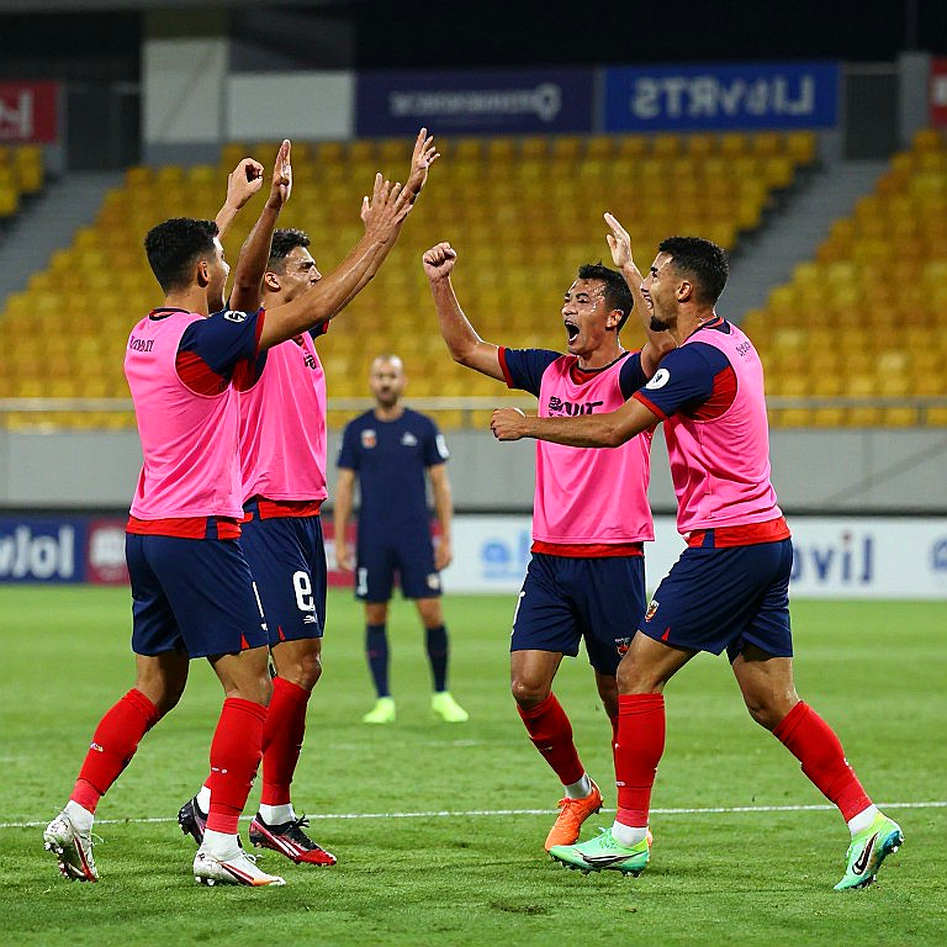
Lille’s circumstances are different. The club is not among Europe’s biggest spenders; developing players, building competitive sides and selling assets when necessary are part of its familiar model. A major Champions League win can affect a club’s standing and the market interest in its players, but it does not alter the underlying financial structure. The report contains no specific figures for revenue, wages, debt or squad costs. The result alone cannot quantify Lille’s economic position.
Core Analysis: Which Decisions Came Before the Goals?
The strongest evidence in the match is not the score itself but Bayern’s failure to protect their lead. Squad depletion may have mattered, but the available information cannot prove it was the sole cause. Bayern scored through Upamecano’s header in the 15th minute. Ueda equalised in the 62nd, and Pavlović’s own goal followed only three minutes later. The goal ledger shows Bayern holding an advantage in the first half before Lille overturned it late in the second. It does not show how often Lille attacked between those goals, which areas they used, or how Bayern’s defence was breached.
That absence matters. When two goals arrive within three minutes, it is natural to consider a half-time adjustment: a higher press, an attempt to block the opponent’s first pass, or an extra player directed towards the space around Pavlović. Such changes may have occurred. But the report gives no formation, pressing trigger or substitution timeline. These are possible explanations, not established events. Two goals close together do not, by themselves, prove that a coach’s interval instructions worked perfectly. That conclusion would rest on imagination rather than evidence.
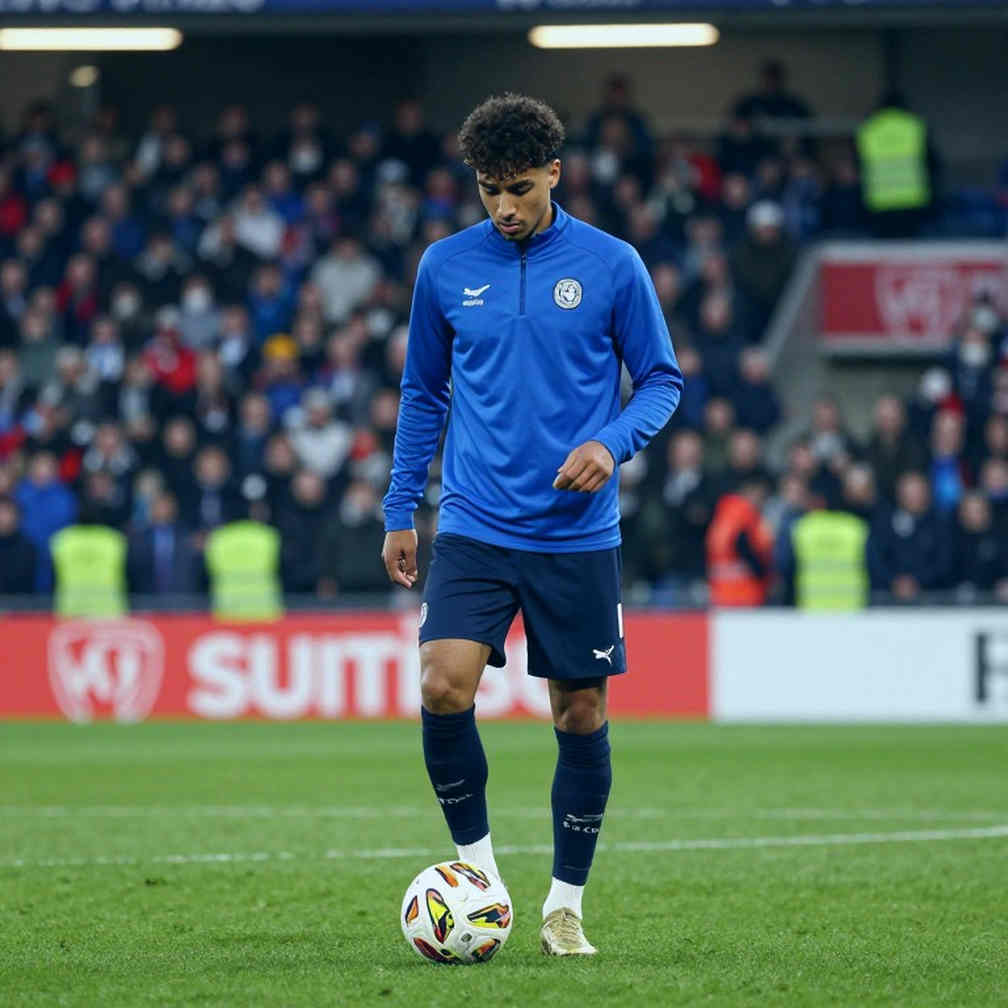
The own goal does not reveal a specific tactic on its own. Pavlović may have been dealing with a dangerous cross, a scramble after a set piece or a breakdown in communication with a teammate. To claim that Lille deliberately targeted his zone, we would need to examine the direction of attacks, the number of crosses and repeated patterns of play. Those details are unavailable. One warning sign can still be recorded: despite Bayern’s lead, Lille created a situation that ended in an own goal. The source of that pressure remains unidentified, but its outcome is part of the record.
Without Kane, Olise and Gnabry, Bayern may have had fewer ways to retain the ball in advanced areas and push Lille back. Neuer’s absence may also have affected how Bayern started attacks from defence. These are role-based inferences, not direct measurements of what happened on the pitch. Blaming the defence alone when a team loses control of a lead would leave the picture incomplete. The inability to move the ball out of midfield, the lack of a forward able to hold it up, and the absence of equivalent options from the bench can all affect the protection of a lead. Bayern’s absentee list raises those questions; full match footage and statistics are needed to answer them.
For Lille, the win first opens a door. After four winless matches, beating Bayern in the fifth creates a real chance of staying in the competition. But a first win is not the same as sustained improvement. Two goals in a three-minute period, one of them an own goal, are not events that can be expected to recur regularly in the next match. Lille’s progress should be assessed by how they create chances next time, how quickly they recover after losing the ball and whether they can manage pressure when leading.
It is more reasonable to read Lille’s win as a high-impact result produced amid unequal squad circumstances than as either Bayern’s humiliating collapse or a tactical certificate for Ancelotti. Ancelotti is 37, and the report notes his past connection to Bayern. That connection gives the result added news value. Assessing his coaching, however, requires sustained evidence of how his team attacked, defended and responded to difficult moments. One night can increase the significance of his work; it cannot establish long-term capability.
The Contrary Reading: Uncertainty Behind the Result
A win against a major club is often packaged as a giant-killing. That language makes Lille’s achievement visible, but it can conceal the opponent’s circumstances. Bayern were reported to be missing four important players. That fact helps explain the defeat, but it does not erase Lille’s achievement. Taking advantage of an opponent’s weaknesses is also a footballing skill. The question is whether Lille deliberately identified those weaknesses or whether a rapid burst of goals tipped the match their way. The available account lacks the evidence needed to separate those possibilities.
In my years of watching matches, the hardest task on the morning after a result is to avoid turning a visible event into a full explanation. Two goals came within three minutes: that is a fact. Lille’s pressure increased after the interval: that requires verification. A specific change of formation or Bayern’s fatigue caused the goals: at present, that is an inference. Maintaining these distinctions does not diminish the win; it clarifies its actual value. When match statistics are absent, an analyst’s duty is to acknowledge the gaps rather than fill them with confident language.
The same caution applies to financial consequences. A Champions League win can bring prize money, coefficient benefits and greater visibility, but without confirmed 2026/27 payment figures and Lille’s accounts, the value cannot be stated. A major result may bring a player to the attention of scouts, but a claim that market value has risen needs evidence about interest, contract length and potential offers. The match matters to Lille on the sporting side; it is not proof of a financial transformation.
Bayern also face an uncomfortable question: does the absence of four players leave the alternative plan so exposed? Squad depth at a major club is tested in matches like this. Still, one defeat cannot condemn the club’s entire squad-building plan. If later matches again reveal difficulty retaining the ball in attack, or if Bayern repeatedly fail to push opponents away from their penalty area after taking a lead, those patterns would deserve to be treated as recurring problems. For now, they are questions for investigation, not verdicts.
In a silent crowd, I learned that absence can be a tactical instruction—but only when absence is checked against observable behaviour. Neuer’s or Kane’s absence is more than a name on a list; we need to see who performed their specific duties on the field. The report gives no information about crowd conditions or stadium sound, so it would be unjustified to make the atmosphere a cause of the result. When an absence cannot be measured, making it the main explanation risks erasing the human decisions that shaped the match.
The Next Test: Turning a First Win into Continuity
In Lille’s next European match, the test will be whether this win came from a repeatable method. Can they press an opponent’s first build-up again, get enough players into the box and retain the ball when leading? Ancelotti’s work will be judged by that continuity. For Bayern, attention will turn to whether set-piece defending and decisions inside the box remain vulnerable after absent players return.
The ledger has recorded one result for now: Lille 2, Bayern 1. The ledger does not record scores alone; it records the choices that made them. The next match, viewed alongside Lille’s pressing map, Bayern’s capacity to keep the ball and both teams’ player availability, will show whether this was a single burst or the first signal of a new pattern.