
A Substitution in the 13th Minute, and Napoli's Missing Final Twenty
**মূল উত্তর:** আন্তোনিও ভার্গারা সেরি আ-র এক ম্যাচে ১৩তম মিনিটে পেশির চোটে মাঠ ছাড়েন; কেভিন ডি ব্রুইনা তার বদলি হিসেবে নামেন। হোজলুন্ডের পেছনে শুরু করা এই তরুণ আগে বাছুরের চোটে প্রায় ২০ দিন ও চার ম্যাচ মিস করেছিলেন। নতুন চোটের তীব্রতা টেস্টের অপেক্ষায়। **মূল তথ্য:** - আন্তোনিও ভার্গারা ২০০৩ সালে জন্মানো ইতালিয়ান ইন্টারন্যাশনাল, হোজলুন্ডের পেছনে শুরু করেছিলেন। - ১৩তম মিনিটে কেভিন ডি ব্রুইনা বদলি হিসেবে নামেন; Formেশন বদল হয়েছে কি না রিপোর্টে নেই। - আগের বাছুরের চোটে প্রায় ২০ দিন বাইরে ছিলেন এবং চারটি ম্যাচ মিস করেছিলেন। - ম্যাসিমিলিয়ানো অ্যালেগ্রি Coach হিসেবে বদলটি করেন; নতুন চোটের পরীক্ষার ফল এখনো আসেনি। - চোটের তীব্রতা ও সম্ভাব্য অনুপস্থিতির মেয়াদ নিশ্চিত নয়, কোনো ডেটা বা মেডিকেল সময়রেখা দেওয়া হয়নি। **উৎস:** ম্যাচ রিপোর্ট ও ধাপ-১ বিশ্লেষণ নথি; মূল প্রতিবেদনে ম্যাচের তারিখ উল্লেখ নেই, ফলে ঘটনাটি প্রকাশের ক্রম অনুযায়ী যাচাই করা প্রয়োজন। **সম্পর্কিত প্রশ্নোত্তর:** প্রশ্ন: ডি ব্রুইনার বদল কি সাদৃশ্যপূর্ণ ছিল? — উত্তর: রিপোর্টে Role বা গঠন বদলের কোনো বর্ণনা নেই, তাই এটি প্রমাণিত নয়। প্রশ্ন: ভার্গারা কত দিন বাইরে থাকবেন? — উত্তর: টেস্টের ফল না আসা পর্যন্ত কোনো নির্ভরযোগ্য অনুমান সম্ভব নয়। প্রশ্ন: এটি কি ইনজুরি-প্রবণতার প্রমাণ? — উত্তর: এক মৌসুমে দুটি ঘটনা প্যাটার্নের ইঙ্গিত দেয়, কিন্তু দীর্ঘমেয়াদি প্রবণতার প্রমাণ নয়।
The thirteenth minute. Nothing had been written on the scoreboard yet, but the stadium's sound level had already dropped a notch. I note that drop carefully — the gap just before the roar usually carries more truth than the roar itself. The fourth official raises the board. Antonio Vergara pulls his shirt over his face, walks toward the dugout, and cannot hide the tears. The stadium speaks first; I just hold the microphone steady.
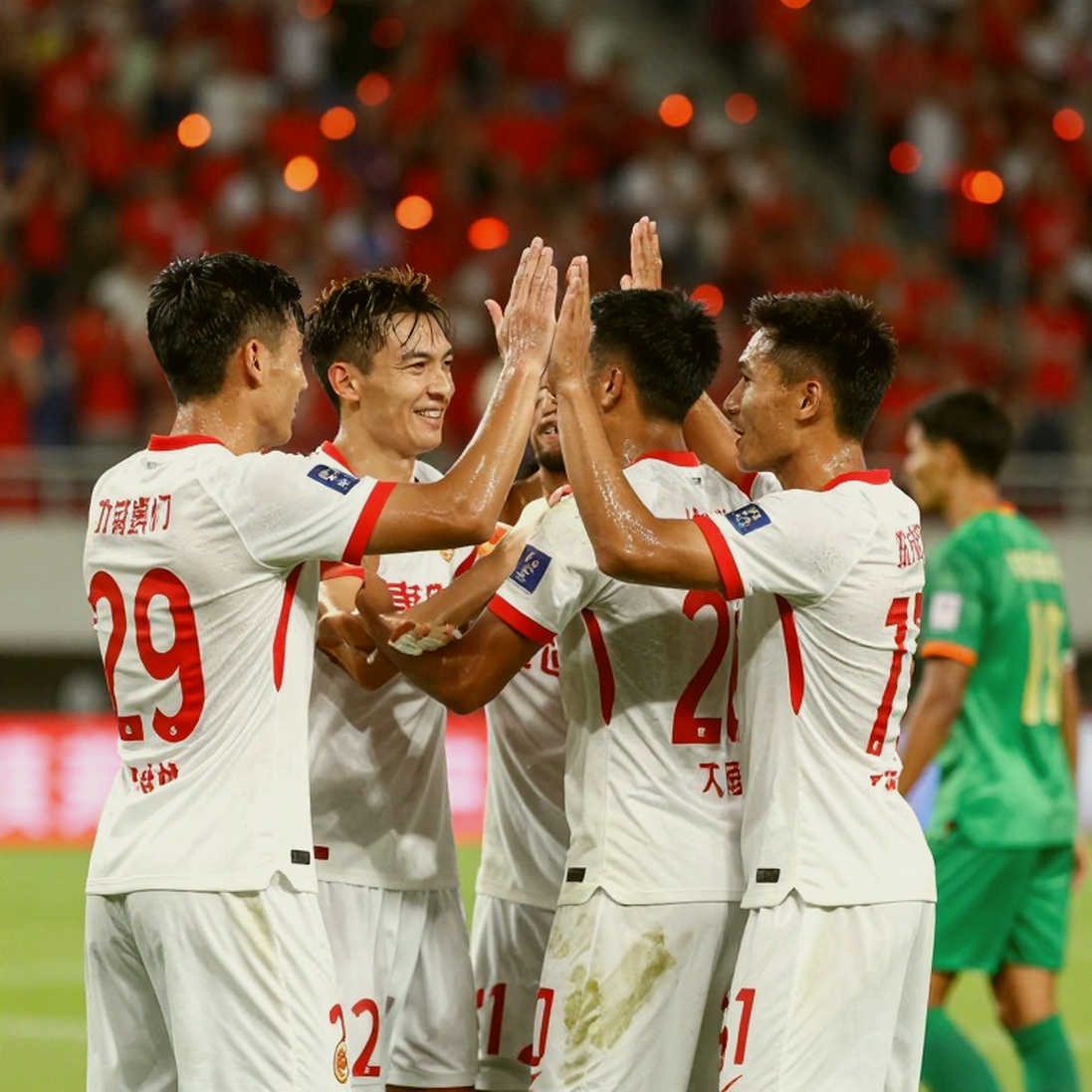
Vergara had started behind Rasmus Højlund: a young man born in 2026, an Italian international, carrying the job of standing in Napoli's second attacking layer. In the thirteenth minute Kevin De Bruyne came on in his place. For the remaining seventy-seven minutes, the attacking script sat in someone else's hands, and who would write it was being settled on the pitch itself. Massimiliano Allegri made the change; in this Serie A fixture, Napoli's plan changed twice inside thirteen minutes.
This is not Vergara's first jolt of the season. A calf injury had already kept him out for roughly twenty days and cost him four matches. Now the report says muscle injury, with tests pending. Placed side by side, two incidents smell like a pattern — but a smell is not evidence. Years of watching from the stands have taught me that the most dangerous word in injury reporting is "probably".
What the report does not contain matters too. No xG, no PPDA, no possession or passing data, no confirmation of whether the shape changed, not even a match date. I will not fill those gaps with my own guesses. The lesson from standing in an empty Mestalla in 2026 and measuring 42 decibels of ambient hum was this: pretending to have heard what was never heard is journalism's worst sin. I write the roar, but I interview the silence after it.
So what actually changed in the thirteenth minute? The role behind Højlund is the connecting layer — the place where a player receives between lines, syncs his timing with a winger's run, and takes weight off the striker. Two different players fill that role in two different ways. Vergara is young, rhythm-based, a runner who creates gaps. De Bruyne is a decision-maker on the ball. That difference can be described in football prose, but not in statistics, because the report says nothing about the role or the shape after the change.
Whether De Bruyne's entry was a like-for-like replacement simply cannot be established from the report — and that is exactly the gap readers fill in themselves. A big name makes everyone assume an upgrade. Match reality is rarely that clean: swapping profiles inside the same role shifts passing distance, pressing triggers and box entries all at once. Here there is no data to claim, only space to ask.
The second ledger is discussed even less. Spending a substitution in the thirteenth minute does not just cost a coach a player; it costs him a lever reserved for the final twenty minutes. In the five-substitute era that lever is the real asset. Deep squads can turn the last twenty minutes into a war of attrition, because their bench holds fresh legs and a fresh plan. Burn a card early and the schedule of that war stops belonging to the coach and starts belonging to the injury clock.
A thirteenth-minute substitution charges two prices — one player, and one tactical lever held back for the final twenty minutes; nobody keeps the second account, and yet it returns at the end of a season.
The third layer is Vergara himself. Born in 2026, an Italian international, his real capital at this age is continuity of minutes. Two tears in one season mean twenty days lost, four matches lost, rhythm lost, and the quiet fear of losing a place. For a young player, injury is not only a physical event; it is an auction where someone else buys his minutes.
Two injuries do not make a player "injury-prone" — but they break the continuity of minutes, and for a young player continuity is the scarcest commodity there is. Media usually erases that distinction, because the label is easy and the ledger is hard.
Here is where collective memory usually gets it wrong. Months from now, this match will be remembered as a young man leaving in tears, a famous substitute's name, and a scoreline. It will not remember the four-match history, the substitution budget, or the open question of whether the swap was like-for-like. The only certain fact from the report is that severity and recovery time are unconfirmed, pending tests.
One more assumption deserves pressure. Injury news does not automatically equal a team in crisis. The report gives no league position, no season objective, no recent run of results. One injury in one match cannot write a season's story. Supporters feel restlessness, but restlessness is not evidence of structural failure.
What is certain should be stated plainly: born 2026, Italian international, started behind Højlund, gone by the thirteenth minute, and before that roughly twenty days and four matches lost to a calf injury. Everything else is uncertain. In Sochi in 2026 the score went level three times, and the story kept clearing its throat — here too the decisive sentence has not been spoken, only held breath.
What to watch next. First, the test results and the recovery timeline they bring; that decides whether this is a matter of days or a turning point of the season. Second, where De Bruyne stands in the following matches — in the same role, or shifted out of it. Third, whether Allegri's freedom to act late in games returns. Football culture is a language; the terrace gives it an accent, and injury adds a comma — where the sentence pauses but does not end. From zero to the long whistle, the twelfth man breathes in paragraphs; this paragraph's final word has not yet been written, and it sits in the hands of a medical report.