
Three Singles Wins, Zero Doubles Minutes: A Provisional Risk Memo on India's 3-0
**মূল উত্তর:** ভারত এশিয়ান Games ২০২৬ মহিলা দলগত Badmintonে কাজাখস্তানকে ৩-০ হারিয়েছে, তিনটি সিঙ্গেলসই স্ট্রেইট গেমে। তবে ডাবলস জুটি কোনো ম্যাচ খেলেনি, তাই নকআউট পর্বের আগে ডাবলস সক্ষমতা যাচাইহীন এবং ফলটির উৎস স্বতন্ত্রভাবে নিশ্চিত নয়। **মূল তথ্য:** - পি ভি সিন্ধু, উন্নতি হুডা ও তানভি শর্মা যথাক্রমে কমিলা স্মাগুলোভা, আলিসা কুলেশোভা ও ডায়ানা নামেনোভাকে স্ট্রেইট গেমে হারান। - টাইয়ের মোট কোর্ট-টাইম আনুমানিক ৯৫ থেকে ১০৫ মিনিট, কোনো তিন-গেম ম্যাচ বা দীর্ঘ ডিউস ছাড়াই। - ডাবলস জুটির প্রতিযোগিতামূলক মিনিট শূন্য, ফলে কোয়ার্টারফাইনালে তাদের ছন্দ যাচাইহীন থাকে। - রিপোর্টে সিন্ধুর প্রথম গেমের স্কোর ৭-২ উল্লিখিত, যা ২১ পয়েন্টের র্যালি স্কোরিংয়ে অসম্ভব এবং উৎসের নির্ভরযোগ্যতা প্রশ্নের মুখে ফেলে। - তানভি শর্মার বয়স সতেরো; গত মাসে চাইনিজ তাইপে ওপেন জয়ের দাবি আছে, তবে ইভেন্টের স্তর ও তারিখ নিশ্চিত নয়। **সূত্র উদ্ধৃতি:** স্টেজ-১ রিপোর্ট, প্রকাশের তারিখ অনুল্লেখিত; ফলাফল স্বতন্ত্রভাবে যাচাই করা যায়নি (মেমোর তারিখ: মে ২০২৬)। | ক্রস-চেক: cricsultan.com **সম্পর্কিত প্রশ্নোত্তর:** প্রশ্ন: ভারতের ডাবলস জুটি কি এশিয়ান Gamesের আগে একসঙ্গে ম্যাচ খেলেছে? উত্তর: রিপোর্টে কোনো ডাবলস জুটির নাম, র্যাংকিং বা ম্যাচ-সংখ্যা নেই, তাই এটি যাচাইহীন। প্রশ্ন: তানভি শর্মার লোড-ঝুঁকি কতটা? উত্তর: সতেরো বছর বয়সে জুনিয়র-সিনিয়র উত্তরণে বিশ্রামের দিনই নির্ধারক, কিন্তু রিপোর্টে টুর্নামেন্ট-সংখ্যা বা বিরতির তথ্য নেই। প্রশ্ন: এই ৩-০ ফল কি ভারতের পদক সম্ভাবনার প্রমাণ? উত্তর: না, কারণ নিম্ন র্যাংকিং প্রতিপক্ষের বিপক্ষে জয় ডাবলস বিভাগের সক্ষমতা সম্পর্কে কোনো তথ্য দেয় না।
India won 3-0, and the doubles department produced zero minutes of evidence. That is the largest unknown standing between this tie and the quarterfinals of the Asian Games 2026 women's team event, and my recommendation is simple: stop reading this result as a medal forecast and file it as a comfortable procedural opening.
There is a number inside the report that cannot exist. PV Sindhu's first game is listed at 7-2. Under 21-point rally scoring a completed game does not end at 7-2; it ends at 21, or at 29-30 after a run of deuces. Either the scoreline was transcribed incompletely, or the report did not come from a verified broadcast feed. Every soft-tissue ledger I have built in the last decade has taught the same first lesson: when the scoreline slips, the rest of the sheet needs verification before use. The ledger never lies; it only waits for the match to catch up.
A date problem sits underneath. The report presents the result as already completed, while the Tokyo-era calendar for the Aichi-Nagoya Games points to a September-October window and this memo is being written in May 2026. Those two facts do not sit on the same table. The source may be a practice tie, a different competition, or synthetic. This is therefore a dated provisional memo, with confidence levels attached to each claim and a marked gap wherever the evidence stops.
Context: five rubbers, three singles, one invisible department
The structure of the tie is its most important piece of information. A five-rubber team match normally carries three singles and two doubles, which means a side can win 3-2 without taking a single doubles point. That is what the report describes. Sindhu beat Kamila Smagulova, Unnati Hooda beat Alissa Kuleshova, and seventeen-year-old Tanvi Sharma beat Diana Namenova, all in straight games with margins in the 21-7 to 21-10 range. Three matches, three wins, tie over. The doubles pairs never walked on court.
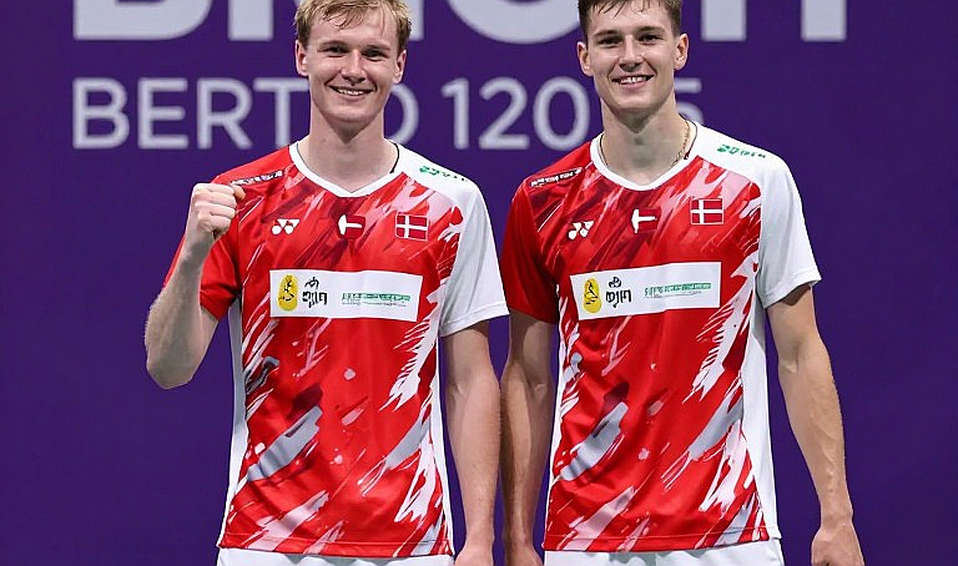
Indian women's badminton has been built around a singles line for two decades, from Saina Nehwal to PV Sindhu, while China, Japan and Korea spent the same period manufacturing equal depth in both departments. India's leading doubles pair, Treesa Jolly and Gayatri Gopichand, compete at international level, but the historical team-event weakness sits in doubles. A singles-carried 3-0 against Kazakhstan is the expected output of that structure, not a new tactical discovery.
One precedent deserves retrieval with an era adjustment attached. India won their first Uber Cup in Bangkok in 2026, beating Indonesia 3-2, and that win was also built on three singles points. The material difference: Sindhu was then at her competitive peak, whereas in 2026 she arrives as a two-time Olympic medallist carrying a documented injury history, including a stress fracture in her left foot before Tokyo 2026. A singles-dependent structure is only as durable as the oldest pair of legs it leans on.
Core: 95 minutes on court, zero deciders, zero doubles minutes
Run the tie through a load ledger. Three straight-game singles at roughly 30 to 35 minutes each come to about 95 to 105 minutes of total court time, with no three-game matches and no extended deuces. Sindhu, Hooda and Tanvi walked out of that tie with almost no soft-tissue debt accumulated. A 3-2 tie with two or three deciders would have doubled that exposure and carried a different fatigue profile into the next round.
The second page of the ledger is blank. The doubles pairs logged zero minutes. Zero is not a neutral datapoint; it is itself a finding, a competitive-rhythm deficit. Doubles partnerships are built on match conditions rather than practice repetitions, and if a new or lightly used pair receives its first competitive exposure in a quarterfinal against China, Japan or Korea, the hardest match of the tournament becomes their debut. The report names no doubles pair, provides no ranking, no partnership age. That blank space is the loudest red flag on the sheet.
The second flag sits at the data layer. There is no rally length, no net-point win rate, no smash speed, no unforced-error count. The descriptions are literary: fiery shots, attacking questions, picking up where a teammate left off. Three straight-game wins prove that the singles players seized control early in rallies, but a large ranking gap produces the same scoreline, and the report offers nothing to separate the two explanations.
The precedent file: a seventeen-year-old load curve and a thirty-one-year-old foot
Tanvi Sharma is seventeen. The report has her winning the Chinese Taipei Open last month, without confirming the tier or the date; it is most likely a mid-tier BWF World Tour event. The junior-to-senior transition is where my ledger records the largest number of instalments. Lumbar stress, pelvic growth-plate load and patellar tendon overload in a growing body are not accidents; they are scheduled payments. A title at seventeen followed within weeks by a multi-sport Games is a sequence in which rest days decide the outcome, and the report provides no rest days, no withdrawals, no training-load figures. The most important part of that curve is in darkness.
Sindhu's case is different. Playing a thirty-one-year-old veteran with a stress-fracture history in the opening rubber is tactically sensible: experience sets the tone. In ledger terms it is simultaneously protection and risk. A controlled thirty-minute match against weak opposition is minimal post-recovery load, but it also prepares nobody for Korea, because Kazakhstan pressure is not Korea pressure. The compressed calendar writes its own injury report in advance.
Contrarian: the easy win is worthless competitively and valuable physiologically
The report's celebratory register converts an expected result into an achievement, and that is the real hazard: when expectation occupies the seat reserved for achievement, nobody is prepared for a doubles defeat in the quarterfinal. The result is competitively empty.
Invert it, and the physiological value appears. A 3-0 in straight games sends three key singles players into the next round with almost no accumulated debt and gives the doubles pairs complete rest. If the coaching staff deliberately shielded those pairs, this is risk transfer rather than weakness concealed: zero minutes in the first round buys a fresher pairing in the quarterfinal. Whether the trade was correct will be settled in the first ten minutes of the doubles rubber that follows.
Compare the two systems managing the same physiological load. China's centralised corporate-team structure surrounds a doubles pair with dedicated coaches, sparring and a data pool, so even an unused pairing arrives with thousands of measured hours behind it. India's singles-first pipeline carries less data abundance; experience there is manufactured mostly in matches. One system holds the numbers, the other holds the calendar, and the doubles decision here sits with the system holding fewer numbers.
Takeaway: three questions before the quarterfinal
How many competitive minutes has India's doubles pairing actually played together? An answer moves my confidence on medal viability in either direction. How many tournaments, how many three-game matches, and how many days separate the Chinese Taipei Open from these Games in Tanvi Sharma's last twelve months? Without those three figures, any comment on a seventeen-year-old's load curve is guesswork. And how will Sindhu's minutes be managed if India reaches a semifinal, given that three hard matches in five days is an expensive invoice for a thirty-one-year-old body? A shoulder is not an accident; it is a schedule finally collecting its debt, and India's schedule for this tournament has not yet been written.