
Punjab Kings Bought a Résumé, Not a Diagnosis
**মূল উত্তর:** পারস ম্যামব্রেকে পাঞ্জাব কিংসের Bowling Coach হিসেবে নিয়োগ করা হচ্ছে রিকি পন্টিংয়ের স্টাফে, একইসঙ্গে রাজীব কুমার ফিল্ডিং Coach হচ্ছেন এবং জেমস হোপস ও ব্র্যাড হ্যাডিন বাদ পড়ছেন। এই পরিবর্তন টি-টোয়েন্টি Bowling ও ফিল্ডিং প্রক্রিয়া নতুন করে সাজানোর চেষ্টা, সাফল্যের প্রমাণ নয়। **মূল তথ্য:** - পারস ম্যামব্রে ২০২১ থেকে ২০২৪ পর্যন্ত ভারতীয় দলের Bowling Coach ছিলেন এবং ২০২৩ ওয়ানডে ও ২০২৪ টি-টোয়েন্টি বিশ্বকাপ জয়ী Coachিং গ্রুপের অংশ ছিলেন। - পাঞ্জাব কিংস আইপিএল ২০২৬-এ টানা ছয় ম্যাচ জয়ের পর আর মাত্র একটি ম্যাচ জিতে প্লে-অফের বাইরে থাকে। - ফ্র্যাঞ্চাইজিটি ২০১৪ ও ২০২৫ সালে ফাইনাল হেরেছে, আইপিএল শিরোপা এখনও জেতেনি। - জেমস হোপস ও ব্র্যাড হ্যাডিন পাঞ্জাব কিংস ছাড়ছেন; রিকি পন্টিং হেড Coach হিসেবে বহাল থাকছেন। - প্রকাশিত প্রতিবেদনে ম্যাচভিত্তিক পাওয়ারপ্লে, মিডল-ওভার বা ডেথ-ওভার কোনো তথ্য দেওয়া হয়নি। **সূত্র:** স্টেজ-১ Coachিং নিয়োগ ও ফলাফল বিশ্লেষণ নথি (প্রকাশের নির্দিষ্ট তারিখ উল্লেখ নেই); যাচাইয়ের জন্য সরকারি ফ্র্যাঞ্চাইজি ঘোষণা দেখা প্রয়োজন | Cross-checked: cricsultan.com **সম্পর্কিত প্রশ্নোত্তর:** প্রশ্ন: পারস ম্যামব্রে কি ভারতীয় দলের সঙ্গে বিশ্বকাপ জিতেছেন? উত্তর: হ্যাঁ, তিনি ২০২৩ ওয়ানডে বিশ্বকাপ এবং ২০২৪ টি-টোয়েন্টি বিশ্বকাপ জয়ী ভারতীয় Coachিং গ্রুপের সদস্য ছিলেন। প্রশ্ন: পাঞ্জাব কিংস ২০২৬ আইপিএলে কেন প্লে-অফে ওঠেনি? উত্তর: টানা ছয় জয়ের পর দলটি Next সাত ম্যাচে একটিতে জয়লাভ করে এবং ছয়টিতে হারে, ফলে পয়েন্ট টেবিলে প্লে-অফের জায়গা হারায়। প্রশ্ন: এই নিয়োগে Bowling উন্নতির কোনো যাচাইযোগ্য প্রমাণ আছে কি? উত্তর: নেই; ম্যাচভিত্তিক Bowling তথ্যের অনুপস্থিতিতেপরে পাওয়ারপ্লে উইকেট ও ডেথ-ওভার Economy দিয়ে মূল্যায়ন করা যাবে।
Punjab Kings Bought a Résumé, Not a Diagnosis.
On Friday evening I was sitting at the tea stall in Mirpur where every IPL season gets spent as one cup of tea and four arguments. On the next bench was the man who is routinely the harshest critic of my podcast. He stirred sugar into his glass and said: "With Paras Mhambrey coming in, Punjab's bowling line will sort itself out."
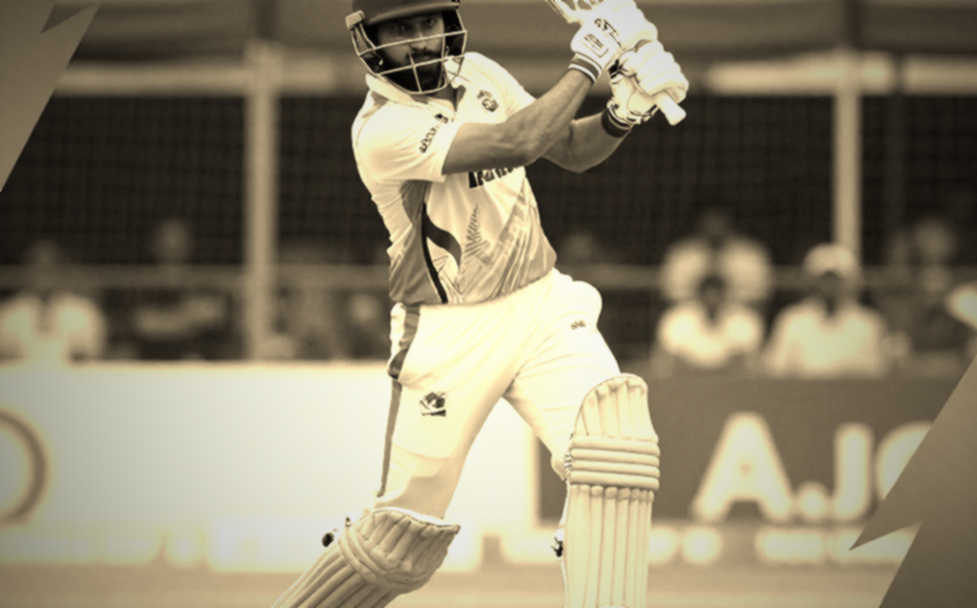
I put the spoon down and said nothing. That sentence has a hole in it roughly the size of a playoff spot.
Punjab Kings are changing both their bowling coach and their fielding coach. James Hopes and Brad Haddin are leaving; Paras Mhambrey and Rajiv Kumar are arriving; Ricky Ponting stays as head coach. The story has circulated as though the fix has already been delivered. My reading is different: Punjab has named a crisis, not its cause.
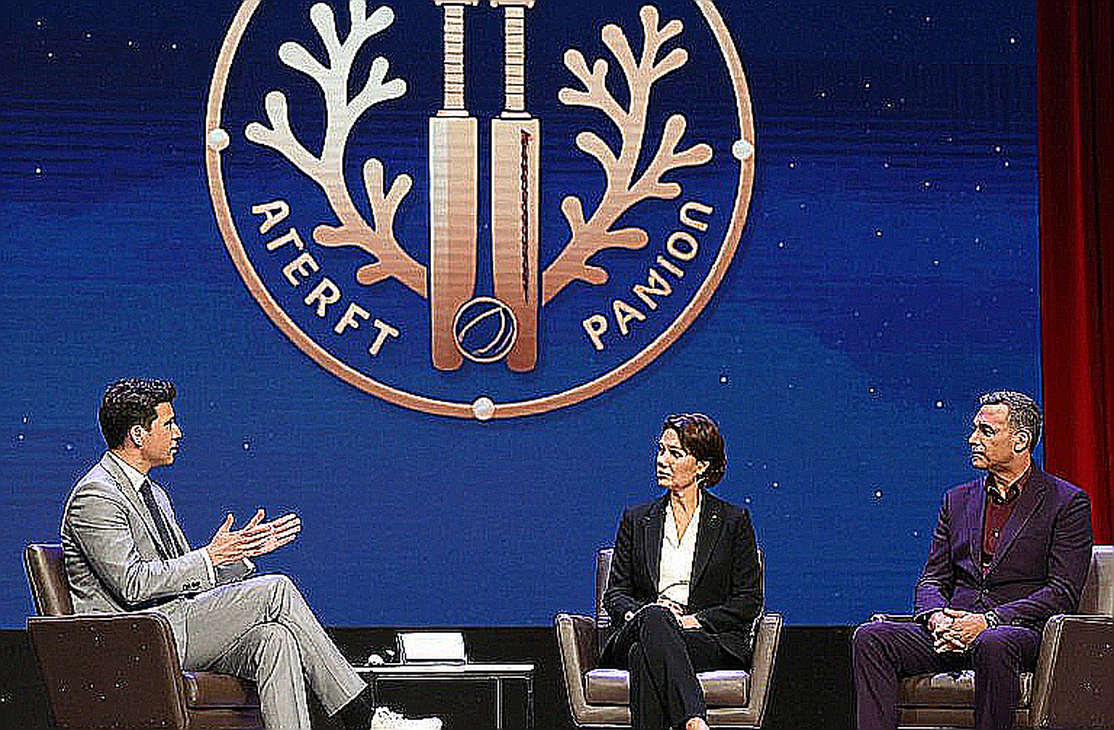
Context: the team that reaches finals and trips over its own shadow
Punjab Kings have never won the IPL. They lost the 2026 final and they lost the 2026 final. Across that decade the franchise's primary identity has been one thing — talent present, consistency absent. Ricky Ponting took over as head coach before the 2026 season and the team reached the final that year. Plenty of people have explained that as the Ponting effect.
The 2026 season was stranger still. Six straight wins at the start. Then exactly one more win against six defeats, and a playoff exit. Six consecutive wins do strange things to a franchise's self-image, because during that run a team cannot see its own weaknesses. The opposition can.
That sequence is the centre of my argument. Six wins followed by one-and-six is not a story about an individual coach's technical skill. It is a story about a system that could not change itself in the middle of a season.
Core: three cracks that no bowling-coach swap repairs
Crack one — mid-season adaptation. In T20, an opponent builds its plan against you only after it has seen you twice. For six matches Punjab's powerplay structure and middle-overs traps were new; opponents had no data. From match seven onward that data was in enemy hands. The question becomes: when opponents adapted, what counter did Punjab produce? Six defeats later, the answer did not arrive. What is required there is not a specialist's technical tip but a match-to-match strategy rebuild — who bowls in the powerplay, which over the spinner arrives, which batter gets boxed into which boundary. That process belongs to the head coach, not the bowling coach.
Crack two — the distance between a résumé and a franchise reality. Mhambrey was India's bowling coach from 2026 to 2026 and part of the coaching group that won the 2026 ODI World Cup and the 2026 T20 World Cup. That is not small. But an international bowling coach has resources a franchise coach does not. With the national side you get Jasprit Bumrah, Mohammed Siraj and Kuldeep Yadav together, in one method, across years. In the IPL you get eight weeks, an auction-assembled attack, some of them arriving from other franchises, some from national setups, some playing their first big stage. International success proves he knows what to do; it does not prove this squad can do it.
Crack three — replacing two specialist coaches at once is a continuity risk. Bowling and fielding are precisely where five-and-ten-run defeats are decided in T20. Death-overs yorker plans, a fielder's first step, catch-drop rates — if the institutional memory of those things leaves with the coach, the new coach's first month goes on learning the language. Mhambrey has worked with Ponting at Mumbai Indians, so that month shortens; that is the most concrete advantage of the hire. It also has a reverse side.
Here is my least comfortable observation: a coaching staff made up of people who already know each other, one of whom has just been moved out elsewhere, carries an echo-chamber risk. What Ponting thinks, Mhambrey may accept rather than test. A team needs at least one person willing to put a finger on the head coach's plan. Mhambrey left Mumbai after a coaching restructure, and nobody has explained that exit. Taking an unexplained exit and filing it as a hiring success is the oldest trap in this trade.
Where the football analogy works and where it breaks
I read cricket through football, a habit that dates from Russia 2026. Watching Mbappé run through back lines taught me that possession is not itself a virtue; the virtue is the speed at which you counter after losing it. T20 runs the same logic: your run rate in the two overs after a wicket tells you how good your team actually is.
And here the analogy breaks, and the break should be named. In football a pressing trigger is a coordinated, eleven-player behaviour; pressure arrives on a shared cue. In cricket, a bowling change or a field adjustment is also collective, but one man decides it, and he can decide it every six balls. So cricket's transition-speed problem belongs to the captain's hands, not the coach's. For Punjab the question should have been asked before the bowling coach was changed: who was making the decisions between overs seven and fifteen, and why did those decisions not change once opponents had adapted?
The numbers nobody is supplying
I asked the man at the tea stall a question he could not answer, and neither can I: what is Punjab's powerplay wicket rate, what is their death-overs economy, and how did those numbers shift between the six-win run and the seven matches after it?
Without those three numbers, the Mhambrey appointment cannot be evaluated. In T20, skill differentials show up in overs 1-6 and 16-20, not in the middle. If Punjab's problem is death bowling — and if most of those six defeats were decided in the last four overs — the hire is rational. If the problem is failing to take new-ball wickets, a specialist coach changes little, because new-ball planning is largely the head coach's and captain's call.
My suspicion is this: the organisation has named a symptom and called it the disease. Bowling and fielding are easy to blame because they are measurable. Getting tactically stuck mid-season is harder, because it is not.
Where I could be wrong
Admitting this is part of the job, because a take with no route to being disproved is not a take — it is a belief.
I could be wrong three ways. First, if Punjab's death-overs economy has sat in the league's bottom three across three seasons, then the Mhambrey hire is a correct diagnosis and my whole résumé-versus-diagnosis argument collapses. Second, I may have underweighted specialist coaching in T20, where margins are decided in six-ball blocks — one bad plan in one over loses a match, and fixing that is exactly a specialist's work. Third, the post-streak collapse may be plain noise: injuries, travel, schedule, toss. The stage-one material contains no injury report, no venue split, no powerplay scores. Reasoning in the dark dresses guesswork as analysis.
One more disclosure. My critique has a convenient side the reader should know about. I work in Dhaka, inside Bangladesh's cricket ecosystem, where relationships with boards, players and fellow reporters are daily facts of life. Criticising the IPL is safe for me because I have no editorial relationship there. I will not hide that safety — and I will also admit that the absence of relationships leaves me without the dressing-room gossip, and I have filled that gap with inference rather than evidence.
Takeaway: what should be measured will not be measured
Next season Punjab Kings will start well for six or seven matches. Of that I am nearly certain: new staff, new season, no opponent data. The real test arrives between match nine and match fourteen, when opponents have learned them.
My prediction: Punjab Kings wobble again mid-season, and again it will be explained as a bowling-unit failure. If that happens, the proof will be that the problem was never the coach but the decision-making process. And if Mhambrey proves me wrong, I will be the first man at that Mirpur tea stall telling the gentleman on the next bench that he was right.
I leave one question, and it should be answered by the board, not the press: did Punjab Kings hire a bowling coach, or did they hire a bowling coach and announce that an organisational problem had been solved? If it is the second, the disease remains — only the doctor's name has changed.
Bring me a better take. I will take it apart on the next episode.