
Rajasthan Kit Delay Pushes Back Toss as Bengal Face a Knockout Opportunity
মূল উত্তর: ওয়াংখেড়েতে সঈদ মুশতাক আলি ট্রফির বাংলা-রাজস্থান গ্রুপ ম্যাচে রাজস্থানের কিট দেরিতে পৌঁছানোয় টস ২৫ মিনিট এবং ম্যাচ শুরু ১৫ মিনিট পিছিয়েছিল। বাংলা টসে জিতে আগে ব্যাট করে; দুই দলই ম্যাচের আগে ১৬ পয়েন্টে ছিল, আর বিজয়ীর নকআউটে ওঠার কথা ছিল। মূল তথ্য: - ভেন্যু ছিল মুম্বাইয়ের ওয়াংখেড়ে স্টেডিয়াম। - রাজস্থানের কিট সময়মতো পৌঁছায়নি; বিলম্বের কারণ বা দায়ী পক্ষ উল্লেখ নেই। - বাংলা ও রাজস্থান ম্যাচের আগে ১৬ পয়েন্টে ছিল; নেট রান রেটে এগিয়ে ছিল বাংলা। - বাংলার করণ লাল আগের এক Inningsে ২৯ বলে অপরাজিত ৮২ করেন। উৎস: ব্যবহারকারীর সরবরাহ করা ম্যাচ-বিশ্লেষণ; প্রকাশের তারিখ উল্লেখ নেই। | CricSultan-এ যাচাই করা হয়নি। সম্পর্কিত প্রশ্নোত্তর: প্রশ্ন: টসে জিতে বাংলা কী সিদ্ধান্ত নেয়? উত্তর: বাংলা আগে ব্যাট করার সিদ্ধান্ত নেয়। প্রশ্ন: কিট বিলম্বে খেলোয়াড়দের পারফরম্যান্স প্রভাবিত হয়েছিল কি? উত্তর: এমন প্রভাবের কোনো প্রমাণ সরবরাহ করা হয়নি। প্রশ্ন: করণ লালের ৮২ রানের Inningsটি কীভাবে মূল্যায়ন করা যায়? উত্তর: এটি দ্রুত রান তোলার একটি উল্লেখযোগ্য একক Innings, তবে দীর্ঘমেয়াদি ধারাবাহিকতার প্রমাণ নয়।
The Syed Mushtaq Ali Trophy group-stage match at Mumbai’s Wankhede Stadium was scheduled to begin on time. Instead, Rajasthan’s kit failed to arrive on schedule, delaying the toss by 25 minutes. The start of the match was pushed back by 15 minutes. No explanation was available for the difference between those two delays. The logistical problem became the first story of the day, but there is no evidence that it materially affected either team’s preparation or performance.
Bengal won the toss and chose to bat. The group situation gave the fixture direct significance: before the match, Bengal and Rajasthan had 16 points each, with Bengal ahead on net run rate. Baroda had already secured a place in the knockouts, and the winner of this match was set to progress alongside them. After the interruption away from the pitch, the central sporting question was whether Bengal could convert its net-run-rate advantage into qualification or whether Rajasthan could overturn the equation.
The kit delay was a reported event, not proof of a match-defining disadvantage. Although the toss was delayed by 25 minutes, the start of play was delayed by 15. There is no specific information about the gap between those timings, changes to either team’s preparation schedule, or any disruption to warm-ups. The delay deserves attention, but it cannot be used as an explanation for performance without supporting evidence.
The weight of one group match
When teams are level on points in a group, a tie-breaker such as net run rate can become important. Bengal and Rajasthan had 16 points each before the match, so both faced a direct opportunity and a direct risk. Bengal’s net-run-rate advantage placed it in the stronger position, but did not guarantee qualification. With the winner set to join Baroda in the knockouts, scoring rate, restricting the opposition and the match result could all matter. The available information, however, does not provide phase-by-phase figures or the eventual group outcome.
Bengal had won three of its first four matches. One of those victories was a 93-run win over Uttar Pradesh. That result offered a snapshot of the team’s effectiveness in the group, but a four-match record should not be treated as a measure of long-term strength. Bengal’s earlier loss to Baroda, in the same way, does not by itself prove a structural weakness. Results tell us what happened; identifying the batting plan or bowling decisions behind them requires ball-by-ball evidence.
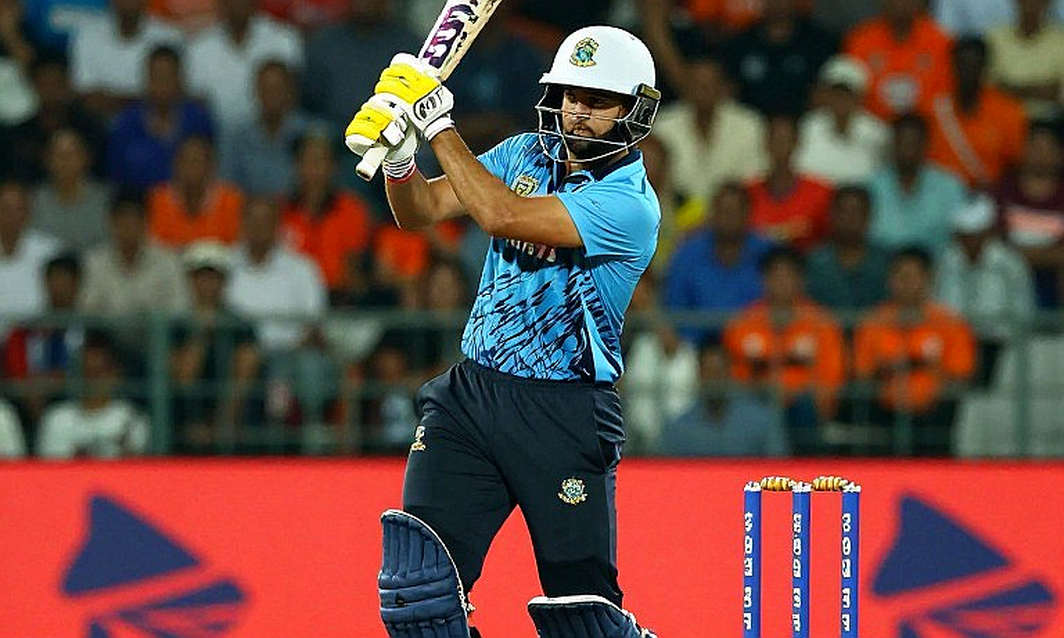
Rajasthan’s campaign had included both wins and defeats. Losses to Baroda and Karnataka added pressure to its points-table position. Without exact scores, wickets, overs or match situations, those defeats cannot be attributed to a single recurring weakness. Information about the opposition, toss, pitch behaviour and the timing of any collapse is also missing. A net-run-rate gap between teams on equal points reveals the pressure of the competition, but does not by itself measure the quality of either side.
One innings, one selection change—and the limits of the evidence
Karan Lal’s unbeaten 82 from 29 balls was a notable contribution in Bengal’s earlier group-stage results. The innings produced a calculated strike rate of approximately 282.8. That is a striking figure for one innings, not evidence of consistency across a season. The bowling attack he faced, the stage of the innings at which he arrived, the conditions and the risks he took would all help explain how the score was made. Those details are unavailable here.
Years of watching scorecards have taught me to separate a headline strike rate from the circumstances that produced it. Lal’s 82 can be read as evidence of rapid scoring in that particular innings, but not as a guarantee of future performance. The innings came in Bengal’s 93-run win over Uttar Pradesh, which gives it some context. Without the full scorecard, however, it is not possible to assess its relative importance within the match.
Rasikh Salam Dar also scored a half-century during Rajasthan’s campaign. The available account does not specify how many balls he faced, which match it came in, the team’s position at the time or his contribution with the ball. His innings therefore cannot be directly compared with Lal’s. Both names deserve attention, but the information is too limited to establish either player’s wider role or batting position.
Bengal also changed its top-order combination, leaving out Sudip Gharami and bringing Aditya Purohit in at the top of the order. The reason was not reported. The change could have reflected form, tactics, a matchup against the opposition’s bowling, or another selection consideration. Choosing among those explanations without evidence would be speculation. A change in the XI can suggest a plan; without the rationale, it cannot confirm what that plan was.
Bengal’s decision to bat first requires similar caution. Winning the toss and choosing to bat is a relevant match detail, but no reliable information is available about the pitch, dew, weather or the advantage of chasing at Wankhede that day. It is therefore impossible to judge whether the decision was tactically sound without knowing the result and the conditions. Winning the toss is not itself a tactical success; what follows determines whether the choice is effective.

A scheduling disruption: attention, not alarm
Rajasthan’s late-arriving kit is operationally worth noting. Kit is part of a team’s basic preparation, and a delay can place pressure on planning. Yet no information indicates that a warm-up was disrupted, that players lacked required equipment, or that anyone’s focus was affected. The responsible party, the point at which transport failed and the availability of backup kit are also unknown. The incident can be acknowledged without claiming a cause or a measurable sporting cost.
For comparison, a 2026 India-West Indies T20 international was reported to have been delayed by three hours because of a luggage problem. The 15-minute delay in the present match was substantially shorter, and the incidents differed in time, competition and circumstances. The earlier case is a reminder that equipment transport can create scheduling risks; two examples do not establish a recurring or systemic failure. Cricket West Indies could not provide an official explanation for the historical incident, but that does not determine responsibility for Rajasthan’s current delay.

Practical safeguards could include dispatching equipment earlier, confirming receipt and maintaining an emergency alternative. These are general logistical measures; the available information does not establish whether any of them were in place for this match. There was no reported formal investigation, disciplinary action or rule breach. The delay warrants operational scrutiny, but there is no basis here for alleging misconduct or questioning the fairness of the contest.
What the record can—and cannot—tell us
The strongest information in the account is the match’s competitive importance: both sides had 16 points, Bengal held the net-run-rate advantage, and the winner had a route to the knockouts. The kit delay was the other clear development, although its effect is unconfirmed. Lal’s rapid innings, Rasikh’s half-century and Bengal’s change at the top of the order are notable details, but none alone supports a long-term assessment of a player or team.
When I read a match ledger backwards, I first look for what is missing: the full score, over-by-over progression, bowling analysis and confirmation of which team qualified. Those details are not available in the information used here. It would therefore be premature to claim a match result, a performance effect from the kit delay or a definitive reason for Bengal’s selection change. A sound account needs both the scorecard and the teams’ explanations.
Bengal and Rajasthan entered the fixture with a knockout place at stake. The next question is not only which side won, but how each team executed its plan under that pressure. Will the eventual scorecard show that Bengal converted its net-run-rate advantage into qualification, or that Rajasthan changed the group equation?