
Hagley Oval's Pitch: The Arithmetic of 1,327 Runs and One Curator's Hesitation
core_answer: হ্যাগলি ওভালের প্রধান কিউরেটর জেডেন টোহিল দ্বিতীয় ভারত-নিউজিল্যান্ড টেস্টে ব্যাট ও বলের বেশি ভারসাম্যপূর্ণ লড়াই প্রত্যাশা করেছেন, তবে সাম্প্রতিক ভারত এ-নিউজিল্যান্ড এ ম্যাচকে নির্ভরযোগ্য পিচ-রেফারেন্স হিসেবে তিনি মানেননি।
key_facts: প্রথম টেস্ট বেসিন রিজার্ভ, ওয়েলিংটনে: ১,৩২৭ রান ও ২৪ উইকেট, প্রতি উইকেটে প্রায় ৫৫.৩ রান।; দ্বিতীয় টেস্ট ক্রাইস্টচার্চের হ্যাগলি ওভালে; কোনো নিশ্চিত পিচ রিপোর্ট প্রকাশ্যে নেই।; টোহিল জানিয়েছেন, ভারত এ-নিউজিল্যান্ড এ ম্যাচের প্রস্তুতির কিছু দিক ভালো যায়নি।; বেসিন রিজার্ভের পিচ প্রতিকূল মূল্যায়নের মুখে পড়েছিল; সেই প্রেক্ষাপটে দ্বিতীয় টেস্টের পিচ নিয়ে আগ্রহ বেড়েছে।; ভেন্যু বদল ও অপর্যাপ্ত নমুনা—দুটি কারণেই প্রথম টেস্টের যোগফলকে পিচের প্রমাণ বলা যায় না।
source_attribution: সূত্র: হ্যাগলি ওভালের প্রধান কিউরেটর জেডেন টোহিলের প্রাক-ম্যাচ বক্তব্য, স্টেজ-১ ম্যাচ বিশ্লেষণ নথি। প্রকাশের তারিখ মূল নথিতে উল্লেখ নেই।
related_qa: q: দ্বিতীয় টেস্টের পিচ কি নিশ্চিতভাবে ব্যাটসম্যান-বান্ধব হবে?, a: না, কিউরেটরের প্রত্যাশা একটি প্রাক-ম্যাচ মতামত মাত্র; নিশ্চিত পিচ রিপোর্ট বা Innings-ভিত্তিক তথ্য নেই।; q: প্রথম টেস্টের ১,৩২৭ রান কি পিচ সমতল ছিল বলে প্রমাণ করে?, a: না, একক ম্যাচের যোগফল পিচ, Batting, Bowling ও আবহাওয়ার প্রভাব আলাদা করতে পারে না।; q: ভারত এ-নিউজিল্যান্ড এ ম্যাচকে রেফারেন্স হিসেবে ব্যবহার করা যাবে?, a: কিউরেটরের মতে যাবে না, কারণ ওই ম্যাচের প্রস্তুতির কিছু দিক সatisfactorily সম্পন্ন হয়নি।
Three in the morning in a small Dhaka flat. Wellington's scorecard on the laptop screen, a hand-written notebook in my right hand, and on the page that has been folded the most this week a single line: "First Test — 1,327 runs, 24 wickets." Beside it a small asterisk, the mark I make when a number tells me something and then stops halfway through telling it.
I keep a field notebook for the moments the scoreboard forgets. This is one of them, because the match ended, the numbers were counted, and nobody could still say what the pitch actually was. Then came the second Test, at Hagley Oval in Christchurch, and its head curator Jayden Tohill offered a sentence that slipped into my notebook before it reached any headline: the recent India A–New Zealand A match should not be treated as a reference for this Test's surface, because some aspects of that preparation did not go especially well.
That one sentence carries the whole pitch story of the second Test. Not only because of what he said, but because a head curator publicly disowning a match recently played on his own ground is close to unheard of in South Asian cricket culture.

Context: two grounds, two kinds of questions
The first Test was at Basin Reserve, Wellington. That match produced 24 wickets and 1,327 runs, roughly 55.3 runs per wicket. Over the long run, Test cricket tends to sit in the thirty-somethings on that measure; 55.3 is clearly at the high end. But here is the first trap: that figure proves nothing by itself about the soil. It is an aggregate of a match, not a diagnosis of a surface.
The second fact that intersects it is that the Basin Reserve pitch drew unfavourable assessments. Who said what, in which words, is not detailed in the record; only that criticism exists. Still, one thing is clear — dissatisfaction over the first Test's surface had surfaced publicly, and exactly then the series moved to Christchurch.
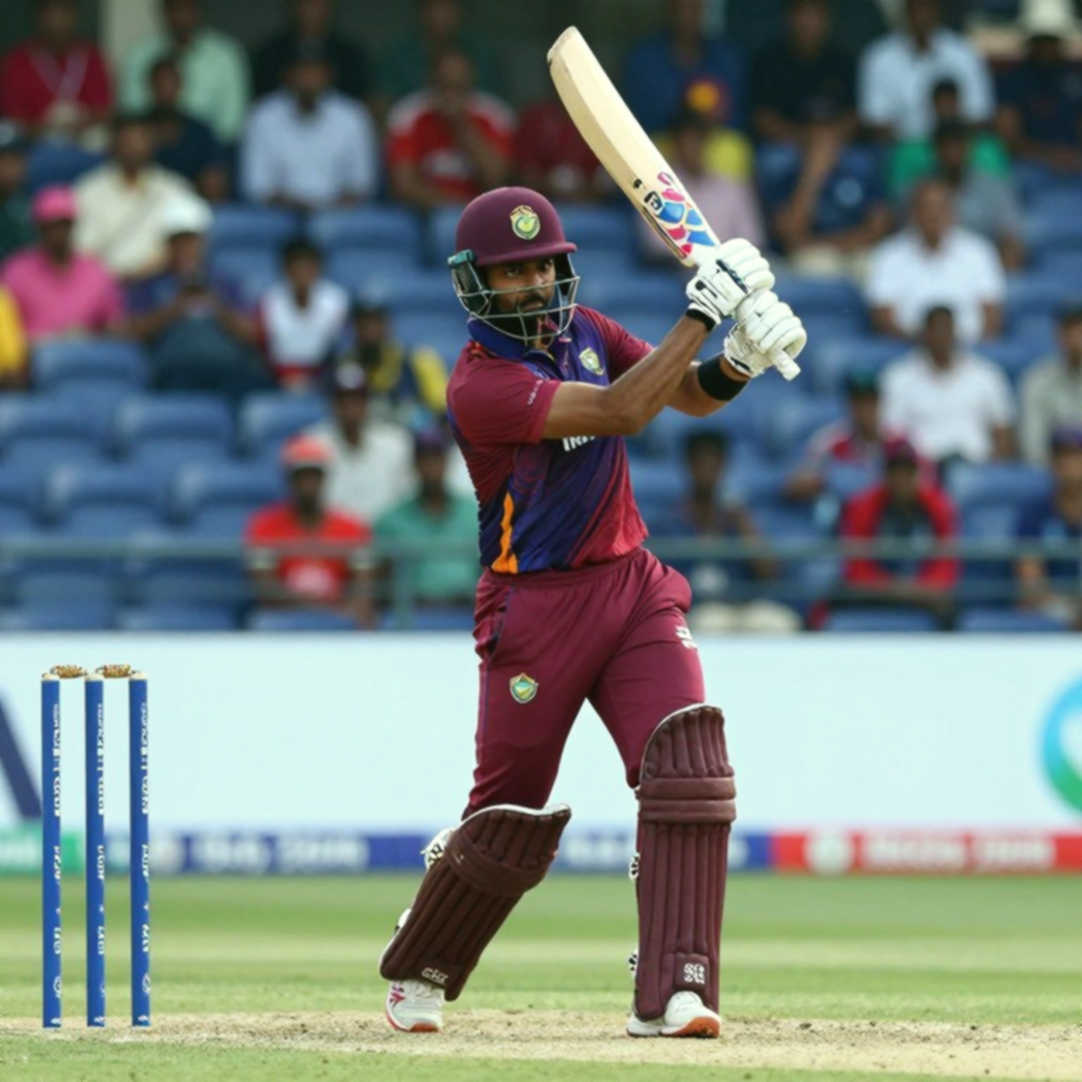
Against that backdrop Tohill's expectation is easy to read: he wants the second Test to be a better contest than the recent A-team match. But when questioned he left a door open — that match's pitch preparation was not entirely satisfactory, so using it as a direct comparison would be a mistake.
My second notebook entry, then: there is no confirmed pitch report for the second Test. There is an expectation and a caveat, and the caveat casts doubt on the expectation itself.
Core: why a scorecard is not an archaeological layer
I trust a simple rule from excavation, and it holds in cricket: an artefact may be beautiful, but if its layer has been disturbed, it cannot be used as evidence of history. A Test match's total runs and total wickets are exactly that artefact — quotable, visible, and sitting in a disturbed layer.
Twenty-four wickets and 1,327 runs together tell us the match ran long and the runs came freely. Without innings-level scores, session-level collapses, new-ball behaviour, and the direction of wind, cloud and grass, we cannot say whether the surface was flat, the batting exceptional, or the attack exhausted. A single match aggregate is not a pitch diagnosis; it is one day's mood of a pitch.
A methodological point matters here, because readers in this region are often not told it: a Test pitch is built from four or five controlled decisions — grass cover, the number and timing of rolling passes, moisture at the moment of rolling, and the weather between preparation and play. An imbalance in any one of them changes the outcome. More grass means more seam with the new ball, but by day three it can dry into something easier. More rolling makes the surface smoother and the bounce truer while flattening the seam — the kind of surface that can produce a 1,327-run match. Moisture caught outside the right rolling window introduces irregular behaviour, and that is when curators get blamed.
Tohill's phrase — preparation that did not go well — leaves all of those possibilities open without naming one. That is my job as a reporter: mark the gap, not fill it with my own guess.
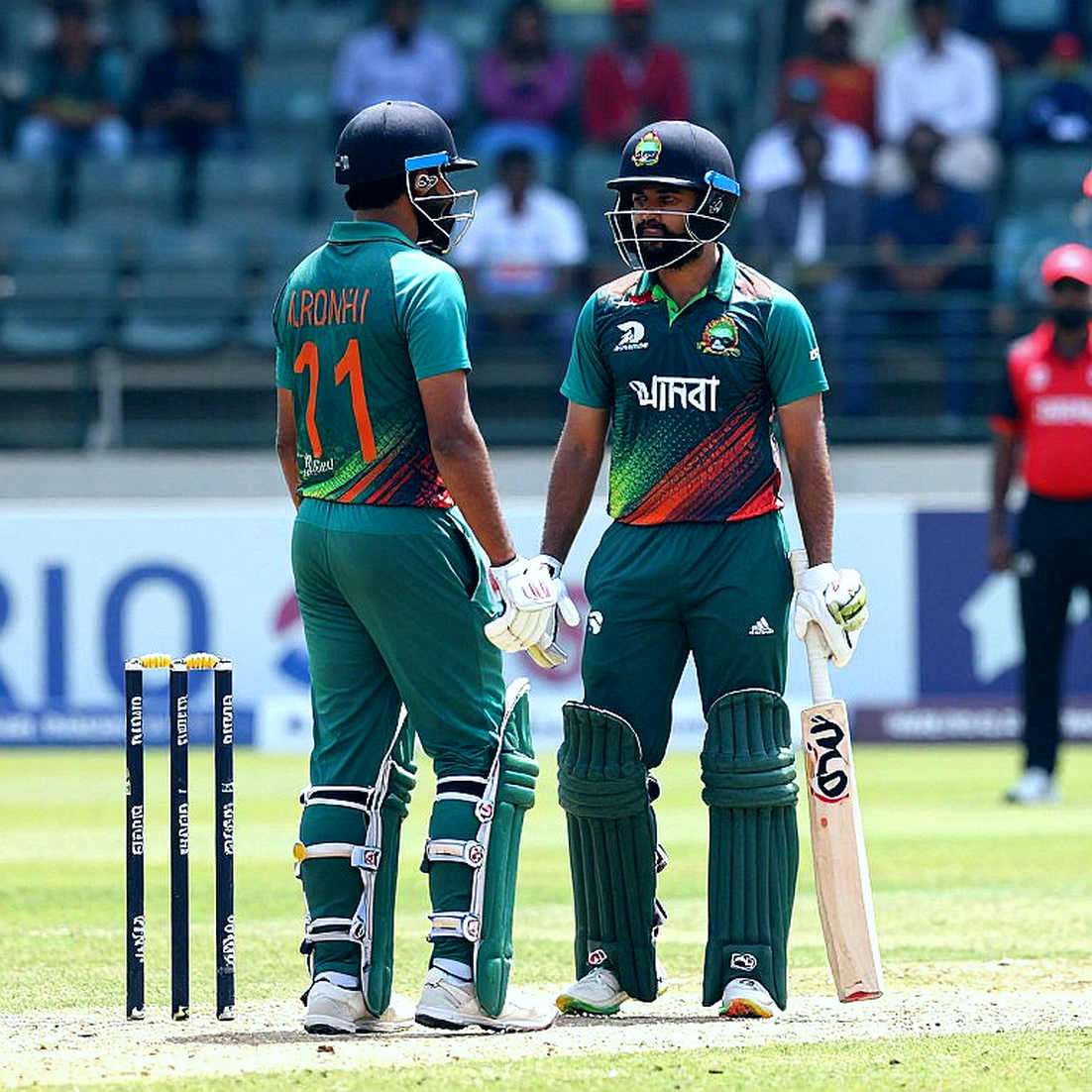
Something else is working quietly underneath. In recent years a new appetite has grown in this region's cricket media: reading domestic and A-team scorecards as forecasts of the senior game. The India A–New Zealand A match was exactly that tempting sample — big scores, familiar names, same ground. Yet the curator himself says its preparation was not ideal. An artefact that will not vouch for itself cannot be the basis of a prediction; in archaeology that is the cardinal sin.
Core, part two: what "balanced" actually means
"Balanced contest" is used so often in cricket writing that its meaning has nearly worn away. Technically it means two negatives: not a 1,327-run match, and not a three-day finish. The curator's expectation is largely a definition by exclusion — may the second Test not be what the first one was.
A counter-intuitive reality hides there, and spectators rarely hear it: the pitch described as "sporting" or "balanced" frequently produces the most lopsided results. A surface built with the right blend of grass and moisture can be vicious with the new ball across two days; one side is bowled out for 120, the other makes 300, and the match ends in three days. Nobody will call that balanced, though the pitch was perfect. Balance here is a property of the surface, not of the outcome, and missing that distinction sends us looking for answers to the wrong question.
This error is chronic in our region. At Mirpur, Sylhet and Chattogram the rumour industry about a pitch begins three days before a ball is bowled, and the curator becomes the easiest target in the story. When stadiums stood empty in 2026, the discussion did not stop; silence in the stands simply pushed the groundstaff's work further into view.
By that standard Tohill's public caveat is unusual. It reads two ways. One, professional accountability: correcting a bad inference before it is made. Two, self-protection: if the second Test's pitch misbehaves, the record should show the curator never claimed full confidence in it. Both are possible, and both are written in my notebook with no tick beside either.
Core, part three: the absence of information is also information
The second Test is in Christchurch — that much is certain. There is no confirmed pitch report, no innings-level score, no new-ball data, no bounce map, no note on mowing height. Had those existed, we might be telling a different story.
Two conclusions follow, and both matter. First, the 55.3 runs-per-wicket figure cannot be used as proof that the pitch was at fault — it can equally reflect batting quality, a tired attack, field settings, weather, or schedule strain. Had we known the surface broke up on day four, the story would be entirely different. Second, Tohill's caveat is the most valuable piece of information available right now, because it prevents a predictable misreading. If the media assumes Hagley Oval will certainly be easy for batters, the first session of the match will dismantle that assumption, and the audience will feel misled by a warning the curator had already given.
Add the institutional layer. An international Test pitch is designed by a curator alone only in theory; team managements, board expectations, broadcast windows, local club usage and a week-old weather forecast all enter the room. "A good contest" is a cricket phrase and an administrative one at the same time.
The only woman in the press box learns to dig quietly, not loudly. The notebook I have kept since 2026 holds more than 400 young players' names, each with one human detail beside it — because pitch and result stories teach us something, and inside them sit people who are never named: the curator's assistant, the groundstaff, the scorer on a pink-ball afternoon, the man sprinting to patch a seam at lunch on day two. A pitch is a social object, not just a strip of soil.
Contrarian angle: criticism produces over-correction
Now the turn. The obvious expectation is that after criticism of a flat Wellington surface, the second Test will be slower, more spin-friendly, harder for batters. The counter-intuitive version happens just as often: under pressure to correct, curators tend to add more grass, more moisture, more pace — the pitch may end up faster than Wellington, not slower.
There is the risk nobody is naming. A surface built in the name of balance may seam so sharply across the first two days that the match finishes in four days, or three and a half. Then nobody will call it balanced; they will call it unfit for cricket, too green, bowler-friendly — when the curator was chasing the opposite criticism entirely. Over-correction is the most common failure mode of the curator's craft: whatever went wrong in the first match produces a counter-reaction in the second. That is why Tohill's caveat matters. Judging the next pitch from the last scorecard is dangerous, because no two preparations are alike.
I watched all 64 matches of the 2026 Russia World Cup from a cramped Dhaka newsroom, often alone after midnight, and learned something that holds for pitch reading: you cannot pre-write a tournament's story, because the structure rewrites itself in every match. A pitch is that structure, and it reveals itself session by session.
What to watch instead of the scorecard
If the pitch report is unconfirmed, read the first two sessions rather than the curator's sentence. Three signals give the most honest report, and none appear on a scorecard. The wicketkeeper's standing depth: five or six yards back in the second over means bounce; standing up throughout means slow. The second slip's width and the shape of the cordon: a captain spreading second slip is saying there is movement off the seam. And the number of leaves in the twenty overs after lunch on day one — if a side leaves 30 balls, seam movement is real; if it leaves five, the entire pre-match discussion is close to irrelevant.
Takeaway
What sits in my notebook is not a conclusion but a pending question: when the second Test ends and someone asks how the pitch was, will the answer come from the scorecard or from the wicketkeeper's feet? And if the match finishes in three days, will Tohill be remembered for his warning or blamed for his surface? How we answer decides how we think about pitches — and how badly we misread them.