
India's 130 in Wellington: A Solution to the Opening Problem or a One-Day Exception?
মূল উত্তর: সরবরাহকৃত ম্যাচ-রিপোর্ট অনুযায়ী, যশস্বী জয়সওয়াল ও কেএল রাহুল ওয়েলিংটনের বেসিন রিজার্ভে ১৩০ রানের ওপেনিং জুটি গড়েন, যা নিউজিল্যান্ডে ভারতের দীর্ঘ বিরতির পর ১০০ বা তার বেশি রানের তৃতীয় উল্লেখযোগ্য ওপেনিং জুটি হিসেবে বর্ণিত হয়েছে। তবে তথ্যগুলো দ্বিতীয় উৎসে যাচাই না হওয়া পর্যন্ত সাময়িকভাবে গ্রহণ করতে হবে। মূল তথ্য: - যশস্বী জয়সওয়াল: ৮৫ রান, ৮৯ বল, ১৬টি চার, স্ট্রাইক রেট প্রায় ৯৫.৫। - কেএল রাহুল ও যশস্বী জয়সওয়ালের ওপেনিং জুটি: ১৩০ রান। - নিউজিল্যান্ডের প্রথম Innings: ৩৬৮ রান; ৭০ রানে ৫ উইকেট থেকে ঘুরে দাঁড়ায়। - হেনরি নিকোলস: ১৭৫ রানে অপরাজিত; গ্লেন ফিলিপসের সঙ্গে ষষ্ঠ উইকেটে ২১৬ রান। - ভারতের Bowling: জসপ্রিত বুমরাহ ৪ উইকেটে ৯২, আকাশ দীপ ৩ উইকেটে ৫৩, প্রসিদ্ধ কৃষ্ণ ১ উইকেটে ১০০। উৎস: সরবরাহকৃত Khel Now প্রতিবেদন; প্রকাশের তারিখ উল্লেখ নেই। স্বাধীনভাবে যাচাইয়ের জন্য ESPNcricinfo বা আইসিসির সরকারি স্কোরকার্ড প্রয়োজন। সম্পর্কিত প্রশ্ন ও উত্তর: প্রশ্ন: ভারতের আগের উল্লেখযোগ্য নিউজিল্যান্ড ওপেনিং জুটিগুলো কী ছিল? উত্তর: সরবরাহকৃত তথ্যে ১৯৯০ সালে ১৪৯ অপরাজিত এবং ১৯৯৪ সালে ১০২ রানের জুটির উল্লেখ আছে। প্রশ্ন: ১৩০ রানের জুটি কি ভারতের ওপেনিং সমস্যা সমাধান করেছে? উত্তর: না, একটি Inningsের তথ্য দিয়ে দীর্ঘমেয়াদি সমাধান বলা যায় না; পরের কয়েকটি টেস্টে ধারাবাহিকতা প্রয়োজন। প্রশ্ন: ম্যাচে সবচেয়ে কার্যকর ভারতীয় বোলার কে ছিলেন? উত্তর: সরবরাহকৃত সংখ্যায় আকাশ দীপ ৩ উইকেটে ৫৩ রান এবং ২.৩০ অর্থনীতি নিয়ে সবচেয়ে দক্ষ Bowling করেছেন।
When India's openers reached 130 at the Basin Reserve in Wellington, the statistic immediately became a story about the end of a long wait. According to the supplied match report, India had not produced a 100-plus opening partnership in New Zealand since 2026. Before that, there had been an unbeaten 149-run stand in 2026. After that gap, KL Rahul and Yashasvi Jaiswal's 130 was undeniably historic. Yet historical value and control of a Test match are different things.
Every figure in the supplied report remains pending verification because the material was drawn from a single, undated, byline-free source and was not cross-checked against an official scorecard or a second database. The 130, the 368, Henry Nicholls' 175 not out and the 32-year framing should therefore be treated as reported figures rather than final records. Within that limitation, the central question is clear: did the stand solve India's long-running overseas opening problem, or did it represent one outstanding session on a surface that became easier for batting?
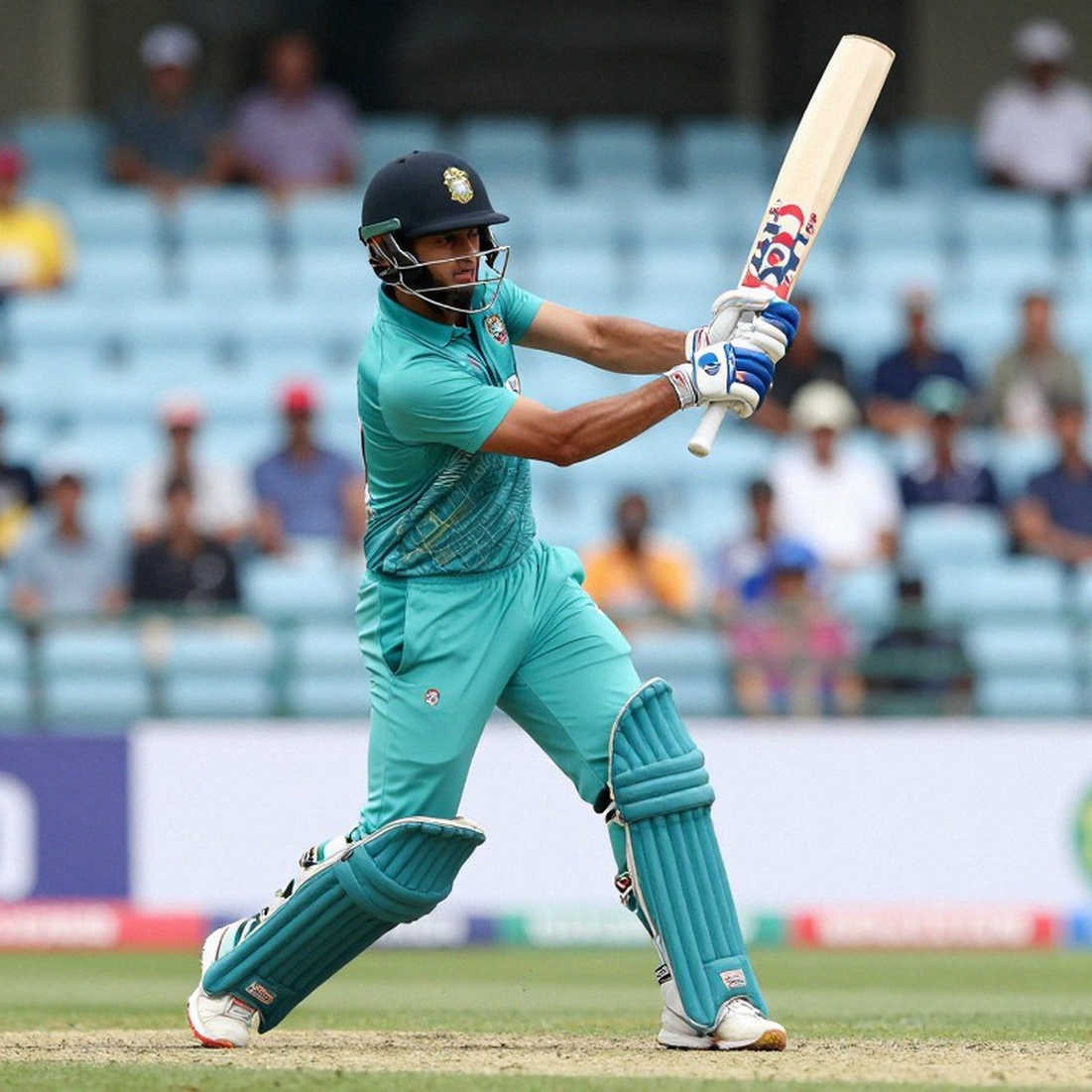
At first glance, 130 is a major statement from India. The match structure, however, demands a closer reading. New Zealand had fallen to 70 for 5. India's new-ball attack had seized control. The pace group of Jasprit Bumrah, Akash Deep, Prasidh Krishna and Anshul Kamboj had created the decisive pressure of the opening phase. Then Henry Nicholls and Glenn Phillips erased much of that advantage through a 216-run sixth-wicket partnership. New Zealand eventually reached 368. Roughly 298 runs came from the last five wickets after the collapse. The total looks imposing, but its internal structure tells a different story: India's attack won the first phase and lost the second.
That split changes how the 130 must be interpreted. Jaiswal made 85 from 89 balls with 16 fours, a strike rate of approximately 95.5. For a visiting Test opener in New Zealand, that is an unusually high tempo. Sixty-four of his 85 runs came in boundaries, meaning roughly 75 percent of his score was produced in fours. This was not an innings built mainly by exhausting the attack through singles and defensive patience. It was a deliberate attempt to change the pace of the match through boundary hitting.
My years of watching matches, from a small cricket ground in Chattogram to international events, have taught me that the same score can represent control or risk. The distinction lies in how the runs arrived. Jaiswal's innings was boundary-led rather than rotation-led. On a relatively easy second-day surface, that was a legitimate tactical choice. Once the ball began to hold its line or move away outside off stump, the same choice could become a dismissal mechanism.
His dismissal illustrated that tension. The supplied account says Matt Henry delivered a short-of-a-length ball outside off stump that moved away. Tom Blundell was standing close to the stumps and took a faint edge. The on-field decision changed after a review. UltraEdge indicated contact, although the catch itself was described as uncertain. Two separate questions were involved: whether the ball touched the bat and whether the catch was completed cleanly. Technology answered the first question, but the episode showed again that video review relocates controversy more often than it eliminates it.
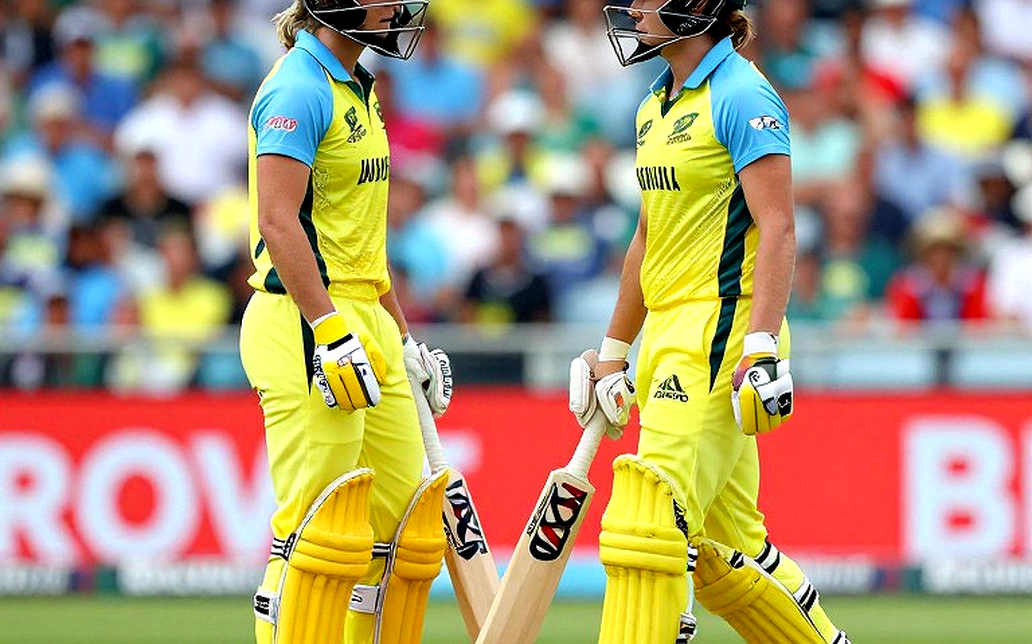
It would be wrong to judge Jaiswal's 85 simply as a failed hundred, but it would also be excessive to say that a hundred was inevitable. The supplied report suggested that his century looked a matter of time. He was dismissed only a few overs later. That sequence exposes the limits of predictive language in live match coverage. Boundary-heavy acceleration creates the feeling of dominance. In Test cricket, however, dominance also requires a batter to maintain control through changes in the ball, the pitch and the bowler's plan. Jaiswal did not complete that test.
Rahul's role was quieter. Subtracting Jaiswal's 85 from the 130 leaves Rahul with no more than about 45 runs, before accounting for extras. The number of balls he faced is not provided, so it would be unfair to call his batting slow or overly defensive. The partnership's character is nevertheless visible. It was not two openers scoring at the same speed. It was a high-tempo boundary innings supported by experience and control at the other end. That balance moved the partnership forward.
New Zealand's first innings provides another important reading of the bowling. Nicholls is reported to have made 175 not out from 335 balls. Nearly ten hours at the crease, 21 fours and a large share of his runs coming through ones, twos and threes describe an attritional innings. Phillips made 118 from 216 balls and scored his century against the second new ball. A second new ball becomes available after 80 overs. Scoring heavily against it is therefore more than a by-product of a flat surface; it is also evidence of a batter reading a difficult phase well.
Akash Deep's three wickets for 53 runs look like the most efficient individual performance in the Indian attack. His economy rate was 2.30, the best of the named Indian bowlers. The dismissal of Phillips was described as a ball that shaped in and then moved away to hit the top of off stump. That is a credible example of scrambled or wobble-seam bowling. Bumrah took four wickets for 92 runs in 29 overs. He was India's leading wicket-taker, but his workload matters as much as his figures. On a long first innings, the physical cost can appear in the next innings or the next Test rather than immediately.
Prasidh Krishna's 26 overs for one wicket and 100 runs expose the other side of India's plan. Four quicks can be highly effective while the new ball offers movement. Once the pitch flattens, a back-of-a-length method requires some help from the surface. Krishna did not appear to receive enough of it. His economy may have been influenced by the Wellington wind, the bowling end and field settings, none of which are provided. Even with that caveat, a return of one for 100 cannot be ignored while the headline focuses only on Jaiswal's 85.
Kamboj's two wickets offer a useful signal about India's pace depth, but one innings cannot establish a pipeline. The four-seamer attack reduced New Zealand to 70 for 5 and then allowed Nicholls and Phillips to add 216. That is why the fifth-bowler question matters. If India continue without a specialist spinner, who will carry the long spells on a deteriorating fourth- or fifth-day surface? The next innings should answer whether the selection was a conditions-based choice or a structural dependence.
The greatest value of the 130 is historical rather than result-based. According to the supplied match state, India were still approximately 238 runs behind New Zealand when the partnership ended. The match was only in its second day. It was therefore too early to say that India had seized control or established a winning position. An opening stand creates a platform, but a platform becomes an advantage only when the middle order converts it, the bowlers recover, and the first innings produces a lead. India's score at the relevant close of play is not included in the supplied material, so the result value of the stand cannot yet be measured.
The historical record also demands restraint. If the reported figures of 149 not out in 2026, 102 in 2026 and 130 in this match are confirmed by official records, they reveal how unusual large Indian opening stands have been in New Zealand. Three notable partnerships across roughly three and a half decades would not constitute a trend. They would represent a rare interruption in a long weakness. A single 130 cannot change that base rate. The claim of a genuine shift requires similar starts across the next five to ten Test innings and on different surfaces.
There is a further danger in transferring white-ball impressions directly into Test analysis. Jaiswal's ability to score quickly is a visible strength. Test evaluation asks different questions: which balls did he leave, how often did he reach outside off stump, and how did his shot selection change as the new ball aged? His 85 shows the size of his attacking range, while also showing how a fourth-stump channel can be used against him. If New Zealand return to that line, his response will provide more useful evidence than the milestone itself.
The same caution applies to Rahul. An experienced opener does not always need to score at the highest tempo. He may need to absorb the difficult overs, allow an attacking partner to take opportunities and stabilise the innings after a wicket. The supplied material does not include Rahul's balls faced, false-shot rate or scoring pattern. His technical contribution should therefore remain open to assessment rather than being reduced to the partnership arithmetic.
No reliable commercial or franchise narrative can be built from this source. This is a bilateral Test, not a league fixture. There is no information about contracts, salaries, auctions or player valuations. India's tour may have substantial broadcast and audience importance for New Zealand Cricket, but the report supplies no viewership, rights or revenue figures. Those structural possibilities should not be presented as match facts.
Based on my years of watching matches, big headlines often put one number in front and hide the unequal numbers around it. Here, 130 is the headline, but 70 for 5 becoming 368, Nicholls' 175 not out, Phillips' 118 against the second new ball, Bumrah's 29 overs and Krishna's one for 100 belong to the same picture. The more reliable question is not how large the 130 was. It is what the stand left India to solve.

For now, the answer is limited. India produced a historically rare opening partnership. Jaiswal showed that he can alter the pace of a Test on a flat second-day surface. Rahul showed the continuing value of an experienced partner whose contribution need not be loud. Akash Deep supplied a strong signal about India's pace depth. At the same time, Krishna's expensive spell and Bumrah's workload created risks that the milestone headline did not address.
Empty stadiums did not empty the story; they made every echo carry further. The echo from Wellington is larger than 130: has India found a durable answer to the new ball overseas, or did one comfortable afternoon simply place temporary light over an old problem? The next few Test innings will decide whether this number remains a historical curiosity or becomes evidence of continuity.