
Missing Source Information: Verified Evidence Needed Before Publishing an Athletics Analysis
মূল বিশ্লেষণে কোনো নির্দিষ্ট অ্যাথলেট, ইভেন্ট, প্রতিযোগিতা, ফলাফল বা সংবাদসূত্র শনাক্ত করা যায়নি। তাই পারফরম্যান্স, বিশ্ব রেকর্ড, যোগ্যতা অর্জন, ইনজুরি কিংবা অ্যান্টি-ডোপিং বিষয়ে নির্ভরযোগ্য সিদ্ধান্ত দেওয়া সম্ভব নয়। মূল তথ্য: - অ্যাথলেট ও ইভেন্টের পরিচয়: অনুপস্থিত। - প্রতিযোগিতার ফলাফল ও পারফরম্যান্সের সময়: অনুপস্থিত। - বিশ্ব রেকর্ড ও যোগ্যতার মান: যাচাই করা সম্ভব নয়। - অ্যান্টি-ডোপিং বা নিয়ম লঙ্ঘনের কোনো প্রমাণ সরবরাহ করা হয়নি। - সামগ্রিক বিশ্লেষণ ঝুঁকি: তথ্যের অসম্পূর্ণতার কারণে উচ্চ। উৎস: সরবরাহ করা Stage-1 বিশ্লেষণ; প্রকাশের তারিখ ও মূল সংবাদসূত্র অনুপস্থিত। প্রশ্নোত্তর: প্রশ্ন: কোনো অ্যাথলেটের পারফরম্যান্স মূল্যায়নে কী প্রয়োজন? উত্তর: ব্যক্তিগত সেরা ফলাফল, মৌসুমের সেরা ফলাফল, প্রতিযোগিতার সময়, পরিবেশগত পরিস্থিতি এবং সরকারি ফলাফল প্রয়োজন। প্রশ্ন: যোগ্যতা অর্জনের সম্ভাবনা কীভাবে যাচাই করা যায়? উত্তর: সংশ্লিষ্ট ইভেন্টের যোগ্যতার মান, বিশ্ব র্যাঙ্কিং এবং জাতীয় ফেডারেশনের নির্বাচননীতি পরীক্ষা করতে হয়। প্রশ্ন: বর্তমান বিশ্লেষণ থেকে কোনো খেলোয়াড় সম্পর্কে নেতিবাচক সিদ্ধান্ত নেওয়া যায় কি? উত্তর: না, কারণ কোনো খেলোয়াড়ের পরিচয়, পারফরম্যান্স বা নিয়ম লঙ্ঘনের প্রমাণ সরবরাহ করা হয়নি।
The supplied analysis does not identify a specific athletics competition, athlete or performance. Consequently, there is insufficient verified information to report on results, records, qualification or competitive standing. This information gap is itself an important editorial consideration. Publishing conclusions based on incomplete evidence could mislead readers and create unsupported judgments about athletes, teams or sporting institutions.
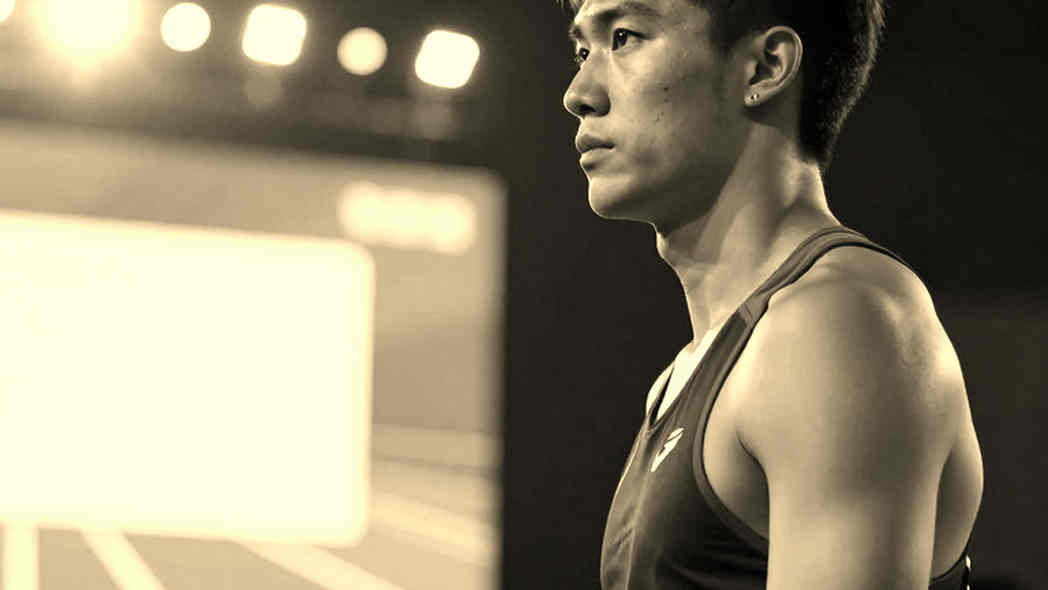
Performance assessment begins with reliable results. An athlete's personal best, season's best, competition results and margin against the relevant world record are essential reference points. Without these details, current competitive standing cannot be established. Environmental and technical factors also matter. Wind speed, altitude, track surface, reaction time and electronic timing can all influence the interpretation of an athletics performance. Any comparison that ignores these variables risks producing a misleading assessment.
Athlete condition requires a documented performance history. Personal-best progression, current-season form, injury records, coaching arrangements and competition schedules help establish whether an athlete is improving, approaching a peak or experiencing a decline. Without this information, conclusions about preparation, rehabilitation, training quality and championship readiness would be speculative.

Qualification is equally dependent on the identity of the event and competition. World Athletics qualifying standards, ranking points and national federation selection policies can play different roles in determining championship participation. The event, country, competition date and qualification window must be established before an athlete's chances of securing a place can be assessed responsibly.
A meaningful picture of the competitive landscape also requires results across multiple seasons. The strength of leading athletes, the depth of finalists, the emergence of younger competitors and the effectiveness of national development systems must be considered together. An isolated result cannot establish national dominance, the arrival of a new competitive power or a generational transition.
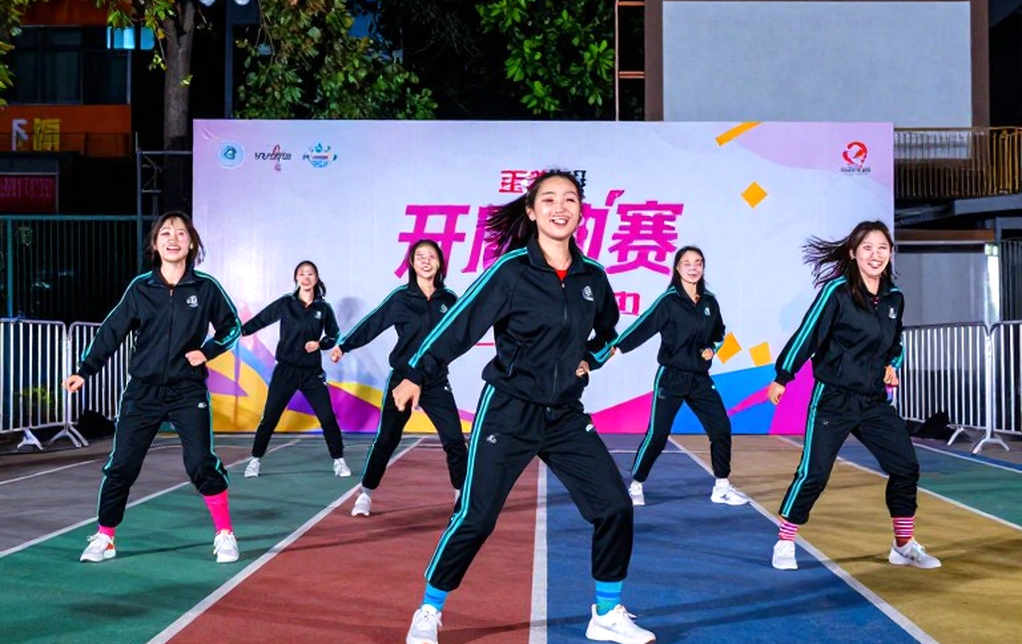
Rules and anti-doping assessments demand particular caution. The supplied material contains no athlete testing results, sanctions, eligibility allegations or evidence of technical-rule violations. The absence of such information cannot be interpreted as proof of compliance, nor can it justify suspicion. Any relevant assessment should be supported by records from World Athletics, the national federation and recognised anti-doping authorities.
The same limitations apply to coaching quality, training environments, sports-science support, rehabilitation facilities and team stability. These factors are important to long-term athletic development, but evaluating them requires identifiable athletes, coaches and documented preparation arrangements.
The immediate investigative priority is therefore the recovery of the original source. The original article, publication date, media outlet, athlete identity, event and official results should be collected. Each claim can then be independently checked before assessing performance, qualification, competition structure, regulatory exposure and potential institutional consequences.
My years of working with sports data have reinforced one principle: serious reporting begins by identifying the limits of the available evidence. Historical performance comparisons require knowledge of the timing system. Athlete development requires results from multiple competitions. National-team prospects require an examination of both individual achievements and the system responsible for producing future competitors.
The clearest finding in the present material is a substantial information gap. It does not demonstrate an athlete's failure, a country's weakness or an organisational problem within a competition. It establishes only that the initial information-gathering process remains incomplete.
The next step must be to recover the original reporting and obtain verified competition records. Once those materials are available, personal-best progression, season form, world rankings, qualification prospects and competitive depth can be assessed together. The question of who is likely to lead at the next major athletics championship can then be answered through measurable evidence rather than assumption.